


The
Gilded Serpent presents...
Staying
Healthy While Traveling
by Shira
For many of us who love Middle Eastern and North African dance, travel is part of our lives. Whether we vacation in Turkey as part of a tour group, attend the annual Ahlan wa Sahlan Festival in Egypt, haul boxes of supplies to sell at festivals, attend weeklong dance seminars, or teach workshops around the world, we often find ourselves living out of suitcases. When all goes well, the travel can be a very rewarding experience. But if we get sick, it can be difficult to cope in a strange city or even a foreign country.
Here are some tips
to stay as healthy as possible so you can fully enjoy your travels,
whether they are once-in-a-lifetime dream vacations, business trips,
or just plain fun. I have particularly focused on dance-oriented destinations
such as
What Can Go Wrong
- Jet lag can leave you feeling fatigued - too drained to dance, sightsee, or vend.
- The stress on your immune system and the exposure to many sick people in a confined space en route can leave you vulnerable to catching a cold or other illness.
- Air quality issues in cities and countries different from your own may make you more vulnerable to asthma attacks if you are susceptible.
- Changes in diet and exposure to bacteria can cause diarrhea.
Of course, these issues aren't the only things that can go wrong. The same health issues that can make you sick at home can also arise on the road. But the above problems are particularly common for travelers.
Beating Jet Lag
Different people have different definitions of jet lag, but everyone agrees it's the physical discomfort that results from traveling long distances via airplane. Travelers on short trips generally don't experience this problem, but when we're flying 5 hours or longer we start to feel tired, drained of energy, and generally out of sorts.
Originally, this problem was attributed to the body's difficulty adapting to a new time zone, but today savvy travelers know that there are actually several issues to consider:
- Time zone adjustment
- Dehydration
- Lack of exercise
Dehydration
One significant
cause of discomfort can be dehydration. It leads to dizziness, fatigue,
muscle weakness or cramps, wrinkly skin, and headaches. In today's
difficult economy, few airlines serve sufficient beverages to provide
our bodies with the fluid they need to function well. In addition, the
coffee, sodas, or cocktails that we drink in airports or on board may
lead us to believe we are consuming enough fluid, when in fact caffeine
and alcohol make the problem worse. In addition, the air on board airplanes
is very dry, and sucks the moisture out of our skin, mouths, and nasal
membranes.
To prevent dehydration, when I travel I take my own bottled water on board the airplane, and I try to drink at least the equivalent of one 8-ounce glass of water per hour of flight time.
I also avoid alcoholic drinks and caffeine-containing drinks at airports and on board - if I want something more interesting than water to drink, I opt for fruit juice, herbal tea, or milk. On long flights, I sometimes also soak a washcloth in hot water and lay it over my face for a few minutes to bring moisture to my skin and nasal membranes.
 Time
Zone Adjustments
Time
Zone Adjustments
Another
source of discomfort can be time zone shifts. I have discovered that
if I travel only one or two time zones, my body adapts without much
trouble. However, if I travel three or more time zones, then my cycle
for eating and sleeping is disrupted. Over my years of travel, I have
developed several techniques for adjusting my body to a new time zone.
One technique is to use the hormone melatonin, which regulates your body's response to light and dark. Before leaving for your trip, determine what time of day in your home city matches bedtime at your destination, then two days before you are scheduled to leave on your trip, take ½ a melatonin pill at what would be bedtime in your destination city. The next day, take the other half at the same time. On the day of travel itself, take another half, and if you have a long airline flight, you may need to take one more on the airplane.
For example, let's say you live in Chicago and you normally like to go to bed at 11 p.m. If you're planning a trip to Cairo, there's an 8-hour difference in time, so when it's 3:00 p.m. in Chicago, it's 11:00 p.m. in Cairo, and you would take your pre-travel melatonin doses at 3:00 p.m. in the local Chicago time zone.
If you arrive at your destination during daylight, spend some time outdoors and soak up the sunlight.
The spectrum of the natural sunlight will help your body reset its internal rhythms to the new location. Try to discipline yourself to be up and moving around through the daylight hours, without a nap. Exercise may help, too.
At bedtime, take one full melatonin pill.
Remember that both alcohol and caffeine can cause difficulty sleeping. Avoid coffee, sodas, and alcoholic beverages your first two days at your destination.
 There
are several additional tricks you can try to ease your sleep cycle to
a different time zone:
There
are several additional tricks you can try to ease your sleep cycle to
a different time zone:
- At supper time, eat carbohydrates such as pasta and bread, and minimize protein.
- Take with you an immersion heater for boiling a cup of hot water and some herbal tea designed for inducing sleep, such as tea containing chamomile or valerian. Brew yourself a cup of this tea before going to bed.
- Take a small spray bottle of relaxation-inducing aromatherapy scent such as lavender and spray a quick squirt on your pillow before crawling into bed.
- Try taking a hot bath or shower before bed. The humidity will help your body recover from the dehydrating effects of airplane conditions, and the heat will help you relax. A bit of scented bath oil or powder can also help prepare you for sleep. Lavender is particularly helpful.
- Avoid studying your travel guide to plan your sightseeing or opening your computer to do work at bedtime. Instead, take a relaxing novel to read.
- Take a portable CD or tape player with you and listen to relaxing music or sounds of nature. I use a travel alarm from The Sharper Image with a setting that plays soothing sounds for sleep, such as thunderstorm or crackling fire.
- Noise-canceling headphones may make it easier for you to fall asleep on an airplane or in a hotel room in a noisy neighborhood.
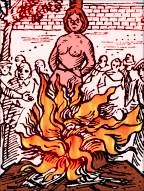 Shira and Gilded Serpent are not prescribing! Women have been burned for less. Please consult your doctor before taking any medications! |
Through following this process, you should be able to fall asleep easily your first night, and wake up feeling refreshed the next morning. Begin your day with a high protein breakfast: meat, cheese, milk, yogurt, eggs, and high-protein vegetables such as soy. Spend time outdoors in the morning - the natural daylight will help your body adjust further to the new time zone. An early-morning walk will help you feel more alert, both from the sunlight and also from the increased oxygen that the exercise drives throughout your body.
Your second night at your destination, you may or may not need one more melatonin pill to help you fall asleep at bedtime. By the third night, your body should be adjusted to the light/dark cycle of your destination. When preparing to return home, just repeat this process.
 Exercise
Traveling
often involves a large amount of sitting still: sitting on the train
or airplane, sitting in lounges waiting for departure, sitting in buses
to your hotel. The lack of exercise can lead to discomfort, and can
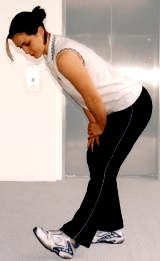
even be dangerous. Look for opportunities to stretch your legs. If
you have a couple of hours between flights, walk up and down the length
of the airport instead of sitting in the lounge. While on board the
airplane, walk to the galley, restroom, or exit row area and do some
gentle exercises to stimulate circulation. Exercise will drive oxygen
throughout your body, reduce the risk of blood pooling in your legs
from sitting still too long, and invigorate you.
Other Products
Travel
supply stores may offer other products for combating jet lag. Some may
be effective, some not. For example, on one of my trips to
Another product is a visor that supposedly produces light with the spectrum of natural sunlight. Although I haven't tried one of these myself, I've spoken to people who have and their feedback didn't inspire me to spend money on one of my own.
Staying Well
The Most Important Preventive
Measure
The most
powerful thing you can do to stay healthy is to ensure you get plenty
of sleep before and during your trip.
Often, people preparing for trips stay up late several nights in a row to pack, wrap up pending projects for their jobs, or put their home life in order before leaving town. By the time they board the airplane, they are already exhausted from late nights and stress, and their immune systems are vulnerable.
If you don't have much experience with travel, make a preparation checklist ahead of time: passport, stop newspaper/mail delivery, list of items to pack, etc. Begin performing these tasks several weeks before your Big Trip. Make arrangements for your pet-sitter. Get your visa if you need one. Get cash or travelers checks. All of these things can be done weeks in advance, and completing them early will reduce the amount of stress you are likely to feel when the week leading up to your trip arrives.
Bolster Your Immune System
You may
also want to fortify your body before the trip with dietary supplements
that support optimal immune system function. The week before the trip,
take a daily multivitamin that delivers 100% recommended daily dose
of vitamin C, vitamin E, copper, and other helpful nutrients. Continue
taking this daily throughout the trip.
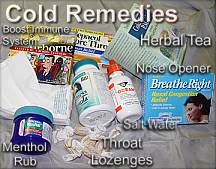
The day of the trip, you may want to take supplements containing echinacea and zinc every few hours. When I travel, I take a supplement called Airborne which contains Vitamin C, echinacea, zinc, and other nutrients every three hours beginning with the day I actually fly, and continuing the day after. (See www.airbornehealth.com for more information about Airborne.) However, you shouldn't take such large doses of zinc any more than a couple of days in a row.
 Keep
Your Nasal Passages Moist
Keep
Your Nasal Passages Moist
Airplane
air can dry the nasal passages, which in turn reduces their ability
to block germs from entering your body. Consider taking a spray bottle
of salt water with you on the airplane and spraying it into your nose
about once per hour to keep your mucous membranes moist. I use a brand
name called Ocean, but you could mix your own at home.
What Can Go Wrong?
Air Quality
If you
are sensitive to asthma or other breathing issues, be careful to take
appropriate medications along on the trip. Your destination may have
air quality very different from your home.
In some developing
countries, anti-pollution laws are much less stringent than they are
in places like the
Even within the
Different places have different public opinions and laws regarding tobacco. In California, it is illegal to smoke inside restaurants, office buildings, and other public places, but elsewhere smoking may be very common.
Finally, some places like Cairo experience a large amount of grit in the air due to the fact that the desert is very near, and winds carry the sand throughout the neighboring city.
All of these factors mean that people with sensitive lungs need to ensure they pack any appropriate medications, inhalers, masks, or other gear.
 Traveler's
Diarrhea
Traveler's
Diarrhea
Diarrhea
is a common problem for travelers, especially when visiting developing
countries. Avoid drinking tap water at your destination. Use bottled
water whenever possible.
Even the most sanitary municipal water supplies contain bacteria which are harmless to locals whose bodies have adapted to them. As a visitor, you lack the necessary immunity and you are likely to develop diarrhea from the local water.
For the same reason, avoid ice, which is typically made from tap water. Avoid fresh raw produce such lettuce which may have been washed in local tap water. Eat only cooked foods, or items such as bananas which are peeled.
Research into traveler's diarrhea has revealed that another cause can be food poisoning. Different countries have different laws regulating their restaurant industries, and different levels of enforcement. If you are visiting a developing country, you'll want to take appropriate precautions to reduce your risk.
Think about which foods might hold a higher risk of food poisoning than others, and avoid them. Casseroles are often risky because they are prepared early in the day and may be left sitting on a counter, waiting to be reheated. Meats need to be thoroughly cooked - rare hamburgers are a bad idea. An antibiotic such as Cipro or Doxycycline can help you recover from diarrhea caused by food poisoning or bad water.
A change in diet can also cause diarrhea. For example, you might normally eat a low-fat diet at home, but while traveling you may want to sample local meats and cheeses with high fat content. This sort of a change in your diet can trigger a diarrhea attack. Try to adjust gradually over a few days, rather than abruptly plunging into local cuisine. If you think this may be what caused your attack, try an anti-diarrhea product such as Imodium, Pepto-Bismol, or Kao-Pectate.
If you do succumb to diarrhea, take care to drink as much water as you can. Diarrhea dehydrates the body, which leads to other health problems. Avoid drinks containing caffeine and alcohol, because these cause further dehydration.
Diarrhea also drains electrolytes (salt, potassium) out of the body, which can leave your muscles feeling weak. Take either dietary supplements containing potassium, or eat potassium-rich foods such as bananas.
Once your digestive system has been disrupted by diarrhea, wait a day or so before eating foods such as red meat or cheese that are high in fat content - a sensitive intestine will react angrily to fatty foods with further diarrhea attacks and prolong the problem. Here again, an anti-diarrhea product such as Imodium can help.
 Don't
Let a Cold Catch You
Don't
Let a Cold Catch You
Take along
either anti-bacterial hand wipes or a small bottle of anti-bacterial
liquid such as Purelle, and use it frequently. On the airplane,
use it before you eat or drink anything, and after you use the washroom.
Use a tissue over the doorknob when leaving a bathroom when in an airport,
train station, or on board. When you reach your destination, remember
to wash your hands before every meal, even if you normally wouldn't
do that at home. Hotels, airports, cabs, buses, trains, and restaurants
all bring you into contact with masses of people, many of whom may be
at the contagious phase of an illness.
To the best of your
ability, stay away from any fellow travelers who appear to be coughing
and sneezing. Some studies have shown that a passenger sitting five
rows away from you on an airplane can produce enough germs to put you
at risk of catching the cold. Escape if you can, even if it's simply
to go stand in the galley or near the bathroom for a while.
Some people even take health masks on airplanes to put over their noses and mouths while traveling. It may look stupid, but it's better than being sick on your dream vacation!
Even at home, salad bars and buffets pose a risk of catching a cold. Other people may sneeze and cough on the food as they fill their plates, and leave germs from their hands on the serving utensils. While traveling, it may be advisable to proceed with caution when eating at salad bars and buffets. It's better to eat food that has been freshly placed on the counter, rather than that from a dish that is nearly empty. And remember that the raw vegetables on a salad bar have probably been washed with tap water!
Motion Sickness
If you
frequently suffer from motion sickness, you may want to take along your
favorite preventions. People often forget that motion sickness can
attack when you are sitting on a tour bus for sightseeing or enjoying
a cruise, and it's more likely to hit you when you're tired than when
you're fully rested. If you take a dance workshop in a topic such as
veil that involves spinning, that poses an
additional risk of motion sickness
I like to use ginger to prevent motion sickness - either in a tea or in candied form from the spice aisle of a grocery store. Pills of powdered ginger also exist. Other people prefer acupressure wristbands or pills such as Dramamine.
 Muscle
& Joint Pain
Muscle
& Joint Pain
If you
will be taking intensive dance classes at your destination, don't forget
to plan ahead to avoid muscle and joint pain.
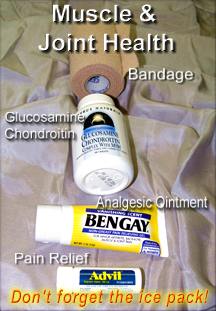
If you're not used to doing much exercise all at once, multi-hour workshops can stress your knees and ankles. Two weeks before you go, begin taking glucosamine chondroitin tablets twice per day to fortify your joints for the expected activity.
Ballet-style legwarmers will keep your muscles from cramping when you initially begin to exercise and reduce your risk of injury. Warm up on your own before the workshop actually begins, because many instructors don't include warm-ups as part of their class and lack of a warm-up can lead to injury.
If you need knee braces or wraps, use them. Constantly pay attention to your posture. Wear socks or shoes on your feet to avoid injury from beads falling off other people's hip scarves.
"Just in Case"
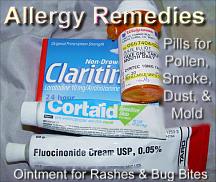
Remember to pack your favorite supplies for battling illness: Imodium (or a similar product) for diarrhea, antihistamine for allergies and mosquito bites, inhaler for asthma, or cough syrups, decongestants, and other substances for battling colds. An ample supply of tissues for blowing your nose is also valuable.
Don't Expect to Find It
There
It's never
fun to explore an unfamiliar city in search of a drugstore when you're
feeling miserable with an illness, and if you're traveling to another
country there's not even any guarantee you'll be able to find your favorite
products there. For example, tissues for blowing your nose in
Antibiotics
Before
leaving on your trip, ask your doctor to provide you with prescriptions
for antibiotics to help you fight the common travelers' illnesses. My
doctor typically provides me with two: one for diarrhea, and the other
for strep throat. Fill these before you leave for your trip, because
it's unpleasant to look for a pharmacy in a strange city when you're
sick and it may be difficult to obtain insurance reimbursement if you
make your purchase in a foreign country.
Ask your pharmacist whether there are any issues you should be aware of when taking these medications. For example, one medication frequently prescribed for travelers' diarrhea is Doxycyline, but people taking this medication need to be extra careful to avoid excess sun exposure. It can make the skin much more sensitive to sunburn. In addition to consulting with the pharmacist, I generally also read the package information for myself that warns of risks.
Don't actually use these items unless you indeed start to develop symptoms, because overusing antibiotic can cause other health problems.
Stomach & Intestine
Health
If you
have any history of heartburn or gas, pack appropriate antacids for
your condition. Unfamiliar foods may irritate a sensitive stomach. A
product such as Zantac can prevent excess stomach acid, and Tums can help recover in case it happens anyway.
A week before the trip, take daily doses of acidopholus to promote growth of healthful bacteria in your intestines. Or, alternatively you can eat yogurt daily. These healthful bacteria will help your body fight foreign bacteria once you arrive at your destination. Continue taking the acidopholus throughout the trip.
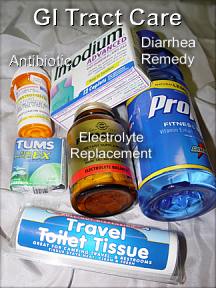
As mentioned above, take along an antibiotic such as Doxycycline or Cipro to use in case you do get traveler's diarrhea. You may also want to take a supply of potassium pills or other electrolyte restoratives to help recover muscle strength after an attack, and an anti-diarrhea product such as Imodium, Kao-Pectate, or Pepto-Bismol to help restore normal function after the bacteria have been conquered. Some people think charcoal capsules, which are available at health food stores, help filter out harmful poisons and provide relief.
Bring your own toilet
paper. In Muslim countries such as
Many luggage stores sell special toilet paper for travelers that is wrapped much more compactly than the cardboard rolls sold for home use.
Checklist! |
|
| For Jet Lag Adaptation |
-Melatonin |
| For Prevention |
-Vitamins
(C, E, copper) |
| For Treatment |
-First
aid kit |
Understand Your Health
Insurance
Before
you leave home, research what kind of coverage your health insurance
offers while at your destination. If you have a medical emergency, will
it cover care while there and medical transport home? Take along your
health insurance card and information on how to invoke emergency coverage
while traveling.
If you don't normally have health insurance, consider buying special trip insurance to cover you just for this one trip.
Imagine the hotel room expenses you could incur if you are too sick to board an airplane to travel home. Health emergencies are always difficult to handle, but they're even worse when you're away from home.
Pain Remedies
You may
also want to take along your favorite pain remedies - I take ibuprofen
as an anti-inflammatory medication for my bursitis. For sore muscles,
you may want to consider an analgesic rub such as Ben-Gay.
A hot bath can also help.
If you have any trouble with migraines, take along your medication.
If you sprain an ankle, place ice on it immediately and keep ice on it the first 24-48 hours to prevent swelling.
Helpful Foods
Certain
foods can help recover from some illnesses. When you're traveling in
a foreign country, these may be easier to find than drugstore products.
Garlic and honey are both natural antibiotics, and are available in
most countries where you are likely to travel. Garlic is particularly
helpful if you eat it raw and mince it because the oil contains the
effective ingredients.
Bananas are a potassium-rich food which can help recover from the muscle weakness that often follows diarrhea attacks. Such attacks deplete the levels of potassium and other electrolytes in the system that are required for muscle function.
If you frequently suffer from bladder infections, you may want to take dried cranberries along because they contain a substance that prevents bacteria from adhering to the walls of the bladder.
Summary
My recommendations are based on my own personal
experiences with international travel, including trips to Egypt and
Turkey. But I am not a doctor!
Before moving forward with any of my suggestions, I would urge you to discuss your own personal situation with your health care professional.
Please refer to my packing checklist above for a summary of the items I have recommended throughout this article. I realize that some people prefer natural remedies while others prefer to use products from drugstores, so I have tried to recommend some of each. Use the ones that are compatible with the way you prefer to manage your own health, and ignore the rest. Only you and your physician can decide which are right for you.
Have
a comment? Send us a letter!
Check the "Letters to the Editor"
for other possible viewpoints!
Ready
for more?
more from Najia-
12-24-03 Dancing Inside Out
The
state of Oriental Dance in America, as it is most often seen today in
festivals and restaurants, is at a crossroads of change from which there
will be no way to return.
12-2-03
Advice from a Temporal
Dance Oracle
These dance related
disputes become overpowering
10-28-03
Raks Assaya Instruction
at Najia’s Studio
Demonstrated by Rawan El-Mouzayen (Arab-American, age 3)
12-16-03
Egypt 2003 by Zahraa
The
winner was also the worst dressed dancer. Her name is Ronda and she
has the reputation of being too cheap to invest in a quality costume.
12-12-03
Belly dancing in cyberspace –
The LiveJournal Belly dancing Community by Lilly
It is analogous to keeping a public diary, and asking people to comment
on it.


Cover page, Contents, Calendar Comics Bazaar About Us Letters to the Editor Ad Guidelines Submission Guidelines