Gilded Serpent presents...

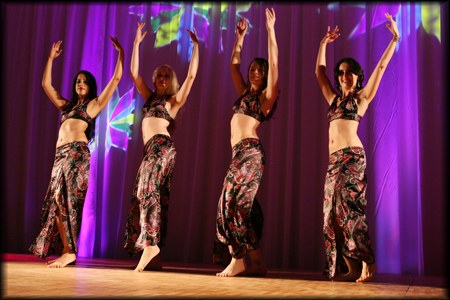
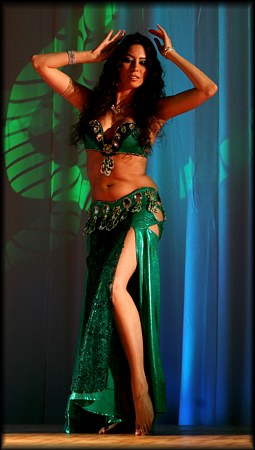
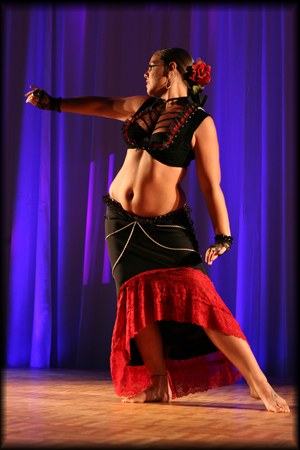
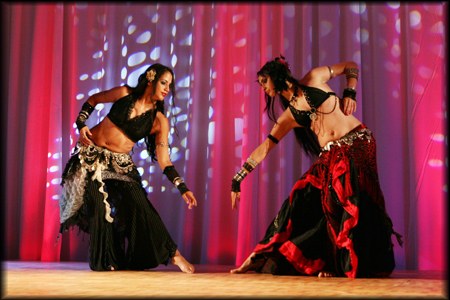
Welcome to the 2nd Miami Bellydance Convention

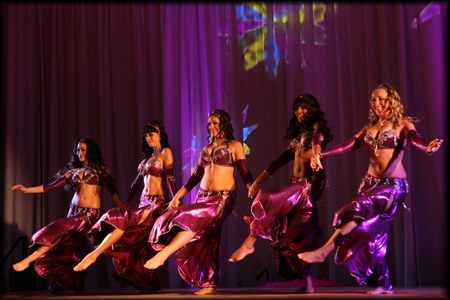
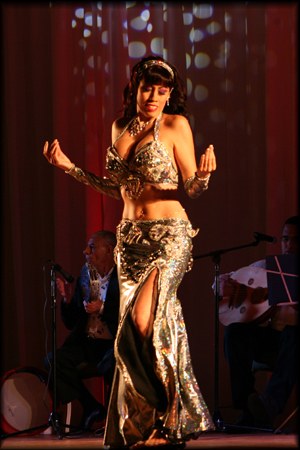
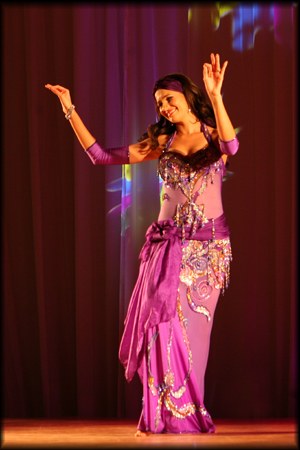
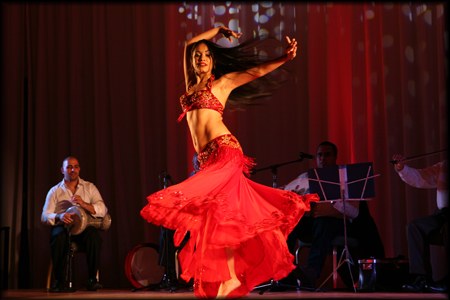
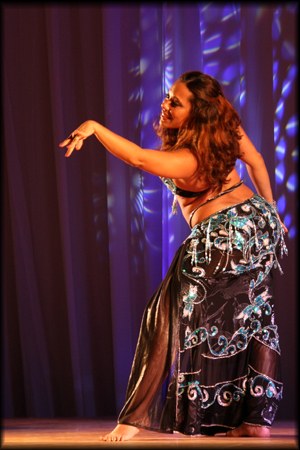
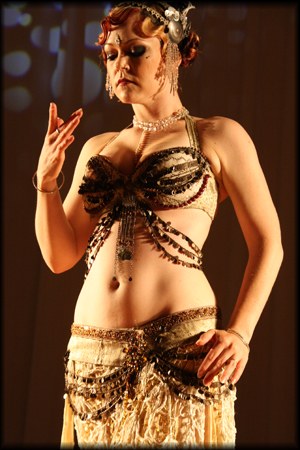
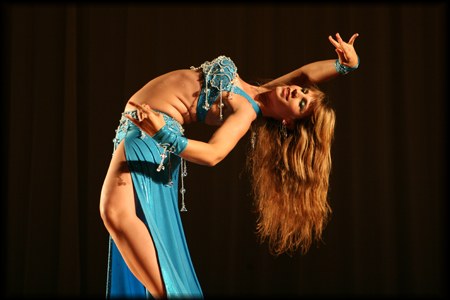
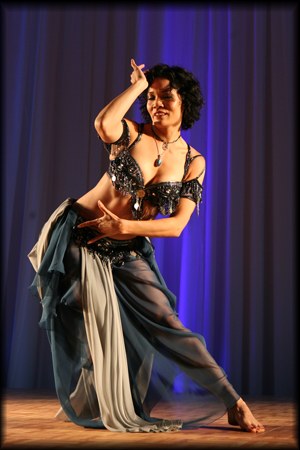
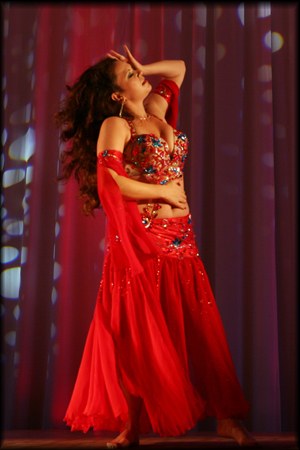
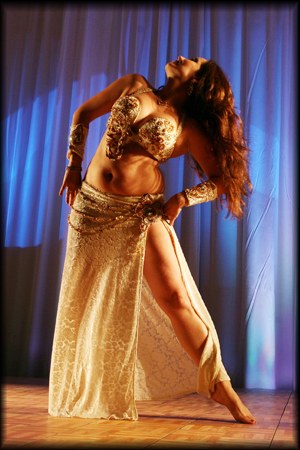
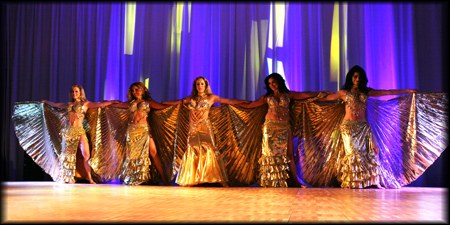
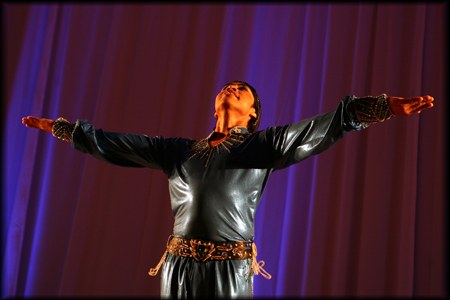
A Selection of Photos by Denise Marino

Intercontinental Hotel in Miami, Florida, on September 4- 6, 2009

~Winners~~ Teachers~~ Performers~


Winners

Valerick Molinary
of Puerto Rico
1st place winner of the Professional Category

Valerick-Puerto Rico

Masline Joseph
of Florida
1st place winner of the Up-coming Star Category

Masline-FL

Wa Nour Al Ayun
from Miami
1st place 2009 Miami Bellydance Competition Group Category

Wa Nour Al Ayun-FL

Isis San Miguel
of Miami
2nd place Professional Category

Isis San Miguel

Mayra Castro
of Miami
2nd place winner Up-coming Star Category

Mayra Castro-Miami

Omaris Saneaux
of Tampa, Florida
3rd place professional category

Omaris Saneaux-Fl

Marlene Germosen
3rd place winner up-coming star category

MArlene 3rd place Up Coming Star

Teachers

Saida-Argentina

Saida
of Argentina

Mira Betz-CA

Mira Betz
of San Francisco, CA

Mariyah of New York

Mariyah
of New York

Ava Fleming-AZ

Ava Fleming
of Phoenix , Arizona

Fereshteh of the UK

Fereshteh
of the UK

Nathalie

Nathalie
of Miami

Lacey

Lacey Sanchez
Orlando, Florida

Roshana Nofret-Miami,Fl

Roshana Nofret
of Miami, Florida

Ansuya of FLorida
Ansuya
of Florida

Tamra-henna
Tamra-henna
of California

Madrina
Madrina
of Tampa

Bozenka
Bozenka
of Miami

Yamil
Yamil Annum
of Argentina

Various Performers

Eugenia of Florida
Eugenia
of Florida

Karen Sun Ray-Tampa, Fl

Karen Sun Ray
of Tampa,Fl

Mambo Nita-Fl

Mambo Nita
of Florida

Masala Fusion-Fl

Masala Fusion
of Florida

Artemis of Atlanta

Artemis
of Atlanta


Daniela
of Florida

Hips of Destruction

Hips of Descruction
of Florida

Natalie-Germany

Natalie
of Germany

Francesca

Francesca
of Miami

Layla & the Lotus Dancers
of Los Angeles, CA

Andrus-Fl

Andrus
of Florida

Ettie-Switzerland

Ettie
of Switzerland

Akasha
West Plam Beach

Synchrosonic of Miami

Synchrosonic
of Miami, Florida

Ansuya's troupe

Ansuya & Gypsy Sugar

of Florida

Zulay Maza & students, Miami, Florida

Zulay Maza & Students
of Miami, Florida

Zulay Maza, 1Majilyn & Amalia, from Bozenka's Troupe

Zulay Maza, Majilyn & Amalia,
from Bozenka’s Troupe
of Miami

more information


try out comment box below

Have a comment? Use or comment section at the bottom of this page orSend us a letter!
Check the "Letters to the Editor" for
other possible viewpoints!

Ready for more?


Gilded Serpent presents...

Ozgen in LA

Ozgen and Author

Turkish Dance Star in Los Angeles

by Princess Farhana
posted December 17, 2009

Workshops & shows held July 19, 2009 at percussionist Donavon Lerman’s Studio Iqaat in Los Angeles.

When I found out that Turkish male belly dance star Ozgen was coming to Los Angeles for a few days of vacation, I laid down the law: he simply had to do a workshop and a show.

Born in Istanbul and living in London, Ozgen is an international star who has been dancing since childhood. Trained in ballet, jazz, modern and ballroom styles, he’s been specializing in Turkish Romany (Roman Havasi) and Oryantal dance for almost fifteen years.  For years he was an instructor and choreographer at the Tolghan School in Turkey; he currently performs and teaches sold-out workshops all over Europe and the Far East.

I often joke that Ozgen was one of the best birthday presents I ever got: we were introduced two years ago on my birthday in London, backstage at The Shimmy Shake Show, where we were both performing.  The night we met, we immediately got along like gangbusters, but after I saw him perform, like everyone else in the audience, I fell in love!  Since then, we not only became friends and correspondents, but, but have also have taught and performed together at Festival Fantasia, also in London. Off stage, he’s wonderful, but on stage he is truly something else. He is ridiculously talented, technically amazing, and has incredible spinal and upper-body flexibility, allowing his movements to be both precisely sharp and almost bonelessly liquid at the same time. 

The pure love and passion he brings to his dancing is evident, and infectious to anyone who has the pleasure of watching him.

When I found out this gem was coming to LA, I was excited, since he had never performed or taught on the West Coast, only once before in New York City.  I knew I wanted to do an event with him – the only hitch was that I was leaving for Egypt to teach and perform at Ahlan Wa Sahlan the very next week, and he was coming to California mere days after I would return.

Thankfully, Nasila and Melia from LA Raqs stepped in, and together we coordinated and promoted an Ozgen extravaganza, at Studio Iqaat. All I can say is, the Internet made it all possible – we emailed about everything: setting performers, deciding on curriculum and getting details together, and advertised, all while I was at Ahlan Wa Sahlan in Cairo.  In fact, both Aubre and Fahtiem, guest-stars at the show, were in Egypt at the same time I was, and so I roped them into performing while they were riddled with jet-lag!

Both the workshop and the show sold out. The workshop, “An Introduction To Turkish Dance” where Ozgen contrasted the similar-yet-unique movements of both Turkish Oryantal and Romany dances, drew in avid students interested in exploring the form as well as LA-based professionals like Rania, Lee Ali, Marguerite Kusuhara, and Celeste of IAMED. Ozgen’s teaching style is facile with clear breakdowns, and he made sure everybody learned about and understood the sociological and cultural inferences in the various gestures he demonstrated.  His English skills are phenomenal, and though the class moved along at a good clip, his spot-on teaching is infused with humor and wit.  

He charmed everybody with his cute non-traditional names for intricate footwork patterns as well as his verbal expressions – at one point he referred to the flirtatious shoulder movements of Turkish Oryantal as “cuddly”!

Los Angeles has long been a hot-spot of Oriental dance, with many world-class performers living in the city, so the show had an all-star line-up.  Audience members were literally astounded at the name performers participating. In addition to Ozgen, Aubre, Fahtiem, Nasila and myself, the evening also included Tamra-Henna,  up-and-coming LA-based male dancer/ choroegrapher Richy Nedjat, and last-minute guest Rania, who signed on as a surprise wild card at 11:30 pm the night before the event!

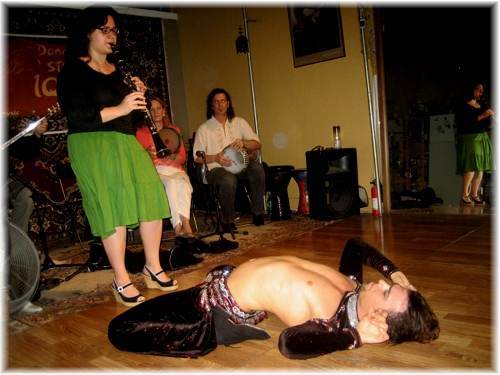
Noted Arabic percussionist and Studio Iqaat owner Donavon Lerman pulled together a small Arabic ensemble to kick the show off with live music, and also  a Turkish band featuring Vedat on saz and vocals, Jessica on clarinet, and Donavon himself on tabla.  Rania kicked the evening off by performing to “Mavi, Mahvi” on CD, followed by Nasila performing to “Leylet Hob” live; Richy interpreted “Eshta Ya Amar”, Tamra Henna did “We Deret Al Ayam” in a stunning red Sahar Okasha, and Aubre performed a hot Saidi Assaya – even though that day, she had hosted Sahra Saeeda’s “Journey Through Egypt” workshop! Fahtiem and I both opted to perform to the live Turkish band, and it was amazing to watch Fahtiem performing Turkish, since she so rarely does. For my part, I got chills during my set while dancing to Jessica’s gorgeous clarinet taxim.

Ozgen performed twice: his first piece, a Romany dance (a version of which I heartily encourage readers to view on YouTube!) had the entire audience screaming, it was so full of attitude and unbridled machismo. His second show was pure Oryantal, quick-paced, dynamic and thrilling. He even did snakey floor work-complete with backbends- while Jessica played him an extended taxim. He ended his piece with a mind-bending, spine-snapping Turkish drop…then got up quickly to lure the audience out for open-floor dancing, which continued on for quite a long time.

The very next morning, he left for the airport, and back home to London.

All I can say is… I hope he comes back to America soon. If you get the chance to see or study with this incredible dancer- don’t even think about it- JUST DO IT!

Ozgen in LA

More information:
Ozgen’s site- www.ozgen.co.uk
Author’s GS bio page

try out comment box below

Have a comment? Use or comment section at the bottom of this page or Send us a letter!
Check the "Letters to the Editor" for other possible viewpoints!

Ready for more?


Gilded Serpent presents...

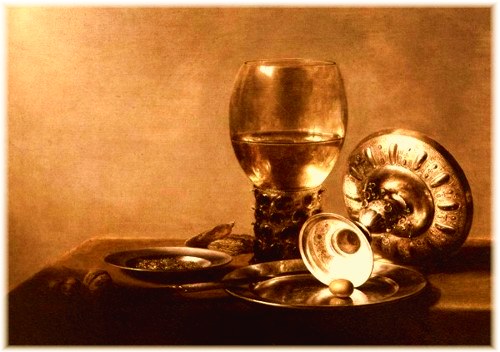
The Wine Glass or The Wine?

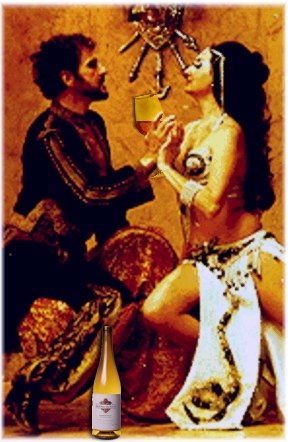
Bert and Dalilah share a glass of wine

Dance Conversation with My Mentor

by Najia Marlyz
posted December 14, 2009

I live in California, renowned for its fine wines, and one of our greatest tourist attractions (outside San Francisco) is the nearby wine country–Napa and Sonoma– where one can go on interesting and informative tasting tours of the various famous wineries. If you are planning to come to California to dance in any festivals or partake of any workshops or seminars offered locally near San Francisco, you will discover that you are near the best wine-producing area and must plan to look into taking a fabulous one-day side excursion!   

It was on one of these wine-tasting tours that a lecturer told our group that in order to be the "best" wine-glass, the glass should be clear in color and shaped correctly in order to show off the wine to its best advantage.  It should not interfere in the relationship between the taste of the wine and the person doing the tasting.  The color of the glass should not mask the color or clarity of the wine and the shape should not make it difficult to taste.

Sometimes, the mere beauty of glassware can be so impressive that it can far surpass the content.

This image popped into my mind quickly a few years ago when I was having coffee with my former dance partner and mentor, Bert Balladine, and once again, we found ourselves comparing our attitudes about Oriental dance as we each experienced it.

What Bert said, as closely as I can recall, was, "I look at my dance as a vessel for myself, not as myself as a vessel for the Oriental dance."

How precise and insightful his analogy was!  As we talked further, I came to the realization that the general lack of understanding of this crucial point on the part of many dancers and dance instructors may partially account for the current lack of passion and emotional content of our dance form in both Europe and the U.S. because most performers concentrate on fine points of technical abilities and execution.

One of the most disappointing developments I have witnessed over the past thirty years—well, since the wee ’70s at least—has been that though technical know-how has risen in general, emotional content of dance waned.  Passion and emotion is what I believe gives Oriental dance its strongest power to fill the need of the human beings performing it and to touch the hearts of those who are the observers.  I used the term "human beings" rather than "dancers" because I believe that this dance of life can transcend ordinary doing into a nearly divine message in the care of a dancer who really has love and respect for audiences.  I also believe that a good amount of stage fright and fear of flop-sweat are born of concentrating wrongly on technical prowess rather than on musical content. 

As Bert said to me that day, "With all due respect to the dance form, if the form over-runs you, it flattens you out.  It is the interpreter of the art form that makes it actually happen."

Please, don’t misunderstand my point here!  I have made my teaching career out of sugarcoating technique to be swallowed by all students who come my way professing a desire to dance.  I have valued and do value and appreciated good technique; however, sometimes during a student dance marathon or festival, in my heart of hearts, I whine over its absence!

Still, complexity and excellence of technique will never over-shadow communication of spirit. 

Oriental dance has been one of the very few dance forms where the soloist is free to convey something of his/her own life understanding to audiences, touching them with the magical electricity intrinsic to excellence in performance.  Unfortunately, not many in Oriental dance have this "it-quality" or even know that it can exist!  Without it, dance performance becomes a mere exercise in movement.

Lately, I have been requiring my students to do things, which may appear, at first glance, to be off the subject of learning Oriental dance.  There was a breath-taking, beautiful movie, which breezed through our area at least a decade ago called "Latcho Drom" that explored “Gypsy” music and dance in various countries of the world.  I recommend this movie to all my dancers.  Also, I have sat down with them to experience the extraordinary talent of Italian opera star Cecilia Bartoli in a video concert as her face fairly dances with emotion and the music wells up from deep inside her, and we’ve viewed the master classes of violin virtuoso, Maxime Vengerov.  These performers in other fields can serve to inspire your dance!

If you want to be an unforgettable dancer, you need to remember what it was about Oriental dance that attracted you in the first place.  Then you must begin to capture (with whatever level of competence in technique you already possess) to speak through your movements and bring your love of mus ic to others. You may find that you can release the shackles that waiting for performance-ready technique imposes on a dancer.  If you compel yourself to wait until your technique is perfect before you dance, you may never learn to allow your spirit to dance. (It is like learning a new language as a child, rather than waiting for adulthood to study it from a book.)

The next time you have an opportunity to watch an Oriental dancer, ask yourself if the dancer is the wineglass–or the wine.  Is the dancer able to present her essence or is she, instead, presenting the "correct" (expected) shape or image and reproducing movement for its own abstract sake?  I urge you to become the wine, not the glass!

use the comment box


Have a comment? Use or comment section at the bottom of this page or Send us a letter!
Check the "Letters to the Editor" for other possible viewpoints!

Ready for more?

  • The “It Factor”
    Between the two men, my dance teacher and my artistic lover, how could I not learn to bring the movements from the core (heart) to the outside?
  • Be Careful What You Wish For…
    A Case against Standardization in Nomenclature for Belly Dance Instruction
  • "Faddah" (Silver) by Hossam Ramzy
    Dancers who have enjoyed many of Hossam Ramzy’s 16 other CDs will doubtlessly be thrilled by this beautifully produced collection of new music
  • The Broken Vessel
    We, too, must believe in our movements, believe in their purpose and message, and we must deploy them with the array of human faculties that begin to evolve when the Art of the Dance is taken up.
  • Here Comes the Aroos! Cairo Weddings
    Frankly, the Egyptian girls can get away with being a bit raunchier, and I do try to be more modest with my movements so as not to look like a saucy little American number straight off the plane.
  • 12-3-09 Division Champs of the Belly Dancer of the Universe Competition 2009,
    This contest is one of the first in the Belly Dance community and includes many categories covering different age groups, various styles and specialties.
  • Rowan Storm Tteaches about the Daf, Tar, and other frame drums used in the Middle East and North Africa
    Filmed in August 2008, at the Mendocino Woodlands, Middle Eastern Music and Dance Camp. Rowan Storm talks about the different names each frame drum has in each country and the confusion that can happen. She also tells us about women only drum groups in central Asia. Another topic- plastic vs natural materials
  • My Dream: Dancing in Cairo!
    To be asked to teach at Ahlan Wa Sahlan is an amazing honor, but to be performing, in the biggest show of the year? It was unbelievable! This was the most significant phone call I have ever received in my entire career.
  • Keeping Your Love for the Dance Alive
    A dancer’s body is in tune and locked into this higher power by sheer force of nature and no one, not even the dancer herself, can break that bond
 

Gilded Serpent presents...

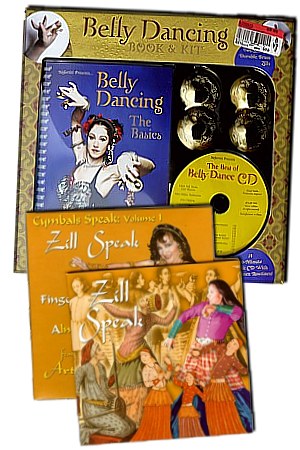
2 Finger Cymbal Products

Zil Kits

Belly Dancing Book & Kit
Zill Speak, CD and Booklet by Artemis

Reviewed by Surreyya
posted December 13, 2009

Given two very different products with one common denominator, zills (or finger cymbals), I was bestowed the honor one weekend to try on, play and review these instruction tools.  Either will make a memorable holiday gift if carefully selected for the right giftee.  One is new (Artemis) and one you know you all have seen whether or not you want to fess up.  On to the confession… 

Belly Dancing Book and Kit – A kit by Nefertiti Presents, Sherry Jeffries and Mud Puddle Books
This kit is unique and interesting simply for its kitsch factor alone. With Rachel Brice slathered on the front cover and all over the packaging, it seems as though Rachel put out this product or clearly endorses it.  I am not sure why she would allow her image to be used (or if she even knows) on this product – which has nothing to do with her style of dance.  I also wonder why Sherry Jeffries does not have enough confidence in her own instruction to appear on the cover of her own book.  She is not unsightly by any means, perhaps it is the quality of the instruction?  On with the show!

The kit contains:  1 music CD,  1 set finger cymbals, 1 belly dance instruction booklet.

The music CD – the only description for songs available here is “fast, slow, fast, slow (floor),  (opening, ending, second routine), etc.”, there are only names assigned for the last two tracks.  Fortunately the musicians are at least credited.  The music isn’t fantastic, meaning the production quality is far from superb.  It does sound a bit like it was taken from an old 50s
or 60s film, minus the orchestra, and feeling.  Perhaps done “straight to tape” as they did in that era.  Any pertinent details to the songs and artists are sadly absent.

The finger cymbals:  The cheapest money can buy, likely made by orphaned children in a third world country, yet an exceptional value for $9 at Borders books.  Especially for those non-committal or exceptionally thrifty students you may have.

The instructional booklet – pure kitch.  A somewhat nostalgic reminder of the books my older sister bought and poured over in the 70s, with vintage costumes, staged poses and arrows and diagrams, only condensed with less information, highly dangerous instruction on the Turkish drop – literally, “…spin around two or three times, drop to your knees and lie all the way to the ground.  You can use your arm to help lower yourself back to the ground.”  Ouch.   No warm-up ideas and the only caution offered, “…do not go any further than your body permits.”  The best and most useful advice offered in this book is “Find a good teacher, practice hard, and you will become what you wish to become.”

Granted it is difficult to teach belly dance by written words and images, but others (Dahleela, Bert Belladine, Jamilla/Suhaila Salimpour) have managed to put quality instruction and imagery to good use.  This book attempts to brush the surface of many movements without the detail, and ads many confusing and contradicting terms, i.e. shoulder “thrusts”.  That just sounds painful.

In summary, you get what you pay for. 

Suggested uses for this product – quick set of practice zills for a student if there is no dance shop nearby, or if mail order is too long a wait.  Nick nack for your dance studio shelf.  Gag gift for fellow dancers, teachers, colleagues, or white elephant gift at a holiday party.  Tis the season!

Zil Rating: 1 zill for the clever packaging
Zil Rating: 1

Artemis's CD

Cymbals Speak: Volume 1- Zill Speak – Finger Cymbals from Almee to Zill featuring Artemis

Once again Artemis puts out a product full of insight, background and educational content that is easy to grasp, entertaining and fun to learn. Zill Speak is an educational CD full of interesting finger cymbal rhythms presented in several time signatures for the listener to digest and play alongside. Included in this CD package is an instructional booklet intended to supplement the listener with a visual and more elaborate definition of the content on the CD. 

I love this CD and would highly recommend it to my students, and for other teachers to also recommend to their students.

Artemis’ spoken presentation on the audio CD is very helpful and understandable, and she provides fun phrases to follow along “I like pizza pie with lots of pepperoni” so a beginner can begin to understand the character and foundation of the rhythms presented.  While I have seen other teachers scorned for this type of instruction, I find it incredibly useful in absorbing the musicality
of the phrasing and patterns – especially since not all dancers are musicians, or may not come from a background in music instruction.  Most of my music teachers have utilized this approach at one time or another.  Artemis offers a comprehensive overview on counting, phrasing in odd time signatures, and an explanation of the common rhythms we come to know in modern day Middle Eastern dance.  What is especially great about Artemis’ teaching style, is that she remains non biased in her approach.  

She does not insist there is only one way to play, only one rhythm to follow, nor only one technique to apply, and does not limit the listener with crazy half-baked rules and regulations to “zilling.”  What she does do is offer very common sense based ideas supported in experience and application.

My only negative on feedback on this package is the interior booklet – there is so much information – the organization of the content might be worth rethinking. While in some circumstances it may be seen as a bonus to have extras, it was difficult for me to follow along with the CD.  Frequently information is presented out of track order, and at times the content for a sequential order of tracks, or in another section of the book entirely, making the listener have to flip back and forth to keep up with the CD.  The diagram of the anatomy of hands, fingers, and forearms has too little information to support its generous real estate on the interior booklet – I found myself looking for warm-up exercises, common injuries and strains and some ideas to prevent them, but nothing was there to support the imagery.  There is a nice history lesson on zills, how they fell out of favor, and how to choose the perfect zills for your style and performance based on many criteria.  Also the colors of the booklet and small font make it difficult to read at times.

On the positive, it is easy to critique someone else’s hard work.  It must have been difficult to decide what to put in and what to edit out of this booklet without selling a student short, not busting your budget, and keeping within the constraints of a CD booklet.  I truly appreciated the content and Artemis’ teaching style shining through on this CD.  I am always amazed that when ever I watch or review one of Artemis’ instructionals that I feel l am truly getting a private one on one lesson with her – as if she were really in the room next to me guiding me step by step.  Short of an airline ticket, hotel stay and funds for several days of private lessons, this CD is an exceptional value for an almost identical experience.

Purchase information:http://www.serpentine.org

Zil Rating: 4 zills playing in 9/8! 
Zil Rating: 4

use the comment box


Have a comment? Use or comment section at the bottom of this page or Send us a letter!
Check the "Letters to the Editor" for other possible viewpoints!

Ready for more?


Gilded Serpent presents...

Here Comes the Aroosa!

wedding dance

Cairo Weddings

by Nicole
posted December 9, 2009

I hate to burst the collective bubble of mystique that surrounds Cairo, but in actuality, living here for a long period of time ends up feeling like huge swaths of boredom interspersed with flashes of amazing moments–like standing inside a thousand-year-old mosque or sailing the Nile by night. These are moments that lend a baseline sense of wonder and charm.  Every now and again I do think, “Wow, I’m actually in Cairo!” but things have become a little less surreal as I move into my fifth month living here.  Personally, my summer was a great chance to unwind and spend quality time here, but by the time September was on the horizon, I was all alone waiting for my roommates to arrive and school to start—in short, I was, shockingly, actually bored!

Luckily my boring, grumpy sojourn was interrupted by an Egyptian friend’s invitation to an engagement party!  His best friend, Hussein, was in town from Dubai to get engaged, so Ramy was going of course, and was sweet enough to drag me along to experience my first real Egyptian party.  I nervously obliged and threw on the one dress I brought to Cairo with a shawl over the top to cover my shoulders, along with a pair of Dior knockoff shoes that were a gift and won me many compliments over the evening.  Running late, I grabbed the first taxi I could hail as the doormen and local police guffawed. I managed to forget that if the all the taxi windows are down and the driver is driving as fast as possible (like they always do) that my long hair would be destroyed.  Luckily, I’m not much into styling my hair (except for a good blow-dry to get it pin straight) so I finger-combed frantically from the moment when I picked up my friend until we stepped into Hussein’s car to go pick up his fiancée, Dahlia.

The bride-to-be looked fabulous when we picked her up from the salon, dressed in a bright red dress rimmed with sequins with matching red 4-inch heels (a gift from Hussein–that guy has excellent taste!) that made me drool fervently.  I loved how they had designed her hijab most of all, actually.  It was constructed from layers of gold and red tulle with glitter sealed inside, wrapped and pinned into a flower-like shape in the back.  Truly a sight to be seen and a feat of styling!

As we approached the bride’s house, the “wedding honk” began happening. Yes, there is a special way of honking in Cairo which is only slightly different from the post-soccer-match-victory honk that basically translates to “Hey everybody these people are getting engaged/married, let’s party!”  I used to hear it every Thursday night when I lived in Zamalek (across the street from the Nile and thus, the site of many weddings )!

Family and friends came out to welcome the small caravan of cars accompanying us, and after parking, a massive flurry of cheek kissing, handshaking, firework lighting, and hustling inside commenced.  At this point, I got the picture of what Ramy had meant by saying, “Oh it will just be a small party.”  Apparently, in American terms, a small party would be microscopic here, because easily 75 people passed in and out of the chair-crammed salon and sitting room of the bride’s home over the course of the evening.  We danced for hours to all the latest hits, including me: the lone American. Incidentally I’ll never forget the look on one old man’s face when I conversationally told him I was American in Arabic, expecting the usual look of surprise, interest, and welcome and receiving instead a completely horrorstricken look as if  he’d seen a ghost! 

I guess I wasn’t in international Cairo waters any more with the other khawagat (foreigners)!

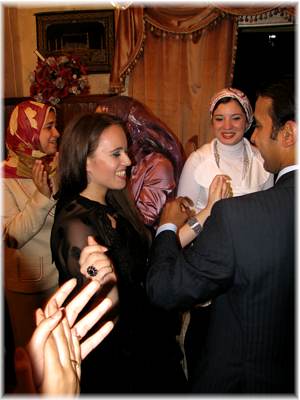
Nicole dances with her dateDancing socially at a wedding or party in Cairo is always an interesting psychological puzzle for me as a Bellydancer.  Yes, everyone is doing Bellydance moves (including the guys, who are excellent) but as a foreigner, you never want to ham it up too much because people are staring at you anyway trying to figure you out. Heaven forbid they should find out you’re a professional dancer! 

Frankly, the Egyptian girls can get away with being a bit raunchier, and I do try to be more modest with my movements so as not to look like a saucy little American number straight off the plane. 

The guys are the big hams at the parties, because they don’t get to dance much otherwise, so they just let all pretense go!  For me, using my Arabic works wonders, and a little bit of good Bellydance technique goes a long way toward being accepted.  People get excited about foreigners being able to dance Egyptian style, but it’s better not to go overboard and bust out the diva attitude, especially on someone else’s special day!  Most of the time, Egyptian people will be more than welcoming and hospitable anyway without you trying to put on a show for them.

At about 1a.m., after the eating of cake, the showing of the gold jewelry as a gift to the bride, and lots of dancing, Dahlia and Hussein made a break for it along with Ramy and me (as well as assorted other hangers-on).  We headed back to my home area of Maadi and plopped down into chairs at one of the fancy cafés on a main road to have dinner and chat.  By the way, of course the
cafes are open and serving food at 1a.m., that’s how things operate in Cairo!  The problem was that my Arabic was/is still less than fluent and the only people who spoke English were Ramy and Hussein, who were more involved in catching up than speaking to me or translating.  Dahlia and I were making the cross-cultural, “these boys need to stop ignoring us and talking about work,” faces at each other, but were unable to communicate because of the language barrier which was a shame.  On the plus side, after being dropped off at home around 3 a.m. and sleeping the day away, I redoubled my efforts for Arabic class out of sheer frustration.

Fast forward to a couple months later, and I have now been dragged to other random parties including two weddings in the last two weeks alone.  Ramy is a pretty steady lead for invitations, since he has a kind and lovely tendency to invite his American friends along. However, he seems to forget that when he does, my first instinct is to freak out about finding a new dress.  Dress shopping can be a complete nightmare here, but I’ve discovered the secret of going with an Egyptian girlfiend!  It is so much more fun. You can cover so much more ground and learn some stuff!  For example, those claustrophobic looking storefronts on Talat Harb Street (downtown) are worth checking out because chances are they have a 3-story shop complete with air-conditioning and pretty, wearable dresses behind them. 

I’m not brave enough normally to deal with downtown crowds or to go dress hunting in insane hidden shops, but with a smart Egyptian girl by your side, I think one can accomplish anything!

Nicole poses with family
Author poses with Dahlia, Hussein and someone’s niece?

The first of the two weddings was a casual garden-party sort of affair down the Nile from Giza at a gorgeous villa.  Apparently this style of wedding is beginning to become de rigueur with young couples here in Cairo as a fun, open-air way of tying the knot that is less stuffy and more party!  I have admit, it was an awful lot of fun, and we danced the entire night away to our favorite Shaabi music before driving the staggering distance home. (We were pretty much in the middle of nowhere.)

The zeffa is probably my favorite part of weddings here that we don’t have in the U.S.  Seeing the bride and groom escorted into the wedding venue by a variety of displays including folkloric dancing, tanoora performances, and drumming always makes me vow to bring this tradition back home.  At the garden-party wedding, there was a fairly low-key zeffa out in the street, where photos were taken, the bride and groom stood shyly but happily on display, and a group of men circled them drumming and singing, accented by women giving the zagaroota. 

The groom’s brother—a friend of Ramy’s who, incidentally, speaks German but no English—decided I should actually be part of the zeffa, so he grabbed one of the three foot long taper candles the women in the procession carried, and thrust it into my hand with a massive smile that was genuine (if slightly scary).  Once we escorted the bride and groom to the stage, I handed the candle off to some auntie or cousin and fled somewhere less visible!

The most recent wedding I’ve attended featured a huge zeffa as part of a completely different style of ceremony.  Apparently the groom (whom I am told is the brother of some vague acquaintance of Ramy’s) is a higher-up type in the Egyptian military service, so the wedding took place in an army venue and was fancy to the extreme.  I’m talking smoke machines, disco balls,
a 6-tier cake, and flower arrangements the size of yours truly!  When Egyptian weddings go all out, they go all out!

The zeffa was extravagant, and luckily, my room mates plus Ramy and me managed to struggle our way through security with our American University student IDs just in time to catch the whole thing.  First came folkloric dancers performing a Saiidi dance, then Tanoora dancers who exited suddenly through the crowd, removed skirts still whirling at about eye-level for some of the taller gentlemen, and finally much posing and picture-taking while the huge crowd milled around grinning and the musicians carried on.  I was mostly busy clapping along, adjusting my full-length gown, trying not to feel dorky because we simply don’t often wear dresses that length in the U.S.!  It felt glamorous and pretty, but also slightly awkward, so I kept grabbing at it, making sure my little wrap covered the backless-ness to an acceptable level.  I would never imagine I’d feel more at home in a mini-dress (not for a party here obviously), but you learn something new everyday day on study abroad–even if it is something shallow.

Nicole poses with date
Author and Ramy

An unusual aspect of this wedding however was that the actual signing of the documents took place just after we had all settled down in the cavernous hall, before the party commenced.  An official was there to facilitate, the families did the paperwork together, and everyone said a brief prayer for the wellbeing and success of the marriage. This is, in my experience, a rarity
for Egyptian weddings. I haven’t quite figured out why, because obviously there has to be official paperwork. I assume that before the other weddings I’ve attended, it was done elsewhere–before their giant reception parties began.

We were able to experience wedding details because of an odd staple of culture here–Egyptian wedding videographers!  These guys run around at every wedding, toting huge video cameras with bright lights mounted on top, trailing ropes of wires and cables. Presumably, their purpose is to capture a lovely wedding video, but also to provide a live feed to the projection-screen monitors on either end of the hall. When the cake is cut, the rings exchanged, or the bride and grooms’ fingerprints taken on the official document, everyone can catch every second of the action.  It’s nice but seems a bit tacky, since you are able to see everything close up and in an more-or-less artistic way.

  Trust me, however, you will want to punch one of these videographers when they decide to video everyone at the party and get right up in your face with those super bright lights.

It’s the slightly tacky but sweet and heartfelt vibe that defines Egyptian weddings for me, along with the interspersion of American and Shaabi music.  The bride and groom’s first dance was to a well-known American soft rock tune, and they revolved in the middle of the floor slowly, gazing into each other’s eyes with happy smiles while their families looked on tearfully.  Of course, this was all taking place in the middle of a smoke machine cranked up to the max, manic laser lights, and the usual wedding photographers/videographers circling around which made the effect a bit less elegant in retrospect, but it was quite usual for a decent wedding.  We ended up seated (therefore filmed) at the bachelor table, which was a dapper affair ridden with black suits and much serious work discussion, until the music got going–

when at least ten young men rose as one to go party down in a circle Raqs Sharqi-style. I was mid-sentence with Ramy when at least four of them literally seized him
and dragged him away while apologizing in polite, broken English.  He smiled sheepishly and went off to do his turn in the middle of the circle of dancing participants.

After dancing for hours and eating more than enough cake, we decided it was time to make a quick exit and head home.  We piled into Ramy’s semi-stylish old Corolla amid slightly raised eyebrows and smiles and it was off home to Maadi.  (Three pretty American chicks plus one cute Egyptian guy is considered a recipe for something)  I dismantled my elaborate hairdo, laying the white roses that I had jammed into my hair on the dusty dashboard as we dodged slower traffic on the highway. Above us were many incense-burner styled minarets lit up in green neon, and we passed one hundred-plus year old empty buildings, as they slowly crumble into slums by the roadside.  Cairo at night is romantic–in an ancient, contradictory way that’s hard to explain until you have experienced it, and it is easy to take all of the romance for granted when you live here.


romantic couple
click for a closer look at the loving looks between this couple!


Have a comment? Use or comment section at the bottom of this page orSend us a letter!
Check the "Letters to the Editor" for other possible viewpoints!

Ready for more?

  • 10-14-09 Ramadan in Cairo by Nicole
    This idea of renewed religious commitment and the character of Ramadan to involve self-deprivation makes many of us westerners think that this is a somber time, but in fact there is another side to the month of Ramadan that is quite lively and exciting.
  • 10-5-01 Dancing in Yemen, Part 2: El Arous by Jalilah
    I had been to many Middle Eastern weddings before, but none were as visually impressive as the ones I attended in Sanaa, Yemen.
  • 7-15-08 Egyptian Wedding Stories by Leila of Cairo
    All the guests were staring at us. The father of the bride demanded to know who ordered the bellydancer and it seemed a fight was going to break out between representatives of the brides’ family and the hotel organizer.
  • 11-17-02 White Out Wedding by Sarah
    "The first day I donned my giant, fluffy blue ballgown and tiara. A nice man named Bob let me play with his flame thrower. There never was a happier princess." Sarah finally goes to the Burning Man Festival
  • 12-3-09 Division Champs of the Belly Dancer of the Universe Competition 2009, photos by Carl Sermon
    This contest is one of the first in the Belly Dance community and includes many categories covering different age groups, various styles and specialties.
  • 11-28-09 Rowan Storm Tteaches about the Daf, Tar, and other frame drums used in the Middle East and North Africa Musical Instrument Tour
    Filmed in August 2008, at the Mendocino Woodlands, Middle Eastern Music and Dance Camp. Rowan Storm talks about the different names each frame drum has in each country and the confusion that can happen. She also tells us about women only drum groups in central Asia. Another topic- plastic vs natural materials
  • 11-27-09 My Dream: Dancing in Cairo! by Jillina
    To be asked to teach at Ahlan Wa Sahlan is an amazing honor, but to be performing, in the biggest show of the year? It was unbelievable! This was the most significant phone call I have ever received in my entire career.
  • 11-25-09 Keeping Your Love for the Dance Alive by Mandy
    A dancer’s body is in tune and locked into this higher power by sheer force of nature and no one, not even the dancer herself, can break that bond
  • 11-24-09 New Archive Page- Gigbag Checks!
    Video interviews with artists backstage before or after the show. Twenty videos listed so far, more to come!
 

Gilded Serpent presents...

Drum Solos:3 Masterful Approaches

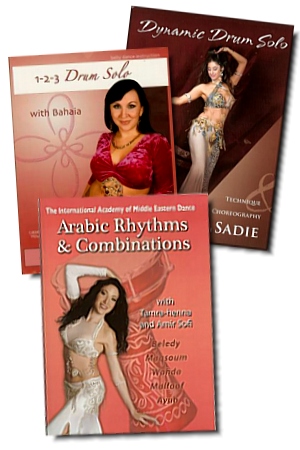
3 Drum Solo DVDs

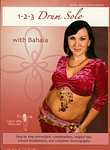
1-2-3 Drum Solo with Bahaia,
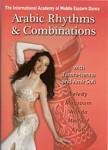
Arabic Rhythms and Combinations with Tamra-henna,
Dynamic Drum Solo: Technique & Choreography with Sadie

Reviewed by Sonja Oswalt
posted December 4, 2009

I reviewed 3 drum-solo DVDs taught by well-known and loved instructors. The first DVD, 1-2-3- Drum Solo with Bahaia, covered foundational aspects of the drum-solo and is best suited for beginners wishing to learn the basics of drum solo technique and a cute, short choreography. The second, Arabic Rhythms and Combinations with Tamra-henna, offers in-depth study of common drum-solo rhythms and how to appropriately interpret each rhythm. It is a wonderful addition to any dancer’s library, at any level. The third DVD, Dynamic Drum Solo: Technique and Choreography with Sadie, focuses solely on choreography and is best suited for upper intermediate level to advanced dancers who wish to learn a new choreography or combinations to build into their own repertoires.

Bahaia Drum Solo DVD1-2-3 Drum Solo with Bahaia

1-2-3- Drum Solo with Bahaia is a beginning-level DVD that breaks down movements for a basic drum solo, then combines those movements into a simple (but cute) choreography.

The quality of the DVD is very nice. Each basic movement is broken down then a short practice session follows, using that movement. Movements covered include:

  • Triple Step,
  • Hip Slide,
  • Hip Drop,
  • ¾ Shimmy,
  • Rib Cage Slide,
  • Hip Square,
  • and others.

The video covers many basic movements, which is convenient and helpful for beginning-level students—you get ample instruction for your money! The choreography is dissected into 5 segments, and each segment is comprised of the basic movements that were covered during the technique and practice sections of the video. Bahaia teaches her choreography while facing a mirror, which works nicely since you are able to follow her from behind and are able to see what the choreography looks from the front, as well. Unfortunately, the lighting is a little dim, so she’s shadowed a bit in the mirror. Each choreography breakdown is followed by several rounds of practice.

One thing I appreciate about the simplicity of the choreography is that it illustrates how simple movements can be combined into a very effective, interesting, and impressive drum solo that beginners can learn and perform for friends and family, and then build upon as they gain experience.

Beginners may have some difficulty with the shimmy sections at first. However, at the end of the video, Bahaia rehearses the choreography in its complete form several times so that you can follow along—another nice feature. As a fantastic bonus, there is an extended practice section on the DVD that drills all of the movements Bahaia covered without having to go through the
entire technique breakdown, followed by a short rhythm identification section.

Overall, this is a delightful DVD for beginners who would like a breakdown of basic movements and some ideas for how to combine those movements into a concise drum solo. This DVD packs a lot of content into one disc—a great value for your money. My only real complaint with this DVD is that there is no warm-up or cool-down section, nor is there any discussion of arms or posture. In my opinion, particularly for a beginning DVD, those are features that should always be included or, at least, discussed. Because of that omission, I award this DVD 3 ½ zills instead of 4.
Produced by Cheeky Girl Productions

Zill Raring-3.5
Rating: 3 ½ zills

TammerhennaArabic Rhythms and Combinations

Arabic Rhythms and Combinations with Tamra-henna has quickly become one of the favorite DVDs in my large collection. Unlike the 1-2-3 Drum Solo, this DVD is geared toward intermediate dancers who wish to learn rhythmic patterns and some foundational combinations that can be changed around to further develop improvisational skills. This DVD does not teach choreography! Tamra-henna and Amir Sofi cover 5 common rhythms: Beledi, Maqsoum, Wahda, Malfoof, and Ayub. First, the sounds the doumbek makes are fully addressed, along with a description and explanation of rhythmic diagrams used in Middle Eastern dance notation. Each rhythm is broken down, and then Tamra-henna discusses how to interpret particular aspects of that rhythm through dance.  Then, she breaks down each rhythm and demonstrates 2 combinations for each one. 

This DVD is most easily compared with BDSS Sonia’s “Bellydance-The Art of The Drumsolo.” I own both DVDs, but I can honestly say that I much prefer this one! I appreciate how Tamra-henna goes into detail about the use of each rhythm, the detailed discussion of various interpretations of each rhythm, and the similarities and differences between rhythms. If there is a downside to this DVD, it is how slowly Tamra-henna speaks, and how thoroughly she breaks down each combination. I found myself growing impatient with her carefully enunciated instruction. That said however, I really enjoyed all of the combinations on the DVD, and have actively incorporated many of the combinations and suggestions into my own dance improvisations.

Although the DVD does not include a warmup, Tamra-henna recommends that dancers using the video begin with a 20 minute warm up session. The DVD includes a breakdown of appropriate posture, and arms are briefly mentioned.

If you are looking for choreography, this is not the DVD for you. However, if you’re looking for a masterful rhythm workshop and details on how to interpret those rhythms when you dance, I enthusiastically recommend this DVD.

Produced by the International Academy of Middle Eastern Dance

Zill Rating-4
Rating: 4 zills

Sadie's Drum DVDDynamic Drum Solo: Technique and Choreography with Sadie

I am a big fan of Sadie and her DVDs, but I was personally a bit disappointed with this one. This DVD is intended for advanced dancers, or intermediate dancers looking for a challenge. The DVD begins with a short yoga-influenced warm-up. The music in the background during the warm-up is a little frenetic and was a bit distracting. Following the warm-up, Sadie jumps directly into the first of 7 combinations. She assumes familiarity with the movements and techniques used, which is probably a reasonable assumption for advanced dancers. After each combination, she goes through each combination with music—quickly. That rapidity is the source of my disappointment with this DVD. I learn quickly, but found myself flailing around a little frantically trying to follow along. If each combination had been practiced to a slow beat several times, next practiced to a faster beat several times, then brought up to speed and drilled to the correct music repeatedly, I would have felt more confident while learning the sequences.

Instead, I became discouraged quickly because I felt rushed.

The DVD ends with a short cool down and a section featuring Sadie performing the drum solo. 

I love watching Sadie’s drum solos, and I thoroughly enjoy her drill and technique on videos that I own also. However, this DVD was not my favorite among the ones she has produced, simply because it was focused on dishing out the choreography so quickly. It felt rushed and left me standing, gaping at my screen, ready to give up after the second combination (even though I consider myself to be an advanced dancer). I would recommend this DVD to advanced dancers if you’re looking for some combinations to sprinkle into a drum solo you’re creating, or if you just love Sadie’s choreographies and plan to dedicate yourself to learning this and performing it somewhere. I do not recommend this for beginners, because I think you may want to throw something at the screen in frustration. In spite of that aspect, the choreography itself is pleasant and impressive, and the video production is high-quality. 
Produced by Hollywood Music

Zil Rating-3
Rating: 3 zills

Overall, if I were an advanced beginner through advanced intermediate student with only enough money for one of these videos, I’d purchase Arabic Rhythms and Combination with Tamra-henna.  I felt it offered the best value for the money, and covered more material that is adaptable in many ways to my own personal dance repertoire. 

Have a comment? Use or comment section at the bottom of this page orSend us a letter!
Check the "Letters to the Editor" for other possible viewpoints!

Ready for more?


Gilded Serpent presents...

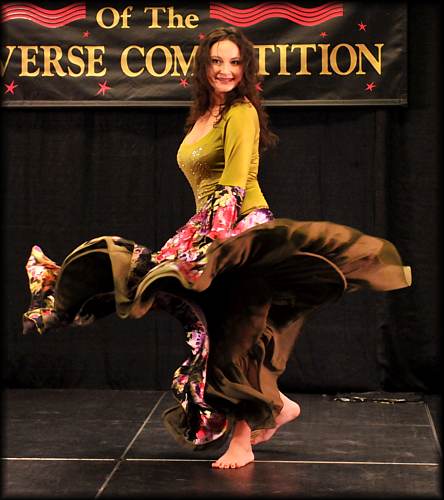
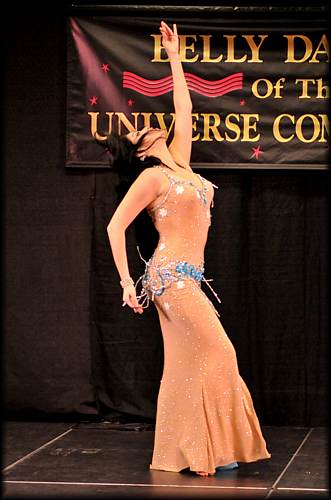
Division Champs

Carl

of the Belly Dancer of the Universe Competition, 2009

Photos by Carl Sermon
posted December 3, 2009


The Belly Dancer of the Universe Competitions draws performers from all over the world. This event is produced by Tonya and Atlantis. Many of the current stars in the United States have participated as contestants in this competition including:Dondi (2002), and Aziza (2002). Many well known American teachers serve as judges. Several of the Los Angeles area vendors sponsor different divisions of the contest. This contest is one of the first in the Belly Dance community and includes many categories covering different age groups, various styles and specialties. Don’t miss the next contest held in Long Beach, California, February 13-14, 2010. Take a look at Carl’s wonderful shots of the 2009 champion performers who dazzle the audience with their dancing expertise, personalities, and costuming.


Guzel wins Champion of Champions
Guzel Gilmeeva of Russia
wins the Champion of Champions!


Han Ui of Korea
wins the "Drum Solo" division

Maryam

Maryam of Mexico
wins the "Egyptian" Division

Guzel

Guzel also wins the "Fusion" category

Soulfire
Soulfire of Oregon
wins the "Group" category

Attiya
Attiya of New York
wins the "Juniors"

Kate
Kate of Mexico
wins the "Little" category

Mireya
MIreya of Puerto Rico
wins the "Taksim" division

universal
Dilek of California
wins the "Universal" category

Enise
Elise of California
wins the "Veil" category

Posted videos from last year’s events:


More videos from this event coming soon!

For more information on this event check their website here.


Have a comment? Use or comment section at the bottom of this page or Send us a letter!
Check the "Letters to the Editor" for other possible viewpoints!

Ready for more?


Gilded Serpent presents...

My Dream:Dancing in Cairo!

Denise's photo of Jillina on stage in Cairo

by Jillina
posted November 26, 2009
Photos by Denise Marino and author

Like many dancers, it has been a life-long dream of mine to dance in Cairo. The amazing musicians, the exotic atmosphere, connecting with the birthplace of Bellydance as we know it–who hasn’t dreamed of such an experience?

I have always considered myself very fortunate to have traveled to Cairo many times over the years. Studying with Raqia Hassan, getting to watch idols such as Dina, Fifi Abdouand Lucy perform made this dream even more real and fantastic. I am even luckier to have stayed with my dear friend, Katia, one of the well known dancers in Cairo, giving me a behind-the-scenes look at some of the struggles and sacrifices that both native Egyptian and foreign Bellydancers face as they live a Bellydancer’s life in Cairo. I knew  from witnessing their experiences, and finding my way to perform in the 5 star hotels, that this dream of moving to Cairo was not something that I was mentally prepared to do. I could never make those kinds of sacrifices!

The Phone Call

When I received a phone call from Raqia about performing in the "Closing Gala" of the Ahlan Wa Sahlan festival, my heart seemed to stop!

To be asked to teach at Ahlan Wa Sahlan is an amazing honor, but to be performing, in the biggest show of the year? It was unbelievable! This was the most significant phone call I have ever received in my entire career.

It was the same feeling I experienced when I did my first Bellydance performance: excited, scared, nervous, and ready to give it all I have.

Once it sunk in that I was going to do this, I started emailing Raqia asking about musicians. I knew it would be important to ensure an amazing orchestra; they could make or break my show. In addition to emailing Raqia, I began emailing Katia and another great friend, Soraya.  Most of their responses were “Malesh, Insha’ Allah! Don’t worry, we will find you something special!" …which of course terrified me! I even emailed Randa Kamel and asked her if I could use her orchestra.

I attempted to be calm and do the Egyptian thing. “Insha’ Allah!”

Connecting with the Band

On my first day in Cairo, I immeditately began to politely bug Raqia to help get my musicians together; she put me in touch with Samir, who was, fortunately, Randa Kamal’s band leader.  It was opening night, and I felt privileged to watch the band perform with Randa. I was so impressed! What a relief!  The band was, of course, amazing! Now I knew that I was in Cairo!

The funny thing about that night in the Opening Gala was: while watching Soraya (a Brazilian who has lived in Egypt for about 10 years) and Randa, (a superstar Egyptian) perform, I thought that I couldn’t see myself doing that, or see myself dancing there for 45 minutes doing the “Egyptian thing”. For the last seven years I’ve been dancing in theaters, and working with big troupes, doing the “American thing” with the occasional Om Kalsoum sprinkled in. I just could not envision myself in this way, and I doubted myself–for a moment.

Days passed and frantically, I attempted to schedule a rehearsal with the musicians. I finally pinned-down Samir to rehearsing Thursday night at 2 a.m. before the Friday night show. Success! I scheduled my rehearsal!  The next morning, I awakened to a phone call from Raqia’s assistant, asking me to bring my music down stairs. Samir would not be performing with me after all, and I would be using the "house band" for the Closing Gala. They were friendly musicians who made beautiful music but, for me,it was not going to cut it for the Closing Gala.

In a mad panic, I began calling Soraya and Katia, asking if I might use their orchestras. However, they had booked shows already and their musicians were unavailable. My panic level rose!

I reluctantly gave them my music, went back to my room, and within 30 minutes Samir called me, accusing me of canceling his show! I respond that I did not cancel his show. I told him that I was just following directions from Raqias’s assistant. In his rage, he insisted that I come downstairs to meet him. I dreaded meeting with an angry Egyptian band leader!

He was upset; he said that he had booked rehearsal space and musicians. Also, he said he would refuse to play at the festival again (ever) if he did not receive compensation for his commitment. So I told him, “Samir, I prefer to dance with the best musicians, and yours are the better musicians; so let’s try to negotiate with Raqia and fix this situation.” We agree to meet with Raqia in 1 hour after I met with Samir, Raqia simply told me to ignore Samir–that she would "handle it". I scurried off to my classes and pretended to ignore the stress that all this back-and-forth had caused.

I come out of my class and witnessed Raqia and Samir, yelling at each other (both using the few Arabic 4 letter-words I understood). Literally, I ran in the opposite direction! Hallelujah! Peace had been made. Samir had secured the gig, and we were back on with our scheduled 2 a.m. rehearsal.

During the festival I taught a class of over 100 students. Quite a feat to connect with 100 dance student, but luckily I had a couple of great dancers assisting me (Alba Hayal, Nabila & Nahzarit), which allowed me to move around the room and work a bit inpidually with dancers.

Mohamed Shahin and his girlfriend
photo by Denise Marino of Mohamed Shahin and his girlfirend, Diana Esposito
Magazine Cover
Jillina with Amir Thaleb
Author’s photo with Amir

One of the best parts of teaching at the festival was being a student. I participated in some amazing workshops presented by the other teachers. My favorites included: Mohamed Shahin, Raqia Hassan, and Mona el Said. Mohammed is a resourceful teacher and artist. Raqia Hassan, of course is still an unbelievable dancer, choreographer, and teacher. Her choreography was so organic and beautiful that it didn’t look like “5678”. It was purely Egyptian dance, while Mona Sa’iid’s workshop was inspirational.

Mona taught about being "cool", laid-back, and confident when you dance, and she coined the phrase “Obama-style Bellydance”!

Since I’ve been featured on DVDs from IAMED (International Academy of Middle Eastern Dance), HMC (Hollywood Music Center) and of course, my video and international tours with BDSS (Bellydance Superstars), my work over the last decade has brought my image, dancing and teaching style to many different parts of the world. My fan base has crossed many borders. When people see me for the first time in person, it’s often a funny reaction. Ahlan wa Sahlan is so unique, because there are numerous people from various countries. It always takes me by surprise, and still feels a bit strange, when I am approached by fans lining up for pictures, wanting autographs. It’s a bit overwhelming, and since there is no hiding from the public at Ahlan Wa Sahlan, I must always be camera-ready. Being on the cover of Belly Divas Magazine, a German publication that was given to all the festival attendants, made me feel like one of the FBI’s "Most Wanted" list at the U.S. post office.

I had a blast throughout the week, reuniting with friends, students, and peers, networking with dancers from all over the world, shopping at the amazing bazaar, and ordering new costumes for my troupe. Shopping! Shopping! Shopping!

Rehearsal

Before I knew it, the week was coming to a close, and it was time for my rehearsal. I had never been to an Egyptian rehearsal and had no idea what to expect. I called an old friend, Halah Moustafato join me along with her with her Arabic speaking female assistant (a lovely, sweet woman). Thank goodness, she was there because she  translated all the conversations during the rehearsal, and kept us in the loop so that I wasn’t the redheaded doe-eyed foreigner who was completely oblivious to the musician’s conversations.

The rehearsal was held in a room that was about 10 feet by 12 feet with just the core musicians, about 15 men, who were all chain-smoking. Even though my eyes and throat were on fire from all the smoke, my body tired with fatigue and jet lag, I couldn’t help smiling with joy. I was finally being initiated as “Ra’ assa” (Egyptian slang for Bellydancer) I was finally paying my dues. The music was incredible, so incredible you could taste it! (…or maybe that was the cigarette smoke.) The accordion player was heaven to listen to, the violins were as rich and sweet as chocolate, the percussion was just sensational. I had goose bumps the entire time. 

At 4 a.m., as we headed out of rehearsal, I handed Samir a cash tip, making sure all the musicians saw and thanked them for a lovely night of music, choking as I said it. I can’t complain, two hours of breathing smoke seems a small price to pay for such heavenly music….

Lesson with Raqia

On the third day of the festival, I heard a rumor that Raqia was teaching private lessons. Never being able to pass up on some one-on-one with Raqia, I jumped at the chance. When I went to meet her, of course she was over-booked and asked me to come back in 2 hours–“Egyptian Time.” I arrived finally at my appointment and she showed up with another Egyptian folkloric teacher. They sat down in front of me, and Raqia said, “Okay, what are you going to do?”

I start with my Oriental entrance, terrified of course! I finished, and her only comment was, “You need more Raqs Sharki and less Oriental in the Maqsoum section.”

I smiled politely and thanked her as I wondered what this comment meant. To me, Oriental and Raqs Sharki meant pretty much the same thing. Without trying to look stupid, I asked “Can you demonstrate that for me?” She replied that I just needed more hip work in that section. Ah, Ha! …Less twirly, more hippy… She asked me to do it again, and I danced with a little bit more confidence.

“Yes! Much better,” she said, and asked me, “Do you need anything else?”

I imagined that she was talking about my Oriental piece only.  “No, that feels good!” I commented. 

“Okay.” She smiled, slinging her purse over her shoulder, and she walked out the door… I had been hoping to get some help with my Om Kalsoum piece, but I had no luck that day!

Performance Day

As I headed back stage with my suitcase and yoga mat, ready to do my big theater style warm-up, I found out that I was not going to be allowed to enter the dressing room until Dalila was finished changing. That would give me only 10 minutes in the dressing room to set my costumes and do my warm-up. Ha! What warm-up? I was not at the Folies Bergère anymore!

I took a deep breath backstage as my entrance music began. On cue, I entered the stage to greet my audience. The music sounded  heavenly, with over 20 musicians. Their sound vibrated through my heart and soul, commanding me to dance with an intensity I have never felt before. I felt that I could barely breathe; I was overwhelmed with a combination of fear and joy. I survived my entrance and grabbed the microphone.

I wished Raqia a happy 10-year anniversary and expressed my sincere joy for being able to perform at the event. I handed-off the microphone and sprinted away to my quick-change, returning to perform a super sha’abi “El Hantour”. The crowd ate it up! I was starting to relax finally, breathing some oxygen and was away for my 3rd costume change. It was time to perform the most important part of the show: my Om Kalsoum piece!

This piece is both my favorite and the most stressful part of Bellydance for me. Its my favorite, because I love Om Kalsoum’s music. Listening and performing to her songs is such an emotional and intimate experience. You can really see the soul of a Bellydancer during this section of her show, which is also the reason why it can also be the most stressful. I knew that everyone in my audience would know the music of Om Kalsoum at least as well or better than I. They all have their own emotional connections to the music, and I could only hope that they would enjoy my interpretation of the song as well.

On that night, I had chosen “Alf Leyla, wa Leyla”. The female singer was amazing. It was pure "tarab".

During the show, I was able to see Raqia, Aza Sharif, and Nelly Fouad in the front row, watching me the entire time. It felt strangely surreal; I have spent years adoring each of them via video. Never had I imagined them watching me! Off for my final costume change and time for my drum solo! The drum solo is what I like to consider my specialty in the vast world of Bellydance. For this performance, I make no excuses, and pull out all the stops. I danced on my drum, accomplished the Turkish Drop, and ended with a super-turbo head-twirling zaar!

At the end of my performance, I collapsed back stage, crying tears of joy. I finally pulled myself together, packed my costumes and went to see my friends in the audience. My friends, and fans congratulated me. I’ll never forget Amir Thaleb picking me up, twirling me in a circle and telling me that I made him cry! Of course, I started to cry again, like a big crybaby!

Within minutes, Sa’ad, one of my favorite Egyptian singers, came bursting on the stage for his phenomenal performance. Wow! That man can really shake his bootie! We all danced, laughed, and partied until the sun came up, and I headed to the airport.

This was, by far, my best visit in Cairo; it was a trip of a life time. Between all the madness and stress of uncertainty, there is so much beauty and passion. Cairo will always be, as my friend, Antoinina Canal, likes to characterize it, “an enchanting chaos”.
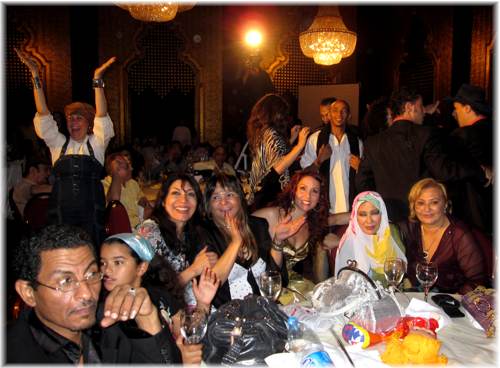
Jillina with Stars after Performance

Jillina after show with Raqia on left and on my right  the famous dancers form the 80s  Azza Sharif & Nelly Fouad .
They were in the front row during my performance . Yikes!

Click photo for enlargement

Have a comment? Use or comment section at the bottom of this page orSend us a letter!
Check the "Letters to the Editor" for other possible viewpoints!

Ready for more?

  • 11-2-09 Ahlan Wa Sahlan Festival, Page 1: Opening Gala Photos by Denise Marino, text by Leyla Lanty and Denise
    It’s June 27, 2009, in Cairo, Egypt, which can mean only one thing – the Opening Gala of Raqia Hassan’s Ahlan Wa Sahlan Festival! 
  • 11-4-09 Ahlan Wa Sahlan Festival, Page 2: Teachers from Around the World photos by Denise Marino, text by Leyla Lanty
    On Teachers’ Night, held on the night after the Opening Gala, teachers have the opportunity to show festival attendees what their special talents are. The next day after this, many go to the registration desk and register for additional classes with teachers they saw in this show.
  • 11-11-09 Ahlan Wa Sahlan Festival, Page 3: Winners and Closing Gala, photos by Denise Marino, Text by Leyla Lanty
    for the AWS 2009 competition included Mo Geddawi, Mona El Said, Nabil Mabrouk, and Katia
  • Dancing With A SuperStar Jillina’s Drum Solo Workshop in Vancouver
    If you have the opportunity to dance with this amazing, educated, experienced, beautiful, and did I mention fun? woman, do not hesitate to do it. It is worth every penny and every minute!
  • An American Belly Dancer: The Significance of Jillina
    workshop sponsored by Amina Goodyear, at Dance Mission, San Francisco, California, January 25, 2004
    It seems quite evident that it wasn’t Jillina’s motivation to become the Superstar title which now precedes her — that she is, in fact, just doing what she loves, being who she truly is, working hard at it — and the rest sort of fell into her hands.
  • Jillina Redoux- Bellydance with Jillina DVDs Reviewed
    On the whole, this is a great set of instructional DVDs. They are top-notch quality and well worth the price. Even the minor annoyances of the camera work on the performance sections is very small compared with the wretched production quality of many comparably priced instructional DVDs. These are definitely top of the line.
  • Belly Dance Super Stars Video Review
    Produced and Directed by Jonathan Brandeis Executive Producer: Miles Copeland."… However, as there is no audience, most of the dancers have a difficult time conveying the emotions of the dance to the video viewer. Only Jillina and Dondi seem to overcome this obstacle. "
  • Jillina’s DVD or All Jillina, All the Time
    In fact, the production quality is exemplary.
  • Keeping Your Love for the Dance Alive
    A dancer’s body is in tune and locked into this higher power by sheer force of nature and no one, not even the dancer herself, can break that bond
  • New Archive Page- Gigbag Checks!
    Video interviews with artists backstage before or after the show. Twenty videos listed so far, more to come!
  • Welcome to the Eleventh Giza Awards, Honoring the Dancers and Videographers of Middle Eastern Dance
    Ever since the dark ages of 1997, the Giza Academy of Music and Legends of Dance has honored dancers and videographers who have explored the art of Middle Eastern dance through film and video. Documenting and sharing our dance provides opportunities for preservation, teaching and furthering our art. The following report was created from the notes for that night
  • Naked Belly Dance in Ancient Egypt, Part 2: Are They Really Naked?
    What does nudity mean in a dance scene like this? And does this nudity reflect an actual practice of naked dancing as banquet entertainment?
 

Gilded Serpent presents...

Keeping Your Love for the Dance Alive

Nepenthe, click for enlargement

by Mandy
posted November 25, 2009

Was I so aware of my body before I danced?  The curvature of my hip, the round bulge in my calf, the stretched skin over my rib cage as I reached toward heaven?  These are the beautiful images evoked when I think of belly dance: strong, beautiful lines created through long practices, training and through sheer love for the art form. 

Whether these lines and curves are found on a petite 110 lb. woman or on the supple, full-bodied temptress is of no consequence.  The shapes and lines of a dancer’s body all speak the same language.  They tell a story of passion for living life, an intense sisterly bond  and the unbreakable connection with a higher power; whether it’s the Great Goddess or God, Mother Earth, Father Time or The Great Nothing.

A dancer’s body is in tune and locked into this higher power by sheer force of nature and no one, not even the dancer herself, can break that bond. 

When the times come that I struggle with a lack of motivation, when dancing becomes like work, when I experience “choreographer’s block,” I must call upon this assurance; that I am inexplicably linked to this higher power; that the lines and curves of my body were created for this purpose.  And the quickest, the most effective, the easiest way to do this is to watch my sisters dance.  When my love feels fickle, when it is waning, they are the ones who save me from myself, and reaffirm the great connection between my dancer’s body, mind and soul with this great, mysterious existence. 

When you are feeling lost inside a lull, take the time to enjoy yourself and your sisters.  Stifle the urge to “accomplish” something, find the perfect song, or to reach technical perfection.  Search for the burning in your breast you felt in the early days, when you lacked all the training, when during the infancy of your belly dance life you just moved on instinct, felt the primordial pulse in your veins and surrendered to this new and unfamiliar feeling.

Watch your sisters with those newborn eyes you once possessed in your early dancing days.  When you watch their bodies curve and twist, shake and vibrate, surrender to the inexplicable electric force that connects you to them like the blood of family and let it teach you.  Never underestimate the power of learning by watching.  Not only does it inspire, but it keeps our deep inner connection with our higher power strong, keeps it fresh and young, with the intensity of new love and infatuation.  If we never lose that, we never lose our drive to better ourselves for ourselves and no-one else.

We never lose our curious need to be sisters, to stay close to others who share our love for the dance, and we never fall away from what for many of us is the most joyful feeling we have ever experienced.  Stay close to your sisters and learn from them every day.  Spend quality time with them, in a relaxed environment that promotes communication and an enrichment of your friendships. 

Each time you witness a friend’s performance, treat the experience as though it were your first. 

You will be rewarded with learning something new at every bend in your journey, and you will take with it a renewed inspiration and affection for the dance.

Photo by Brad Dosland
photo by Brad Dosland


Have a comment? Use or comment section at the bottom of this page or Send us a letter!
Check the "Letters to the Editor" for other possible viewpoints!

Ready for more?

  • Dance – Deeper than the Moves
    A dancer who feels “safe” in the rhythm, footwork, technical movement feels grounded and secure as she dances. A grounded dancer will be less "in
    her head” and allow the authenticity of feeling to come through her body as a flowing, emotive movement that expresses the music and how she “feels” the music.
  • Streets of Cairo- Egyptian Rhythm, Language and Dance
    Cairo’s streets are much like its dance – streams of freestyle movement guided by intuition rather than rules. There are no ‘principles’ as such in both circumstances – it’s the organic-ness of Egyptian life that creates order in chaos.
  • Chelum, a Transcendent State
    They call it chelum, another Turkish term in the Eastern Macedonian dialect. It refers to a transcendent state of dance and music enjoyment fueled by tapanje, zurli, darabouki, tamburi, and of course the ubiquitous Rakija.
  • New Archive Page- Gigbag Checks!
    Video interviews with artists backstage before or after the show. Twenty videos listed so far, more to come!
  • Welcome to the Eleventh Giza Awards, Honoring the Dancers and Videographers of Middle Eastern Dance
    Ever since the dark ages of 1997, the Giza Academy of Music and Legends of Dance has honored dancers and videographers who have explored the art of Middle Eastern dance through film and video. Documenting and sharing our dance provides opportunities for preservation, teaching and furthering our art. The following report was created from the notes for that night
  • Naked Belly Dance in Ancient Egypt, Part 2: Are They Really Naked?
    What does nudity mean in a dance scene like this? And does this nudity reflect an actual practice of naked dancing as banquet entertainment?
  • Ahlan Wa Sahlan Festival, Page 3: Winners and Closing Gala,
 

Gilded Serpent presents...

Welcome to the Eleventh Giza Awards

Honoring the Dancers and Videographers of Middle Eastern Dance

by Gregory Burke
posted 11-17-09

On Sunday, November 1, 2009, the members of the Giza Club gathered to offer up their choices for the best of dance on video. Now mark this, not the best dancers in the world necessarily, but the best and most effective on video. That’s the rationale by which we work.

Ever since the dark ages of 1997, the Giza Academy of Music and Legends of Dance has honored dancers and videographers who have explored the art of Middle Eastern dance through film and video. Documenting and sharing our dance provides opportunities for preservation, teaching and furthering our art. The following report was created from the notes for that night

The Awards Ceremony Begins

“Dearly beloved, we are gathered here today to witness, for better or worse, the marriage of Art and Technology.”

This is all about the role and the history of the Giza Awards, which began as a mission of preservation of dance and dancers who were passing without leaving a legacy for the next generation. At this moment we are now at a point of huge flat video screens and sheer make-believe masquerading as reality. Well, we have seen it and judged it, and it’s not all bad. That’s part of our history also.

We have helped worthy dancers achieve the recognition they deserve. It is not just Amina and
myself of which I speak, but of the hard hours put in by a dozen judges and a dozen more members placing their intellectual muscle where others place their public relations. I thank you all very much, each and everyone.

State of the Art

The Middle Eastern Dance world seems to have three major arenas of interest, or if you like, trends: The Egyptian Dance, The Tribal Style, and The Other: including Fusion, Goth, Central Asian and others.

The Giza Club and the Giza Awards tend to recognize most dance themes and dancers who incorporate “The Middle East” in their work. That is, those countries from North Africa, through Egypt, up to about the Republic of Iran (Persia). Although we consider the entire area, including Turkey, Central Asia, and Persia important…we tend to look at the spiral of events originating in Egypt and neighboring countries and our own American dancers first. However, in a world where we may have six thousand Belly Dance Festivals and Competitions yearly, encompassing every city and in every country on earth, (giving a new meaning to the term: region code), clearly the role and identity of the dance needs to be reexamined.

We received entries from the US and Canada, Egypt, Lebanon, Morocco, Turkey, Spain, France, Germany, England, Norway, Finland, Korea, Australia, and nearly every part of Eastern Europe. The entries arrived on disks of every variety, in every format including Divx. Next year some will be on “memory sticks” or streamed to us.

What has made this possible is the evolution of the simple DVD. The history of the item was first to “archive data and images.” But it turned quickly into an inexpensive tool for transmitting ideas.

The DVD and Technique

In the Belly Dance world, it seems, very few people know how to combine camera, editing and DVD presentation to make it work together as a realistic tool for recording a performance. Remember, we’re not even talking about content yet. There is a popular school of thought that a dance performance should be recorded with a single high-definition camera rather than three older technology cameras. Think of all the mixtures of elements in between and I believe we have the basis for an article on this dicey issue. Note: I said an article you read for free, not a workshop where you pay and learn not a single thing. Oddly enough, this article is just about ready to appear.

Time and Space

It has been several years since we had an awards event and the reason is simple: quantity up and content down. Or as one of our judges said: “Possibly, that years ago the quality of the videos (VHS) was poor, but the quality of the actual dancing experience was greater. Now the quality of the videos range from good to superb, but the quality and profusion of the actual dancing range from fairly good to very bad.”

Technology which has played such a major role in expanding the love of Belly Dance around the world is about to intercede again with the “Online Instruction” implosion. We are not so concerned with the concept of teaching online but with its ramifications concerning the protection of proprietary content.

Waiting on the Window

Basically, the world is waiting for the right window. Watching YouTube is like watching Little Egypt on a Nickelodeon. Yes, there are some “windows” with clear images and few buffering problems, but these innovations must be available widely and at low cost to those who wish to use them. If a dancer wishes to learn a style which differs from that of the content provider, and the provider is willing to present it, where does that visual material come from? Copyright protections in this grey area are virtually nonexistent. But that is a separate discussion for a Giza Club meeting.

The State of the Art as it exists on video has shifted from archiving the important work that influenced us all, to a tool for self-enhancement, like a self-help book that you use to create yourself.

Think of the future. Right now we have experts and instructors who have never danced to a live Arabic band, next we’ll we will have experts and instructors who have never danced to a live audience. That should be called self-evident futurism and could be left alone for now. Let’s get down to the business at hand, talking about who should get an award and why they should.

The Awards

The Awards given today are presented in a prior scenario, where the judges thought the dancing or information was important and should be preserved. We will give two new awards in a category that was unthinkable ten years ago. There are two people that if you think about it, changed the world of Belly Dance, and touched the real world also. Two people who put a dent in the universe as we used to know it. Two people who continue to have major impact on Middle Eastern Dance.

People who changed our World

  • The First Award goes to Lynette Harris and Gilded Serpent Magazine for changing the world with a bit of technology, sheer grit, determination and complete innovation. Many dream it, few do it. Lynette did it.
  • The Second Award is presented to Carolena Nericcio and Fat Chance Belly Dance for creating a complete and commanding dance genre that is a dominating presence in the dance world as a whole.

We have a perfect situation of vision and preparation meeting technology at precisely the correct moment. View or read any of the excellent interviews with Carolena. It is clear that personal vision set her apart from other dancers pursuing a tribal style. To accent the points made above concerning Lynette Harris and Carolena Nericcio I’d like to tell you a story. I was having dinner with a group of well-known visual artists. One painter was describing how he came to imagine each part of his recent and successful show. A second artist, equally well-respected kept interrupting him and pointing out: “I did that.” And then, again,”I did that first.” Finally with a smile, the famous painter looked his critic directly and said, “It is not what you do. It is when you do it.”

With these two awards, that is precisely the rationale used to recognize the strength of these two women and their vision. Now before we go on to the next Awards, I’d like to mention that I miss Edwina Nearing who is not here today. She would be sitting in the rear of the room scowling at me and taking notes. Edwina is the original video compiler and source of rare knowledge.

And I’d also like to acknowledge Bert Balladine, who recently passed away and will be missed by all. He once said, “There are no angles in Belly Dance, it’s all round and smooth, like an ocean, like waves.”

The Giza Award for Best Documentary:”Zrareet!!” by Khadijah Chadly.

This American-born filmmaker and her husband Yassir return to his native Morocco for a family wedding. Khadijah begins to uncover the life stories of several women in Yassir’s family. Intimate interviews of the women juxtaposed with vibrant footage of women’s celebration of life’s different passages tells a new story about Muslim women, the hardship and joys of rural Moroccan life, and the power of family ties. Or as the film is called by its popular title:”How To Train A Moroccan Man And Live To Tell About It!” To my knowledge, this wonderful film is not currently available for purchase. We will work with the maker to see if we can remedy that. There are a number of fairly decent clips of the video on YouTube that you can access..


The Giza Award for Lifetime Achievement:”Journey Through Egypt: Performance & Research “Sahra Saeeda" aka Sahra C. Kent.

This is the last and most recent compilation of archive footage of the regional dances and music of Egypt, supplemented with Sahra Kent’s dance troupe “Ya Amar.”This video, following in the footsteps of Edwina Nearing, Aisha Ali and others, seems to tie together the regional music of Egypt with the use of maps and clear explanations of the differences. As much as we admire and respect Sahra’s work, we implore you to finish this “research” and move on, since most of these images are well-documented already. We find this video to be an excellent beginning primer or quick brush-up on the varied styles of dance and music of Egypt. The beginning Nubian piece is particularly good. As the saying goes around here: you just can’t go wrong with Nubian.

The Giza Award for the Best Cultural Documentary:”Journey of Desire: A Foreign Dancer in Cairo” by Yasmina of Cairo.

After taking her first professional contract in 1989, Yasmina danced everywhere in the Middle East before beginning her solo career in Cairo in 1995. As far as cultural immersion is possible, it is complete with her. Yasmina dances in the major venues, she teaches dance, and works as a photo-journalist and writer for Egyptian and European publications. What is additionally interesting about this video is that it is both a performance piece and a true documentary.


The Giza Award for the Best Classical Theatrical Show presented to a live audience is well-earned: “Enchanted Gardens” Oriental Fantasy XIII. Beata & Horacio Cifuentes.

This production which toured two dozen cities: from Europe, to Canada and the US, then Tokyo and Buenos Aires…has only the Bellydance Superstars to compare itself too. These are the only shows that tour on this scale. But there is no real comparison as they appeal to completely different audience groups. We have been asked why the stream of awards to these two dancers? Are they not guilty of a certain lack of innovation? Well, yes and no. Each year they get noticeably better, until they now exist in class of their own, unchallenged. Therefore the Award goes to the show as a whole for Beata and Horacio’s combined talents.

On the International Scene

I’d like to say a few words on the explosion of festivals and competitions around the world and the nature of material that they submit to the Giza Awards. First, from the very organized, as The First World Belly Dance Competition in Seoul, Korea, with 1500 hundred contestants, sponsored by the Korean Ministry of Culture, televised live and held in a sports stadium. They organized around three basic categories, similar to the description I used when we opened this year’s awards: Tribal, Fusion, and Turkish & Egyptian style. The first prize was won by a Russian woman dancing in the Egyptian style. Now, there’s news: a Russian dancing Egyptian style! Natalya Becker.

Then, I must mention the opposite. A four DVD set of approximately 60 finalists in 13 categories, spanning about nine hours viewing time, with little information on the individual dancers. The mostly Eastern European dancers differed greatly in their skill, training and natural abilities. There were several who could easily have earned an award for a “Rising Star.” Unfortunately, none of these women placed high in the competitions. I would like very much for the promoters of such shows to continue to send us material. Please, run a tighter show, exercise camera focus and post some indentifying information on individual dancers.

The Giza Award for the Best Instructional:”Master of Egyptian Choreography, Volume One” Randa Kamel Produced by Natasha Senkovich.

Randa’s fluidity of movement and ease of body communication makes her an easy selection as the most influential dancer of our time. To see is to believe as she glides through teaching with calm and relaxed movements. Randa speaks and Natasha translates and narrates. This is generally considered a “must buy” DVD if you are interested in Randa’s unique style.


The Giza Awards received a submission of a Homage to Mahmoud Reda, entitled “A Life for Dancing”.
In it were a number of different European Reda-influenced Troupes re-enacting regional dances modeled rather exactly on the original versions…In the Folkloric Category, we would like to present an…

Honorable Mention Award to: “A Life For Dancing” Nesma of Spain, Director and Producer.

Performing groups and individuals: Al-Andalus Danza, Spain; Masrah, Finland; Nawal Benhabdallah, France; Rebecca Wildi, Switzerland; Saad Ismael, Italy. The video seemed to the judges as a sincere attempt to replicate a form of Egypto-ballet made politically popular some years ago.The validity of the Reda Troupe is still a subject of rather fierce debate. Along with this clip, we showed a clip of the actual Reda Troupe performing, which we hope will clear up any issues over why the “homage” is receiving an “Honorable Mention” and not a full Award. However, the video is a respectful attempt at reproducing this particular dance form with Nawal Benhabdallah of France doing excellent work. But the judges had concerns of yet another troupe turning to an “homage” video to create their own “homage” video which was one or two generations removed from reality. If you are interested in the Reda Troupe, we urge you to find the early tapes and study them.

The Giza Award for the Best Traditional Nightclub Show, Egyptian Style goes to: “Farha Tour 2006,” Farida. Producer.

Starring Yasmina of Cairo and Randa Kamel, and featuring many other elemental stars of a full and complete nightclub show. The clip we presented is of Randa dancing. Which led easily into our final award….

The Award for the Best Solo Dancer: Randa Kamel, of Egypt – Performance DVD (France)

This came as no surprise to anyone present and anyone who had watched the videos. Randa is very good. Perhaps there is no better dancer in this style.

We have a special feature to conclude the Awards event this year, as we make the transition into the live music mode. From the 2006 opening of Raqia Hassan’s Ahlan Wa Sahlan, Dina taking the stage and dancing as only Dina can. As Bert would have said: “Steps are secondary, we work on expression, your expression. Grab the audience…pull them toward you.”


On behalf of the Giza Awards 2009, thank you.
Amina Goodyear, Gregory Burke,
and the worldwide members of the Giza Club. 2009.

Tenth Giza Academy Awards 2007

Ninth Giza Academy Awards 2005

  • Best Live Theatrical Performance: Egyptian Love Affair – Horacio and Beata Cifuentes
  • Best Documentary: The Belly Dancers of Cairo Natasha
    Senkovich
  • Historical Documentary of a Troupe: Tribal Travels: a Collage Paulette Rees Denis and Gypsy Caravan
  • Best Troupe/Live Performance: Hahbi’Ru Tradition Legendand Folklore John Compton and Hahbi’Ru
  • Veil: Instructional: Oriental Fantasy – Veil, Beata Cifuentes
  • Lebanese Dance – Instructional: Raqs Sharqi Lubnani Meissoun
  • DancersArms – Instructional: Dancers Arms Aruna
  • Most Influential Person in Middle Eastern Dance: Raqia Hassan
  • Dancerof the Year – The SuperStar: Dina

Eighth Giza Academy Award 2004

  • Folkloric: The Algerian National Ballet The Algerian National Ballet (2004 U.S. Tour
  • Preservation of the Dance: Hossam Ramzy & Aischa The
    Stars of Egypt
    (7 volume series)
  • Dance Legend: Nadia Gamal Nadia
    Gamal – The Legend
  • Best Inspirational: Instructional: Lulu
    Sabongi
    At Khan al Khalili – Volume 9
  • Oriental Dance Choreography: Instructional-Horacio Cifuentes Raks Sharqi (Adv. level)
  • Egyptian Saidi Technique: Instructional Cane, Nourhan Sharif Rakset Assaya
  • Drum Solo: Instructional: Beata Cifuentes Oriental Fantasy – Drum Solo
  • Specialty Dance, Live Performance: Melayya Lef, Sahra Saeeda The 6th Awards of Belly Dance
  • Best Troupe: Ya Amar The 6th Awards of Belly Dance
  • Best Classical Dance, Live Performance: Beata Cifuentes Highlights of Oriental Fantasy VI, VIII,& IX

Seventh Giza Academy Awards 2003

  • Documentary Award: DeAnn’s Dream
  • Best Choreography. Performance for a Classical Dance: Sahra Belly Dance
  • Solo Dance- Persian Interpretative Style: Louchia -Belly Dance -IAMED
  • Instructional – Specialty: Anaheed -Classic Cabaret Floorwork -IAMED
  • Instructional: Jillina Instructional Belly Dance with Jillina
  • Traditional Solo Dance to Live Music: – Virginia EAOD-5th Annual Oriental Dance Gala
  • Rising Star – Interpretative Style: Sa’Elayssa Rocking the Casbah IAMED
  • Solo Dance, Live Perf, American Gypsy Style: Mesmera – Zambra Mesmera, Gypsy Belly Dance
  • Best Troupe – Fusion Dance: Jillina’s Troupe Sahlala Rocking the Casbah- IAMED
  • Lifetime Achievement: Mimi Spencer
  • Best Production: Forbidden Art produced by Shahrzd
  • Solo Dance – Turkish Inspired "Cabaret": AmiraMor – Belly Dance your way to your Soul Mate
  • Dancer of the Year: Jillina Instructional Belly dance with Jillina

Sixth Giza Academy Awards 2002

  • Documentary: Ray Schmitt & John J. Wayne, Adriana: Shadows on Yellow Silk
  • Instructional: Nourhan Sharif, An Introduction to Belly Dance Technique
  • Choreographyfor the Camera: Katia, Dance Katia Dance
  • LifetimeAchievement: Dahlena
  • Troupe: Adam Basma, Middle Eastern Dance Company, Live in Concert
  • Rising Star: Randa, Raqia Hassaan Oriental Dance Festival Cairo 2001
  • SoloDance (Traditional): Leyla Jouvana IAMED’s 5th Annual Awards of Bellydance
  • SoloDance (Interpretative): Mesmera, Hollywood Babylon – IAMED
  • Production: Hollywood Babylon, Suzy Evans of IAMED

Fifth Giza Academy Awards 2001

  • Documentary: Raimond Koplin & Renate Stegmuller, The Queen of Mohammed Ali Street
  • Folkloric: Dr. Robyn Friend, Dances of Iran
  • Instructional: Drum Solo with Jillina -IAMED
  • Choreography: Sahra, Sahra Saeeda-Performance Volume III
  • Lifetime Achievement: Mahmoud Reda
  • Troupe: Emerald Dreams, Tamalyn Dallal, Director, Miami, FL, Infinito
  • Amina’s Choice- Most Inspirational: Delilah, Absolute Beg Bellydance
  • Rising Star: Amir Thaleb, Buenos Aires,Argentina , Infinito
  • Solo Dance (Live Music): Fahtiem, Festival on the Nile XX
  • Solo Dance (Recorded Music): Zahra ZuhairIAMED The 4th Annual Awards of Belly Dance
  • Production: Tamalyn Dallal, Infinito

Fourth Giza Academy Awards 2000

  • Documentary: Brita Landoff, A Little for My Heart and A Little for My God
  • Outstanding Choreography: Shareen el Safy, Weadirt Toghor
  • Instructional: Aisha Ali, Tunisian Rhythms and Raqs Shaabi & Dances
    of N. Africa
  • Troupe: Sahraand Ya Amar Dance Troupe, Al Dunia
  • Performance Solo Dance: Fahtiem, Queen of the Nile

Third Giza Academy Awards 1999

  • Documentary: Gary Conklin/Mystic Fire, Paul Bowles in Morocco
  • Documentary (work in progress): Cara Currie, Egyptian Dance
  • Outstanding Choreography: Raqia Hassan (perf. by Katia) Raqia Hassan Volume III
  • Instructional: Shahrzad Khorsandi, Classical Persian Dance: Level I
  • Traditional Arabic Dance: Cheri Berens, Belly Dance Basics – Beg through IntI
  • Troupe: Paulette Rees Denis and Gypsy Caravan, Caravan Trails
  • Performance Solo Dance -Interpretative: Delilah -IAMED 2nd Annual Awards of Belly Dance
  • BestTraditional Dancer – Raqs Sharqi: Jillina, IAMED 2nd Annual Awards of Belly Dance

Second Giza Academy Awards 1998

  • Documentary: Honorable Mention: National Geographic, Cairo Unveiled
  • Documentary: Amaya, Amaya’s Gypsv Fire
  • Lifetime Achievement: Morocco,for her series of documentary videos
  • Instructional: Hadia, Oriental Dance, Raks Esharqui
  • Live Performance – Troupe: Paulette Rees – Denis & Gypsy Caravan, Initiation
  • Live Performance -Most Promising New Star: MarzueIAMED 1st Annual Awards of Belly Dance
  • Live Performance -Solo Interpretative: Cassandra,(Zar)- IAMED 1st Annual Awards of Belly Dance
  • Belly Dance: Delilah, Live and Wild
  • Traditional: Lucy, Cairo Unveiled
  • Choreography for the Camera:?
  • Innovative: Delilah, Sacred Circle in Live and Wild
  • BestEntire Video: Paulette Rees-Denis & Gypsy Caravan, Initiation

First Giza Academy Awards 1997

  • Documentary: Honorable Mention: Sonja Radvila, Hootchie Kootchi
  • Lifetime Achievement: Aisha Ali, Dances of Egypt
  • Instructional: Baraka, Dancer’s Toolkit 
  • Live Dance -Troupe: Paulette Rees – Denis & Gypsy Caravan, The Turning
  • Lifetime Achievement: Bert Balladine 
  • Most Promising New Star: Tahiya, Moon Over Morocco 
  • Live Dance -Solo -Interpretative: Suzanna del Vecchio, Pearl Moon
  • LiveDance -Solo -Traditional: Dahlal, Moon Over Morocco
  • Choreography for the Camera: Phaedra Ameerah, Pearl Moon

Have a comment? Use or comment section at the bottom of this page or Send us a letter!
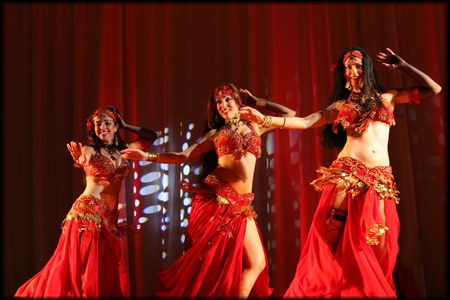
Check the "Letters to the Editor" for other possible viewpoints!

Ready for more?