Gilded Serpent presents...

Undercutting the Competition

A Problem of Ethics or Practicality?

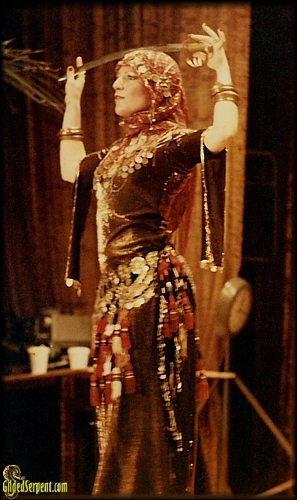
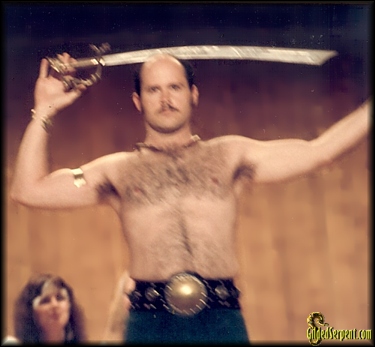
Terry performing at Petra

by Terry Del Giorno
posted December 8, 2011

I think we can be assured that Randa, Dina and Asmahan do not  have a dialogue about what to charge (after they pay their teams of musicians, dressers, managers etc).  Nor did Nagwa, Mona, or Fifi share tea over the subject. They charged what they wanted, what their fans would pay. If they didn’t get what they wanted, I doubt seriously that any of those fanan, current or past, would fall below their own established rates.

I grew up in a time where we didn’t discuss our fees; it was a time when you didn’t talk politics with people you didn’t know or even ask them about it. It was also a time before one could look on line and find out incomes and pensions of county workers.  It was long before you could look online at a menu of prices on a dancer’s website. In theory, I concur with others who have written about this before:  yes, we should agree on a starting price.  Undercutting happens, and it is wrong!

 However, in the real world, I think that, as professionals, we shouldn’t dance for less.  In fact, maybe we should charge more!

Consider the budding student of dance who undercuts the professional at a restaurant gig.  If the restaurant or club stays open long enough, and she works there long enough, it will become obvious that she’s not a professional in so many ways.  She may pick the wrong music (such as using Debke for a Greek audience or a Loreena McKennitt song for the Lebanese Association Valentine’s dinner) …you get my drift.  She might call in at the last minute and cancel, or worse, not show-up, because something else “came up”.  She won’t know how to cover for the mishap that often can happen early in a performer’s career, making it part of her show …costume malfunctions,  customers who are out-of-line, music mishaps, musician misunderstandings. (Don’t ask; I won’t tell!) God forbid, she might even perform a second set without charging! She won’t be able to respond in a cultural context to her audience, etc. Eventually, it will become obvious. Even the costumers will be able to tell. If the establishment has a reputation of any kind, she won’t be there long.  In comparison, a professional dancer will help an establishment!  Her performance will encourage repeat business for the owners as well as develop her following of fans. 

Undercutting also occurs within the general public.

I recall an agency with which I used to contract. There was a fee schedule for women who looked like Belly dancers (They just dressed up like one and added to the atmosphere!) and a different one for “real” dancers. The agent was sensitive and savvy enough to realize there was a difference!  With the vast amount of online advertising that promotes Belly dancers today, I think the sharpest  web-page layouts and top search results, along with a cheaper price (and of course, the visual appeal) are what will appeal to mainstream.  For some dancers, this might be their most effective gig generator.  In contrast, the performer of yesteryear developed her following and reputation by working a lot, and hence, word-of-mouth was how her reputation was developed; it was not created by a website. This was the time (for me anyway) during which a dancer could charge and receive what she charged with ease–without  “shopping around” or “Googling” for a cheaper price that occurs today.

 The Internet presence has created a whole new style of “elitism” in the dance world.

Its standards are Photoshop, high-end graphics, certification, and merchandise. All of this requires an amount of assertiveness for  a dancer who has relied previously on talent, ethics, and authenticity to be considered valuable and command the attention of the general public as it surfs the web.

Like other industries–music, musicians, singers, comedians, sports and athletes (especially)–name their price and get it (…amazingly, even though more than half the world’s population lives in poverty).  You can engage a cover-band for approximately two thousand dollars to appear at a wedding and play Rolling Stones tunes, but you can’t get the Stones to come for that small amount!

In the San Francisco Bay Area particularly, yes, there has been undercutting.  For 20 plus years, I have not only had my own, long-established gigs, but I have “subbed” for my dancer friends and club owner friends.  My dance buddies like my track record because I would never steal their gigs, and club owners like it because they know they will get what they pay for.  There are some places for which I will no longer substitute; they are paying dancers the same (if not less) than what I have previously charged them.  (This is not just last year’s price, but the price of a dance a decade ago.)

Advanced students and budding professionals will work occasionally for significantly less money than established dance personalities. The consumer will pay what he wants, and will receive what he pays for.  There are some consumers with discriminating tastes who are happy to pay a professional dancer.

I think the “fananas” out there who have been working their art for some time and have cultivated long standing relationships with their clients, would be reluctant to keep within an “agreed industry standard”.

You don’t want to rob anyone of his or her hard earned dollars, but your art shouldn’t be given away.  Your prices for real dancing shouldn’t be less than “a walk-around” from an agency, or less than what you have charged in the past.  Therefore, teachers, tell your students.  Dancers, talk to other professionals in your area (…or check their websites)! Check the current rates.

Nowadays, there are a variety of venues to perform, with a variety of distinctions in the dance and the dancer. 

I say let the consumer beware….you get what you pay for.  If you want a 20 thousand dollar Scion Toyota, you can get one; if you want to pay more for a BMW you can get one of those.

use the comment box

Have a comment? Use or comment section at the bottom of this page or Send us a letter!
Check the "Letters to the Editor" for other possible viewpoints!

Ready for more?

  • Calling all professional dancers! How much do you charge?
    Over the years, we dancers have unwittingly kept the general rate ridiculously low in restaurants and nightclubs.
  • 2011 Eliat Festival with T and A!
    Eilat is a bustling attraction for many tourists, boasting world class beaches, diving, and great weather, which was one reason that we picked this destination in January!
  • Becoming a Fanana of the Belly Dance
    Instead of a musical slave, I believe it is your calling as a dancer to interplay with the music.
  • How to Charge What You Are Worth
    The first step to becoming an effective negotiator is to emotionally detach yourself from the outcome. If you can’t walk away from the deal, you have already lost.
  • Ask Yasmina #12: The Importance of Oum Kalthoum, Undercutting, and Kid Bellydancers
    When a client hiring a performer or a student looking for a teacher is at a point where they want quality, they know they have to pay a fair price.
  • Bully Belly
    For example: a promoter is thinking about planning an event and is talking to a friend and says, “I can’t help it if some other teacher has planned a show on the same day or night; they are different styles anyway.”
  • Interview with Nawarra of the UK and Morocco
    We met Nawarra in Marrakech, at Simona’s Mediterranean Delight Festival held there in June 2011. Nawarra grew up in Casablanca graduating from the university there. She now lives in Leed, near Manchester in Northern England. She has a troupe there, teaches and also takes several tour groups per year back to Morocco. She explains to us the term "sha’abi" and how it is used in the Moroccan dialect of the Arabic language.
  • A Month in Cairo, Egypt, Classes, Performing with Safaa Farid Band, Closing Gala, Classes at AWS
    She finished off the teaching part of the class with a cane dance filled with a variety of cane movements that were playful and fun. At the end, she had a real treat for us: She performed a short Oriental number in her unique style for us to watch and enjoy.
  • Gigbag Check #32 – Tito Seif
    In October, 2011, we found Tito Seif backstage at Hala’s Show in Redwood City, California. Tito is currently the most famous male dancer in the world. He shows us several of his costumes all of which he designed. Also included is a clip of one of his dances at Hala’s wonderful show. Thank you to Hala and Tito for your time and sharing.
  • From Syria with Love! Queen of Denial, Chapter 6: My Arrival
    You may think that the life of a traveling Belly dancer is filled with intrigue and love affairs, but this couldn’t be further from the truth!
  • Know Your Bellydance Audience
    A part of us may feel like we’ve earned an audience because we’ve worked so hard and perform a quality show. But the truth is that you have to win an audience every single time.
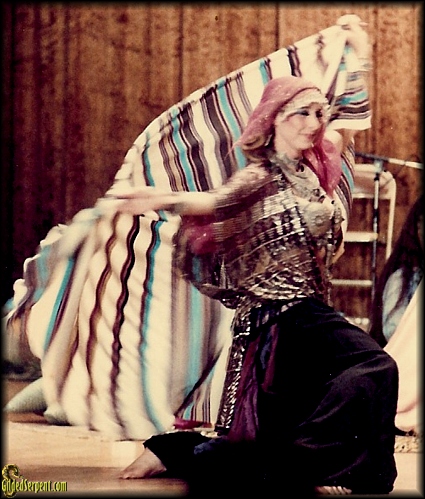
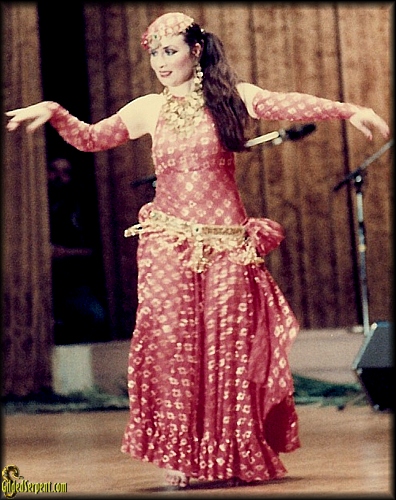
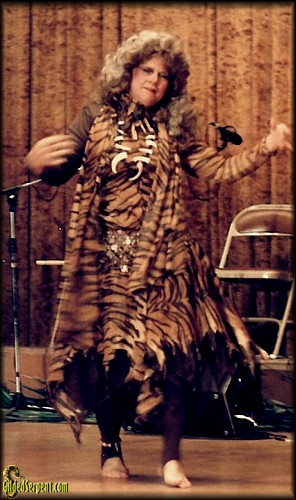
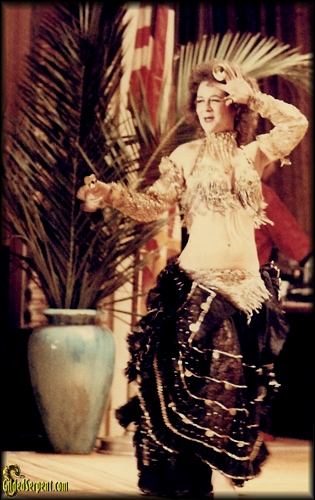
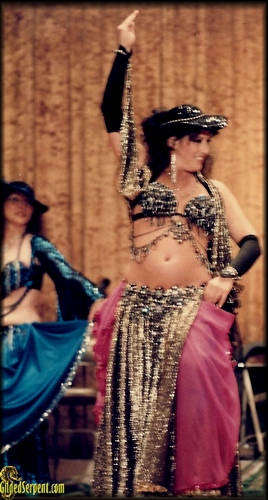
  • A Gilded Serpent Time Capsule Presentation, Rakkasah 1984 and 1986 (25 years ago) Photos by Lynette Harris
    While taking a nostalgic look through my photo albums recently, I realized that if I was ever going to share these photos, I had better go ahead and scan them into the computer now before they deteriorate even more than they already have. Yes, they are discolored and blurred, but I think they will be of some value to those who pay attentions to costume styles or those who were there and simply enjoy re-visiting the memories
 

Gilded Serpent presents...

A Month in Cairo-Report #4

Classes, Performing with Safaa Farid Band,
Closing Gala, Classes at AWS

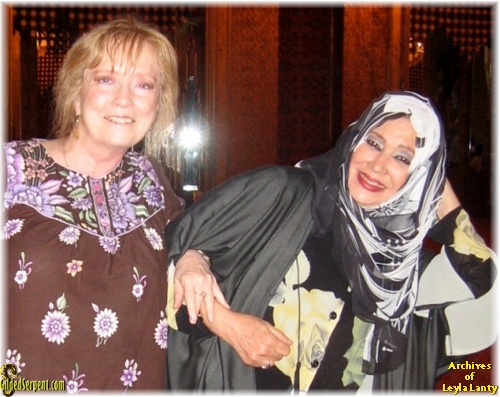
Azza and Leyla, Click for enllargement
Leyla and Azza Sherif after class.
Click photo for enlargement

by Leyla Lanty
posted December 1, 2011

At the end of June, the work and play program of the Ahlan Wa Sahlan Festival began, with classes in the mornings and afternoons. Superstar and master classes were 3 hours long;  folkloric and beginner’s classes were 2 hours long.  If I seem to be name-dropping the superstars and famous musicians, it is because I want to show how most of them are easily approachable and how they appreciate us as students of the art of Raqs Sharqi.

Azza Sherif

Azza Sherif taught her 3-hour Superstar class by the traditional “I lead; you follow” method, keeping her eyes on the students and making corrections as needed.  I felt honored that she remembered me from last year and greeted me with a warm hug and kisses.

Her first choreography was an Oriental number in her classical style to a song by Warda.   It included sensuous,  internalized torso moves, followed by some sweeping moves with unusual turns, using the length and width of the stage, then back to more torso moves and level changes, expressing the meaning of the love song.  Secondly, she did a new (to me) take on “Alf Layla Wa Layla”, treating each of the many stops in the music with its own unique movement, changes in direction, focus, quick level changes, etc.  She continued the session by teaching a cute and playful Melaya Leff  which was much more appealing to me than the “come-on” (flirting) style I’ve seen done by many dancers.  She finished off the teaching part of the class with a cane dance filled with a variety of cane movements that were playful and fun.  At the end, she had a real treat for us: She performed a short Oriental number in her unique style for us to watch and enjoy.

Dandesh

In the photo: Leyla and Dandesh after class

Leyla and Dandesh after class

Super Star Dandesh’s class was a happy 3 hours of soaking up her sweet sauciness.  First she taught an Oriental number with her signature flat-footed landings on certain movements along with moves on upbeats (in addition to downbeats) and some of her other original dance accents.  She added some moves, reminiscent of Suheir Zaki, (to whom she is often compared) and even did some floor work with a few sassy hip moves.  Then she performed it for us.  Wow!–it was a mini show!  She has retired from performing so this was a rare occurrence that all of us enjoyed thoroughly.

Raqia Hassan

In the photo: Leyla and Raqia after class

Leyla and Raqia after class

Raqia’s Super Star class concentrated on a choreography to a popular song in Sha3abi (of the people, the street) style.  It was full of surprising weight changes, moves on upbeats rather than downbeats, many level changes (ball of foot to flat with knees bent).  In giving guidance to us, she said “Oriental is small moves. Folklore, including Sha3abi, is bigger moves.”  She gave examples of how a move would be done in both Oriental and Folk styles.  Her Sha3abi is crisp but subtle rather than flashy, balletic, or athletic.  The style is cheeky but not sleazy, teasing but not promising.  

Performing with Safaa Farid’s band

Photo by Denise Marino
“Call and Answer” with the drummer.
Safaa Farid is behind the accordion player.

Photo by Denise Marino

The fourth night of the festival was the night for which I had signed up to dance with the Safaa Farid Band, who play for Cairo dance star Leila Farid.  The first time I danced with them, at AWS in 2010, was a fantastic experience.; so I felt that this time would be even more fantastic.  Before the show, when signing-in for my performance, I talked with Debbie Smith about adding a short drum solo with a “call and answer” with the drummer.  Later, after consulting the lead drummer, she told me he asked, “Was she here last year, and she did Saidi?”  When Debbie said yes, he said, “Definitely okay.”  When I danced, it was apparent that the other band members who played last year remembered me too.  It is flattering to be remembered by the musicians! My show started with a long keyboard taqsim introduction and was incredibly fun for me.  It was a “Saidi Cocktail” (a medley) plus drum solo with call and answer.  I received compliments afterward from several of the Egyptian teachers.  Three little Egyptian girls who had watched me said they liked it too. (Could it have been because, unlike many other dancers, I directed some of my dancing toward them?)  What beautiful memories these are!

Closing Gala

The Closing Gala, held at Abu Nawas, the Mena House Nightclub, was a fine way to end the festival!  There were several dancers, including some of the AWS teachers and stars from all over the world, all of whom did unforgettable performances.  I shared a table with an adequate view with Elisa from Australia, Rosadela from Spain (one of the AWS teachers) and her daughter and friend.  All performers danced with Safaa’s band and then Leila Farid did her whole set with them.  The bandleader, Safaa Farid, is her husband, and she regularly performs with them in Cairo.  After that, Jillina did a 3-costume show with another local band that was excellent.  Safaa’s band had 12 pieces plus 2 singers; the other had 15 pieces plus a singer.

Singer Ahmaed el Khatiib

Last, an up and coming star, Ahmed el Khatiib, sang, accompanied by his own band, and we all danced.  I left at 2:30 a.m., but I’m sure the party continued at least until 3:00 in the morning.

In the photo: Ahmed el Khatiib “rak-ed” the house for us!

Ahmed el Khatiib “rak-ed” the house for us!


Although somewhat scaled down this year, Ahlan Wa Sahlan 2011 was a roaring success and an inspirational experience.


Up next: back to reality–weddings, shopping, and more…

use the comment box

Have a comment? Use or comment section at the bottom of this page or Send us a letter!
Check the "Letters to the Editor" for other possible viewpoints!

Ready for more?

  • A Month in Cairo, Egypt, Report No. 2: Housekeeping, Internet, Costume Shopping, Reconnecting with More Friends
    When I think of my first trip here in 1977, I can see what amazing changes have occurred since then – most of them for the better.
  • A Month in Cairo, Egypt, Report No. 1: Settling In, Post-revolution Egypt, Reconnecting to Life in Cairo
    No one has ever seen the square being used in any of these ways over the last 30-some years. Everyone has remarked about this and is happy about it.
  • Is "Cabaret" a Dirty Word? Using the Terms Cabaret vs. Night Club
    So, is “cabaret” a dirty word? It depends on whose definition you want to use! In Arabic, the name “cabaret” is interpreted differently from what it is in English, leading to the confusion about nightclubs and cabarets. Here in the U.S., we think of a cabaret as a synonym for nightclub.
  • I Dance; You Follow
    As Westerners interested in an Eastern dance form, we might want to ask ourselves if we are missing certain critical aspects of Raqs Sharki because we are not open to Eastern teaching methods.
  • Follow the Bouncing Butt; in Defense of a Teaching Method
    Some of the "Follow Me" teachers should be more aptly described as "inspirationally oriented".
  • Gigbag Check #32 – Tito Seif
    In October, 2011, we found Tito Seif backstage at Hala’s Show in Redwood City, California. Tito is currently the most famous male dancer in the world. He shows us several of his costumes all of which he designed. Also included is a clip of one of his dances at Hala’s wonderful show. Thank you to Hala and Tito for your time and sharing.
  • From Syria with Love! Queen of Denial, Chapter 6: My Arrival
    You may think that the life of a traveling Belly dancer is filled with intrigue and love affairs, but this couldn’t be further from the truth!
  • Know Your Bellydance Audience
    A part of us may feel like we’ve earned an audience because we’ve worked so hard and perform a quality show. But the truth is that you have to win an audience every single time.
  • A Gilded Serpent Time Capsule Presentation, Rakkasah 1984 and 1986 (25 years ago) Photos by Lynette Harris
    While taking a nostalgic look through my photo albums recently, I realized that if I was ever going to share these photos, I had better go ahead and scan them into the computer now before they deteriorate even more than they already have. Yes, they are discolored and blurred, but I think they will be of some value to those who pay attentions to costume styles or those who were there and simply enjoy re-visiting the memories
  • 2011 Eliat Festival with T and A!
    Eilat is a bustling attraction for many tourists, boasting world class beaches, diving, and great weather, which was one reason that we picked this destination in January!
 

Gilded Serpent presents...

From Syria with Love!

Queen of Denial, Part VI: My Arrival

Rebaba performs on a table in Syria
Me, dancing on a table at the Mogambo! During the warm months from May through October the club is outside as you can see from this photo, long tables under trees.

by Rebaba
posted November 28, 2011

Syria o GlobeIn 1981, I traveled to the first Middle Eastern country in which I was contracted to perform, Aleppo, Syria.  At the time, I knew very little about this country other than from headlines I read occasionally about the fighting and support Syria provided to the Lebanese Shiite extremists. To be honest, I barely knew where Syria was located on a map.

 I had no real knowledge of its people and culture apart from the fact that they were Arabic speaking and located on the ancient “Caravan Trail” to Jerusalem. (Actually, my mother told me this fact before my trip.)

In the years since living and working in Syria (and the other countries in which I visited and performed while “on the road”), many people have asked me if I was scared to be a woman, traveling alone in the Middle East, to which I always laugh and reply with my own question, “What could there possibly be scary about traveling alone in Syria?”  Well, there were many reasons I could have and possibly should have been scared to travel alone in Syria, and any of the other Middle Eastern countries to which I eventually traveled and worked in the early 1980s.  However, as fate would have it, I learned as I went along, and my ignorance actually served me well because I had no fear until I was right in the middle of whatever was happening in the country at the time of my arrival. By then, I just had to learn to cope.

Abu Jamal and my agent
Abu Jamel and my French agent Marie Saxe
who came to visit when I first arrived in Aleppo

For example, immediately, I learned upon my arrival in Syria in 1981 that Syria was in a perpetual state of war which meant that the general population, men and women, ages 16 though 30, were soldiers.  The population of young people (that was located in and around Aleppo, Syria) were most often seen riding in jeeps and tanks, “camoflage-clad” and carrying weapons with them everywhere they went of course (as you and I would carry our purses and wallets).  My first memory of Syria was landing in Aleppo and seeing all the tanks lined up on the runway as we taxied into the plane’s parking space.  As I walked across the tarmac towards the entrance to the airport, my attention was drawn to the airport personnel doing their jobs just as they do here, but with the addition of rifles and Uzi machine guns resting against whatever and at arm’s reach!  I watched them moving around doing their jobs, ever so nonchalantly, and it was at this point that clearly, I remember thinking for the very first time that “Yes, there might be something to be scary here in this new exotic land that was to be my home for the next three months.”

I entered the airport walking in a sort of dream state as I gazed out at the war zone in which I had just landed, and then I heard my name called out.  As the sound of my name finally penetrated the daze I was in, I focused on a tall, slim, and very grandfatherly looking gentlemen waving and coming towards me! (I must have been easy to spot since I was out of military uniform!)  This gentleman was the owner of the Mogambo Supper Club in Aleppo, where I was contracted to perform six nights a week for the next three months.

Being the new entertainment in a small town has its benefits, especially in a war zone where entertainment is more important than, …well, almost anything!  My new boss had already retrieved my luggage and whisked me through customs so fast that we were out of there and seated in his large Mercedes sedan in less than 30 minutes!

The drive into town took us through two check points where Abu Jamal (my new boss) obviously was known to the soldiers who were checking my passport and his identity papers.  He chatted and laughed in Arabic and then switched into French to introduce me, the new Belly dancer, and invited them to his restaurant with their families.  I later learned that single men (with and without their weapons) were not allowed into the Mogambo.  Abu Jamal told me that his place was a family restaurant (and it truly was), and only cabarets in Aleppo allowed single men through their doors (which at that time most often meant  soldiers carrying weapons).  After my arrival at the Aleppo airport (that looked “under siege” to my way of thinking) anything “family oriented” sounded real good!  As you can imagine, I was already fighting back visions of gun fights over my attentions as the “new Belly Dancer in town”… Rebaba, Jon and Sam

We arrived at my new “home” which was a quaint hotel in the center of town where Abu Jamal housed all of his foreign entertainers.  At the time, these other entertainers included a brother and sister act consisting of two English dancers from London; they were to become my close friends and actually greeted me with hugs upon my arrival as Abu Jamal introduced them to me.  I’m sure that my being an English speaking person pretty much insured our friendship as neither of them spoke any Arabic or French (the second most commonly spoken language).  The two of them, Jon and Sam accompanied me up to my room on the top floor of the hotel.  Jon never stopped talking and was absolutely hilarious!

You have to envision my new “best friends” to fully understand that every time we left the hotel, we created quite a stir amongst the locals.  Jon was very slim, with a shaved head (way before it was fashionable), and wore bell-bottomed pants as tight as possible with high heels. (Oh yes! He was outspokenly gay).  Jon’s sister, Sam, (Sam was short for Samantha.) wasn’t as colorful as Jon, but, being tall, slim, and a stunning blond English girl made her stand out in Aleppo just as much her brother.  When you added the “Belly dancer” to the already colorful couple, we made quite the trio walking down the cobblestone streets of Aleppo.

The next day my new “best friends” took me on a walking tour of the town, and I fell in love with this charming small city (or large town).  What a beautiful little city Aleppo was, and hopefully, still is.  The older sections of town were built circling the foot of the ruins of the original ancient Citadel of Aleppo dating back 3000 B.C. (on top of a plateau).  Aleppo is known for its university, housing the largest archaeological department in the Middle East (except in Cairo).  I have no idea if this is still true, but I was informed by the curator of the archaeological museum housed in the University of this fact during my first visit to the museum.  We made a big circle, walking first up towards the Citadel and the old section of town, and then down winding little streets to a beautiful park, a smaller version of the Jardins Luxemburg (designed by the same man who designed the original and much larger version in Paris, France).  


Aleppo
Aleppo seen from the top of the plateau and the Citadel.
Aleppo
Same, the other side of town.
Garden
The gardens in the middle of Aleppo, designed and modeled after the Jardins Luxemburg in Paris, France.
Garden
Same. with a dignified fellow resting on a bench in the gardens.

From the park, we walked to the little commercial district where Jon showed me the best tailor, shoe maker, barber, and music store!  All the essentials for surviving in this quaint, picturesque town!  By this time, we were exhausted, and headed back to our hotel to rest and rejuvenate for the afternoon’s festivities. Both Jon and Sam were being very secretive about their surprise for me and what exactly these festivities were going to be.  By this time, I trusted them and knew them both well enough to assume whatever it was, it was going to be fun.  Jon was a real hoot, and I could imagine him getting me into lots of trouble even after just spending one morning with him!

Jon and Sam came to my room at 2:30 p.m. or so, and the three of us made our way to what could only be described as a cave.  Actually it was the basement of an old stone building about a 10 minute cab ride from our hotel.  We entered this dark, cool, smoky, candle lit, and fairly large room, that had a full bar, little round cocktail tables and red vinyl booths along one wall.  There was also a good-sized dance floor.  My Goodness! I was in a nightclub at 3:00 p.m. in the afternoon!  However, the ambiance worked, and I immediately felt like it was at least 10:00 pm at night!  The clientele was made up of all young people ranging in ages from about 18 to (maybe) 30 years old.  Michael Jackson’s voice was blaring from a DJ stand and there was, of course, the obligatory mirrored ball in the center of the dance floor which was packed with young people dancing together.  So, this is how young folks in Aleppo actually met each other, flirted, and found their boy and girlfriends (or “hooked-up” as they say now days)!  I was in the “underworld” of Aleppo on my very first day!  Believe me: out on the street you never, ever saw a mixed couple holding hands at almost any age apart from the elderly and even then it was extremely rare.  It just wasn’t done in Syrian society, and I have experienced the same thing in all the Middle Eastern cities I’ve visited since then.

This “Tea Dance” was part of Jon and Sam’s big secret–the one that they had been whispering and giggling about since we left the hotel.  I figured I would learn soon enough what the heck was really going on, and I did (in part) when we entered the club, and my other surprise showed up shortly! Jon, Sam, and I were all standing together, allowing our eyes adjust to the darkness of the room, when I was tapped on the shoulder by a real cute guy who looked somewhat familiar.

Georges
My Georges in all his tan cuteness, at the front desk of our little hotel.

Unbeknown to me, I had been “set-up” by my lovable new friends!  He looked familiar because he was our hotel’s daytime Front Desk Manager!  His name was “Georges”, and he was tall, handsome, and I would later find out that he was newly single (a fact he confessed to Jon when Jon tried flirting with him sometime before I arrived in Aleppo).  I quickly learned that although he had spoken to me in Arabic and very broken English when I checked in at the front desk of our hotel, actually, he spoke fluent French!  I still didn’t know that his being at the club had been secretly arranged by Jon that morning when Georges said something to him about my being “his type”. Finally, I heard the entire story much later on that evening when my constant questions made Jon spill his guts to me in our dressing room.

Nonetheless, I couldn’t believe this was really happening to me in little ole’ Aleppo.  You may think that the life of a traveling Belly dancer is filled with intrigue and love affairs, but this couldn’t be further from the truth!

 The fact is that, since moving to France to dance in Paris in 1979, I could count on one hand how many “love affairs” I had experienced.  Since going on the road, I had one in Zimbabwe, but he was engaged, so I was just his exotic “girl on the side” who was (conveniently) leaving in a month!  Not to say that I didn’t have admirers, but an actual boyfriend? …never! …until now!

With our first dance together, we found that we were a good fit physically, but I didn’t yet know him.  However, I remember distinctly how wonderful it felt the first time he put his arms around me as we moved into our first “slow” dance together.  My body arched into his and all kinds of suppressed sensations started going off inside me!

During the next six months, Georges and I hardly spent a day apart. Even though we could never spend our nights together (because of the society in which we were living), we managed to get together every free minute we had during the day.  Finally, we arranged one wonderful night together prior to the expiration of my second 3-month contract, and then I left to begin fulfilling my new contract in Damascus.


…to be continued soon, “The Love Affair”

.

Me, dancing on the inside stage when the weather cooled down about late October early
November.

The infamous Jon (short for Jonathan), in the front seat of our nightly taxi to work.

Sam and I in the back seat counting our change for our nightly ride to work.
 

Georges, Sam and I in another of our crazy taxi rides … This one was on our way

to the seashore,
a six hour drive we took several times, leaving after work and arriving
at dawn spending the day and then returning that evening.
 

I became infatuated with the hand-painted movie advertisements that were hung up all over town.

I’m sure the painting was better than the movie!

Find Chapters 1-6 linked on Rebaba’s GS Bio Page!

use the comment box

Have a comment? Use or comment section at the bottom of this page or Send us a letter!
Check the "Letters to the Editor" for other possible viewpoints!

Ready for more?

  • On the Road, Queen of Denial, Chapter 4
    That night, I would find out that my arrival and subsequent feelings of having "made it to the top" couldn’t have been farther from the truth!

  • I think it was around this time when I had gotten to know my co-workers and escorts well enough to allow them to try explaining their way of life and thinking processes to me, that I realized I was in a “no win” situation.
  • Know Your Bellydance Audience
    A part of us may feel like we’ve earned an audience because we’ve worked so hard and perform a quality show. But the truth is that you have to win an audience every single time.
  • A Gilded Serpent Time Capsule Presentation, Rakkasah 1984 and 1986 (25 years ago) Photos by Lynette Harris
    While taking a nostalgic look through my photo albums recently, I realized that if I was ever going to share these photos, I had better go ahead and scan them into the computer now before they deteriorate even more than they already have. Yes, they are discolored and blurred, but I think they will be of some value to those who pay attentions to costume styles or those who were there and simply enjoy re-visiting the memories
  • 2011 Eliat Festival with T and A!
    Eilat is a bustling attraction for many tourists, boasting world class beaches, diving, and great weather, which was one reason that we picked this destination in January!
  • Simona Minisini of Italy Video Interview
    In June, 2011, Gilded Serpent was present at the Mediterranean Delight Festival in Marrakech, Morocco (produced by Simona Guzman). There we were able to get some time with Simona Minisini of Palmanova, Italy. She told us about her school, the coming World Dance Tropy Competition and her own history in Oriental dance. She and her husband Igor have a studio called Club Sunshine with mutiple dance rooms, 2 pools and a "Bed and Breakfast". This video also included a sample of her performance at the festival in Morocco.
  • A Month in Cairo, Egypt, Report No. 3: Fresh Eggs and the Festival Begins, Ahlan Wa Sahlan, Part 1
    One of the aspects of AWS that I enjoy most is the contact it offers with dancers not only from Egypt, both Egyptian and foreign-born, but from all over the world. It’s a rare opportunity to find out that our dance idols are real people who are warm, friendly, and eager to share their knowledge.
  • Jillina Drum Solo Video from International Bellydance Conference of Canada
    Jillina dances for drummer, Suleiman Warwar. This performance was held at the Acrobat Lounge in Toronto, Ontario, Canada.
  • SFBA MECDA Gala Show & Festival 2010
    Produced by the San Francisco Bay Area chapter of the Middle Eastern Culture and Dance Association, held on November 15, 2010, in the Hillview Community Center in Los Altos, CA
  • Radio Bastet, Where the Hafla Never Stops! An Interview with Its Creator, Marisa Young
    Here’s one thing that is very frustrating: finding out that you have two or three copies of the exact same record, released on different labels, with different artists names, different track names and arrangements, and different covers!
 

Gilded Serpent presents...

Know Your Bellydance Audience

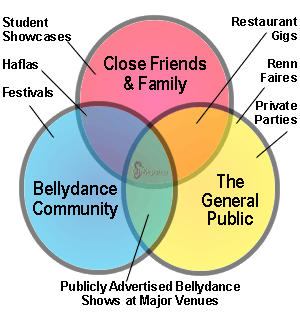
Venn Diagram of BD Audiences

by Shushanna
posted November 23, 2011

You’ve worked hard and now you want to put on a show. It goes without saying that you should strive for excellence in your craft, but for the moment let’s focus on something outside of ourselves – the audience.

Knowing your audience is extremely important. It can really determine the success or failure of your event. As you can see in the Venn diagram, there are three major types of audiences: your close friends and family, the bellydance community, and the general public.

Friends and Family:

When you start out on your bellydance journey, your primary audience will be your close friends and family. They will hopefully be supportive of you in your new hobby and come to student showcases and sometimes even haflas to cheer you on. If you want a successful student showcase, make sure a lot of students are involved so that they will have enough friends and relatives to fill the seats. And since there is a law of diminishing returns, the longer a dancer dances, the less often her friends and family will come to a performance. So that means that successful student showcases should primarily be for new dancers, with a few experienced ones intermingled, to ensure a good sized audience. Haflas are different than showcases because they include a broader pool of participants than just one school, and the audience is made up mostly of other bellydancers and also some friends and family. If you want a successful hafla, share the stage with a wide variety of others in your local community.

The Bellydance Community:

Throughout our journey, the bellydance community will often be our audience. Festivals like Rakkasah are an excellent opportunity to get up on stage and share your dance with your peers. But the important word here is "community".

Don’t just show up at a festival an hour before you go on and leave right afterwards. Be a part of the community. It’s not enough to be really great at what you do. You have to watch others, talk to people, and be a person who gives back.

Try volunteering back stage. Get to know your vendors. Cheer on other dancers – dancers you may not know and may never see again. The community is what WE make it. If you never take the time to be a part of the community then don’t be surprised if the community doesn’t know who you are.

The General Public:

When you’ve attained a certain level of skill, you might want to perform in public. The audience is often provided by the venue – in situations like restaurants, private parties and renaissance fairs. Depending on the venue and sometimes the ethnicity, the audience will have certain expectations. At a renaissance fair, try to dress the part with a lovely folk or tribal costume – don’t wear your most sparkly modern cabaret costume. At a restaurant, do wear your most sparkly modern cabaret costume, or perhaps even your amazingly put together tribal costume. If your audience is from a specific culture, learn their cultural expectations.

The general public isn’t always very kind about weight, age, and beauty, but be strong and understand that we all experience rejection. If your employer has seen recent pictures or videos of you and you got the gig, then just be the most polished and professional version of yourself.

There are some restaurants who expect you to provide your own audience out of your friends and family. How do you know if the restaurant has that expectation? By the day of the week. If they’re having you dance on a Friday, Saturday or Sunday, they’re most likely providing entertainment on their busiest days to meet the expectations of their customers. If they let you perform during the middle of the week when they don’t get a lot of people, then they’re expecting the dancer to bring her own audience. There’s nothing wrong with that – dancers often want more opportunities to perform and it’s great that some restaurants are open to it.

Just be aware of it so that you don’t show up to perform on a Tuesday night without having asked your friends and family to come, and then feel embarrassed that no one was there.

The goal that a lot of us might hope for is to have an audience made up of our peers and the general public – like how Bellydance Superstars tour the world. Granted, their audience is primarily made up of the bellydance community, but they are performing in major venues and advertising through those venues to the general public. A rising tide raises all boats, and I will be very happy when the general public is more familiar with and appreciative of bellydance.

Avoid the “No Man’s Land”:

I think one of the biggest difficulties is that sometimes we get stuck in the "No Man’s Land" of bellydance. You’re too experience, and your family too over-tapped, to be a big draw at student showcases. You haven’t found the time to get involved in your local bellydance community. And for a variety of reasons you feel uncomfortable dancing for the general public on a regular basis.

A part of us may feel like we’ve earned an audience because we’ve worked so hard and perform a quality show. But the truth is that you have to win an audience every single time.

Though performance quality is important, it’s not enough to throw yourself into your art and ignore the needs of your audience. I’ve been to absolutely amazing shows that were stuck in the No Man’s Land, and more than half the seats in the audience were empty.

So where is your audience? That elusive, ideal audience that appreciates your skill and artistic interpretation (like the bellydance community), while being forgiving of any aspect of you that isn’t perfect (friends and family), but is large enough to fill the seats (general public).

That ideal audience may not exist. You may not be able to sell out the theater for your one-woman bellydance fusion interpretation of Hamlet, no matter how skillfully performed it may be.

So instead of expecting the audience to tailor itself to your event, tailor your event to your audience.

Know your audience:

Events need to be advertised. To advertise your event well, you need to know what audience type to focus on. And once you get that audience, you need to hold up your end of the bargain by meeting its expectations. The more you know your audience, the more successful your events will be.


use the comment box

Have a comment? Use or comment section at the bottom of this page or Send us a letter!
Check the "Letters to the Editor" for other possible viewpoints!

Ready for more?


Gilded Serpent presents...

A Gilded Serpent Time Capsule Presentation

Rakkasah 1984 and 1986 (25 years ago)

photos by Lynette

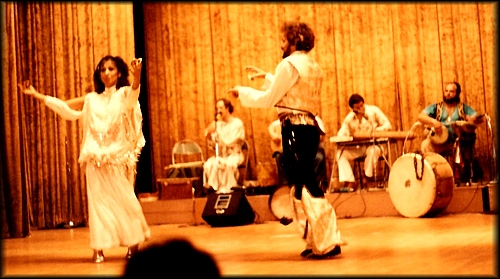
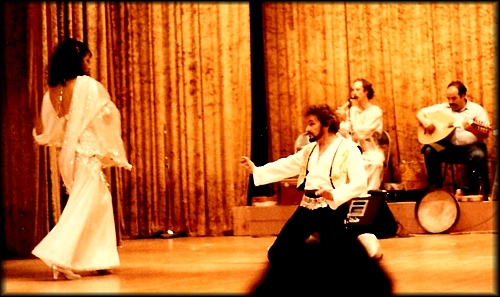
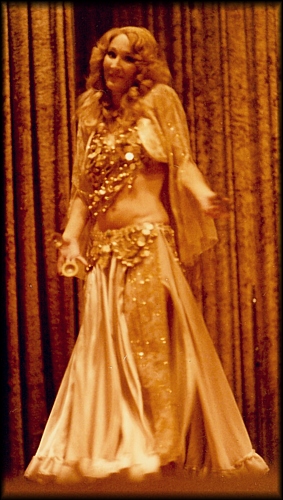
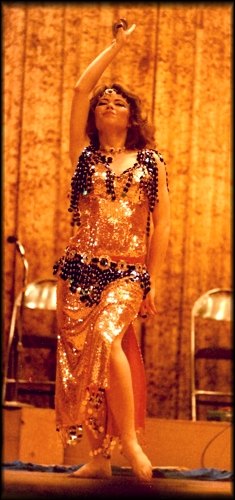
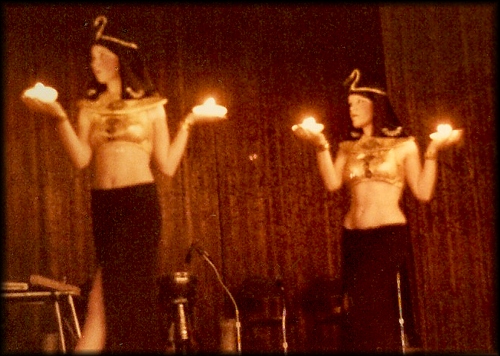
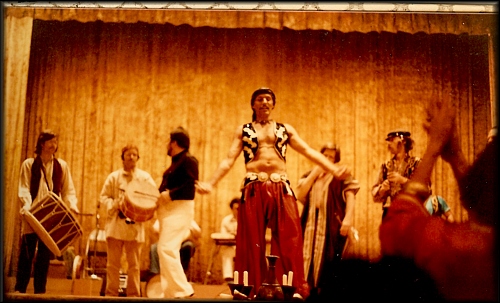
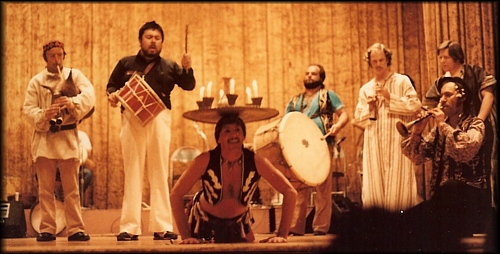
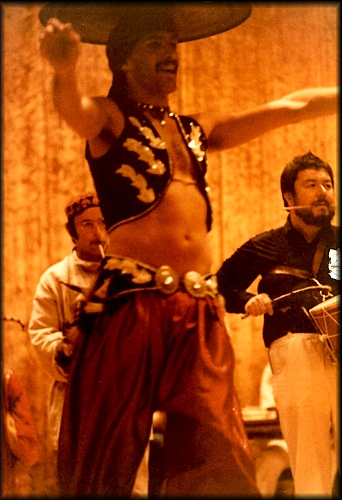
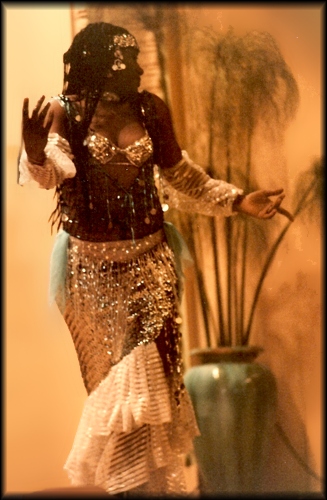
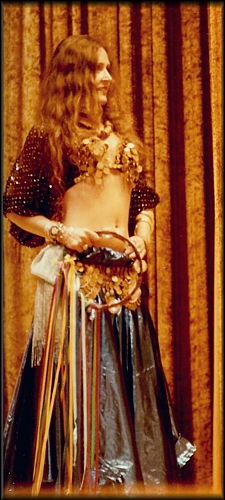
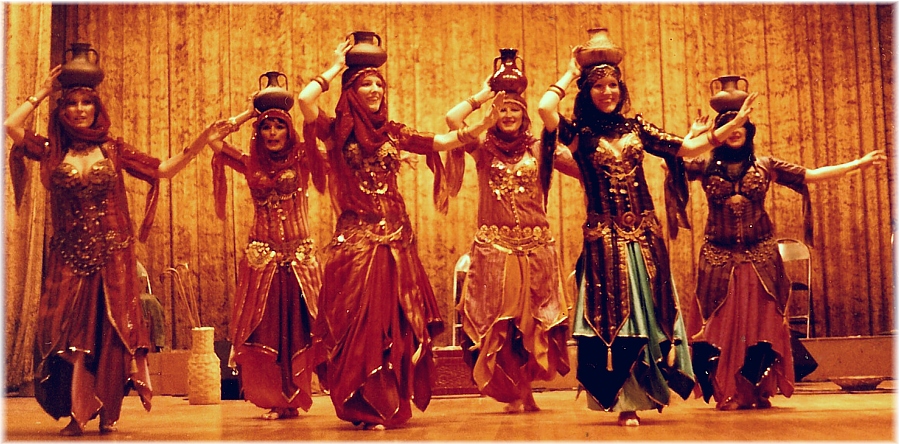
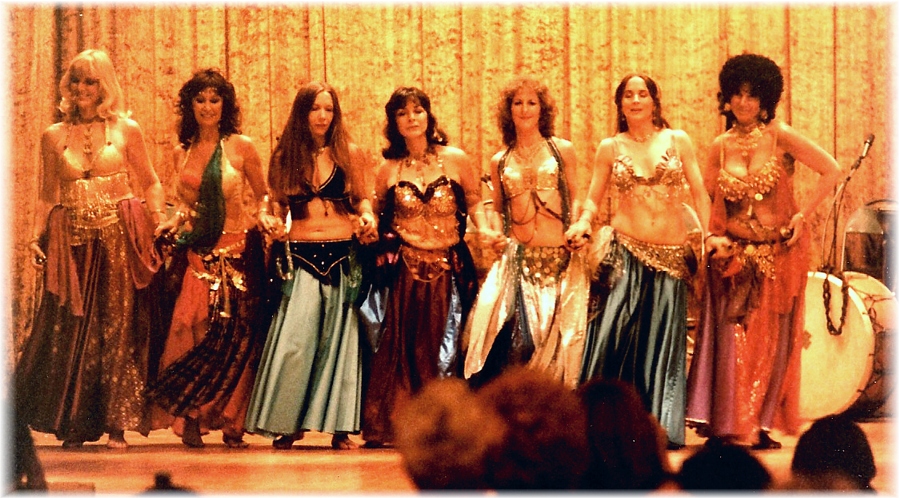
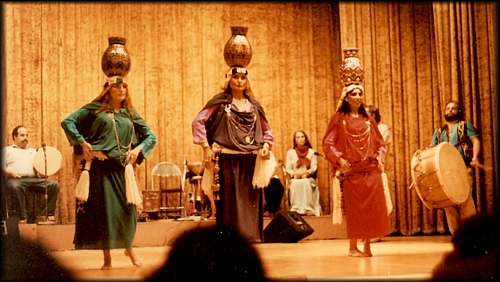
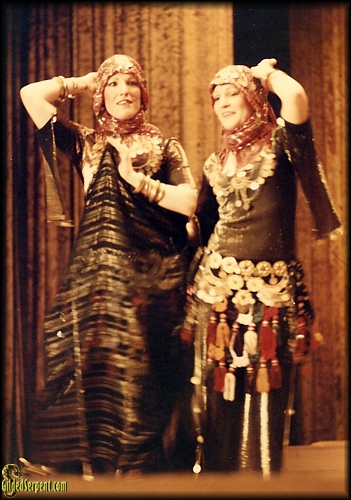
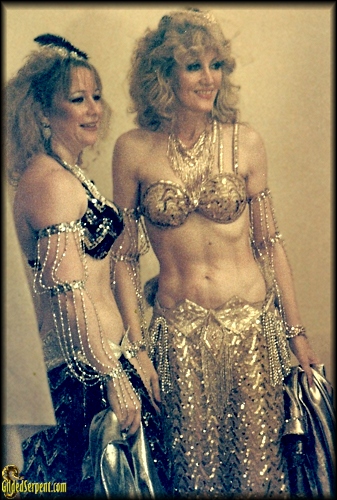
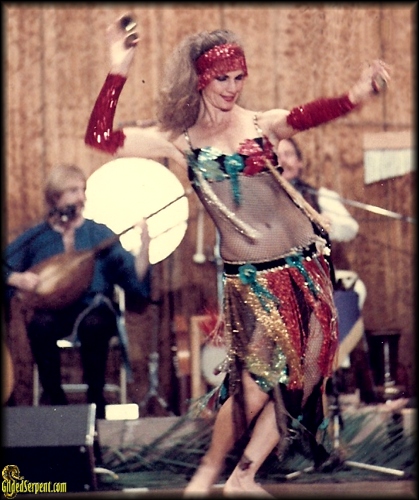
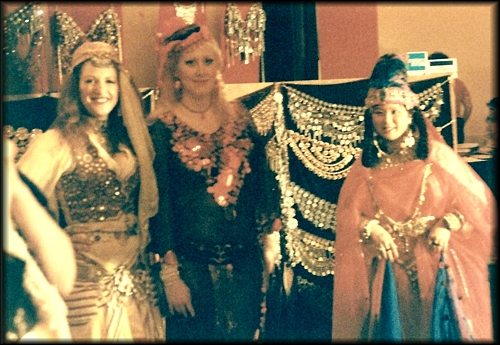
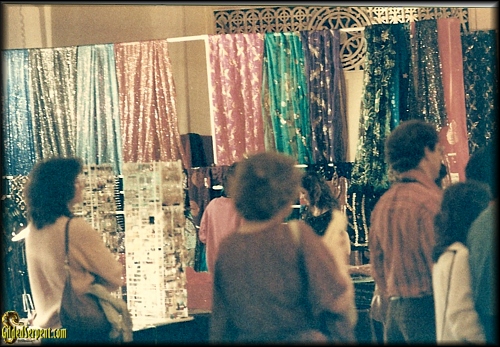
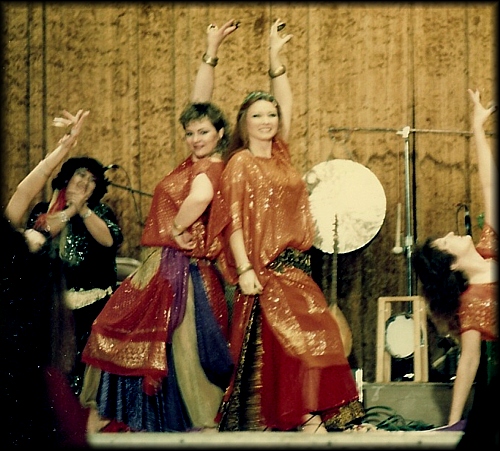
While taking a nostalgic look through my photo albums recently, I realized that if I was ever going to share these photos, I had better go ahead and scan them into the computer now before they deteriorate even more than they already have. Yes, they are discolored and blurred, but I think they will be of some value to those who pay attention to costume styles or those who were there and simply enjoy re-visiting the memories.

The Rakkasah Festival was held in the Scottish Rite Temple on Lake Merritt in Oakland, California, during these years. I was visiting from Bear Valley in 1984 and living in Oakland in 1986; where were you then? I was looking for a new mentor and Rakkasah was the place to be! My first mentor was in town for the 1986 fest. You can see her in #31- Yolanda Leaird.

Please help GS identify the faces in these photos. They have been numbered so that you can comment directly about each one. The smaller photos are from originals that were blurred or in poor condition.
If you would like another Gilded Serpent Time Capsule opened soon, please let The Snake know!

1. Bert and Amaya dancing to Paul‘s music


2. Michael Gruber on ney, Robaire on dumbek. Alan Ishmael on kanoun


3.


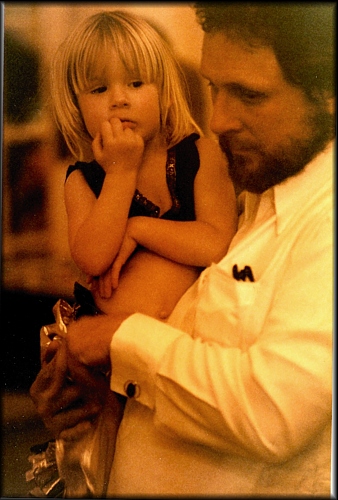
4. Unknown father and daughter


5. Sweet blond — Atea?


6. Her name starts with an S….


7. Mimi and Lasandra or Casandra (?)


8. John Compton doing a bellyroll?
Armondo on tabla beledi, Sulimon on right


9. The bagpiper is Paul Dessau, Uncle Mafufo, John, Robaire, Michael Gruber, Sulimon on mizmar, Sean Folsom.


10.

11. Meroe


12. Tamborine blond


13. Troupe Tangiers


14. Mystery troupe #1 Carol Fitzsimmons is #2 from l-r
“…looks like a troupe that was composed of some of Ilyana’s students”


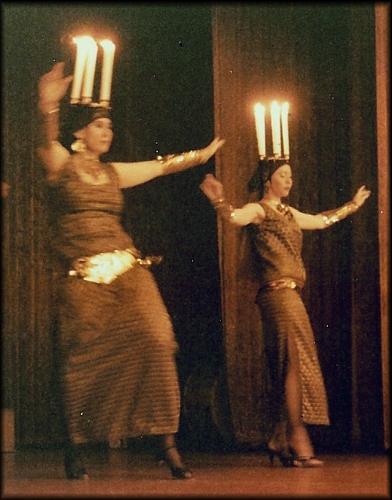
15. Unknown candlabra troupe
Aziza! -“Mimi in the front (the other dancer’s name escapes me at the moment) in the temporary troupe of the Bay Area Teachers’ Guild, performing at the Flamingo in Santa Rosa as part of a Deb Showcase… The dancer behind Mimi in #15 is Namora. She won Belly Dancer of the Year one year by dancing in high Candy’s slides and doing hair whips with her long red ponytail, as well as something she called “the snap”. She was actually a skater, rather than a belly dancer. Nice girl.”


16. Sadira‘s Troupe, Robaire on right and Paul relaxing with a duff


1986

Lake Merrit

17.

18. Raks Al Mu’sad – also part of Troupe Tangiers

19.

20.

21. Asia

22. Aphrodite

23.Roxanna (r) and Shoshana (Susan) (l) from Sacramento

Marcia tries on a Costless belt

24. Marcia tries on a Costless coin belt

Feiruz and Harry Soroyan

25. Feiruz and Harry Soroyan

26. Kathy Ferguson dancing to Brother of the Baladi
Joseph Pusey on saz and Michael Beach on drums

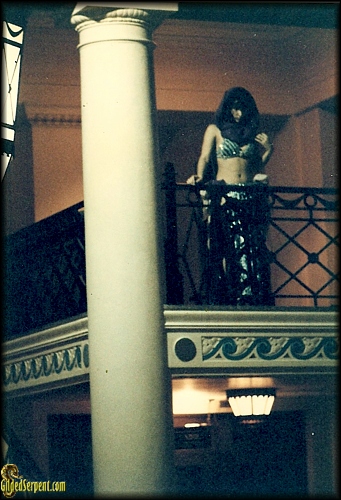
Lobby Balconey

27. Unknown dancer looks over the balconey in the lobby

28. Marcia tries on a head piece

29. Pepper and friends by the Costless booth
Pauline is in the Algerian costume

30. Veils- Is this Aziza!‘s booth?
” yeah, that’s the end of my booth that belonged to Ginny”

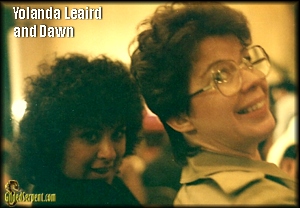
Yoli and Dawn

31. Yolanda Leaird was part of Perfumes of Araby. Dawn is and old friend from Columbia, California, who has since passed away.
You can see pictures of Yoli from those days here.

Kayla, dtr and Medusa

32. Kayla, her daughter and Medusa (my snake)

33. Sabiba dances to the music of Vince and Mimi Spencer

unknown troupe

34. Unknown troupe

35. Vendors of head thingys

Beata

36. Beata Zadou (pre-Horacio)

Ma Shuqa

37. MaShuqa

Shamire

38. Shamire of New Hampshire

Mankin

39. Dancer needing a magic touch.

Dahlena

40.Dahlena

41. Cane Dancer–Lili – formerly of San Luis Obispo

Dhyanis

42. Dhyanis

Pepper troupe

43. Pepper stands in back of her troupe
Pauline is in the Algerian costume

Sabah trouper

44. Member of Sabah‘s troupe

troupe

45. Another unknown troupe–is this the same troupe as above under 1984 as Mystery troupe #1?
Carol Fitzsimmons is #2 from l-r

Gypsy Caravan

46. Gypsy Caravan

Gypsy Caravan

47. Gypsy Caravan

Gypsy Caravan

48. Is this Sage?

Gypsy Caravan

49. Gypsy Caravan

Gypsy Caravan

50.

Mish Mish

51. The other Mish Mish?

ugly pants!

52. Ugly pants!

Cave Woman

53. Cave Woman! – Kathleen Young?

Ganapatti

54. Ganapatti
Joseph Pusey behind on ney?

Ganapatti

55. Michael Beach performing behind Ganapatti


Rhea

56. Rhea of Athens

57 and 58.Troupe Mandala of Shasta. This is Denise (of Pangia in Mt Shasta) on on the left with Zadora of Redding, CA, the gal in the blue in the background, who passed away in 1991or 2…. #58 is Ayesha of Medford, OR

Samira Snakewoman of Davis

59. Samira of Davis

Sausan

60. Sausan

Shukriya

61. Shukriya

Hannan

62. Hannan

63. Unknown dancer. Another crocheted skirt and head piece.

Silk road man

64. Silk Road man with sword –maybe


Silk Road

65. Sharlyn and Silk Road Dance Ensemble


66. Silk Road Dance Ensemble


use the comment box

Have a comment? Use or comment section at the bottom of this page or Send us a letter!
Check the "Letters to the Editor" for other possible viewpoints!

Ready for more?

  • Photos from Rakkasah West 2011, Pg 4: Sunday M-Z
    Maria, Nadika, Naiya-Hayal, Onyx Moon, Oreet, Raks Al Khalil, Raks Terayz, Raks the Casbah, Reda Darwish, Ruby, Sabiba, Sassafras, Shimmy Amour, Tatseena’s Troupe, Terry, Titanya, Troupe Aneena, Yolanda, Zahara
  • Rakkasah West Festival 2011, Saturday, Page 2" J-Z
    This group of photos is from Saturday, March 12, 2011. Bands in the background include: Vince Delgado and Coralee, The Mediterranean Raqs Band, Pangia, and Al’Azifoon
  • Fashion Trend Report 2011 What’s New This Year at Rakkasah?
    What I noticed, first and foremost, was not the costuming, but rather, a change in the sellers themselves. The seller demographic has radically altered, creating a new vendor landscape. Without a doubt, this is a response to the on-going sluggish economy and the need for companies to reduce expenses. The reduction in costumes and products coming out of Egypt also affected the merchandise. Many small factories had a gap in production, and shipping has become even more problematic.
  • Rakkasah West Fest 2011, Saturday, Page 1: A-J
    Afrita, Ahava, Ava Fleming, Bala Anat, Al Azifoon, Alea, Alnisa, Aruba, Banat El Hoggar, Black Diamond, Black Opal, Dancer of the Crescent Moon, Dancers of the Pharoah, Desert Heat Dancers, Elnora and Rhonda, Fringe Benefits, Hamsa, Hanna Lissa, Jasmine Jennifer, Jewels of the North
  • Rakkasah West Fest 2011, Friday Evening, Main Stage Only,
    Aisha, Arabian Jewels, Azura, Dancers of Denile, Ariellah and Deshreet, Tatseena and Dreams of Cleopatra, Elnora, Ghanima, Goddess Force, Halima, Diana, Inami, Khalilah, Latifa, Kiyoko, Leila Haddad, Shaida, Shadya, Tanya, Zia!
  • Rakkasah From a Vendor’s
    Viewpoint

    Ah, Rakkasah! For many years the highlight of my vending year! A wonderful idea that has gradually faded over time….
  • 2011 Eliat Festival with T and A!
    Eilat is a bustling attraction for many tourists, boasting world class beaches, diving, and great weather, which was one reason that we picked this destination in January!
  • Simona Minisini of Italy Video Interview
    In June, 2011, Gilded Serpent was present at the Mediterranean Delight Festival in Marrakech, Morocco (produced by Simona Guzman). There we were able to get some time with Simona Minisini of Palmanova, Italy. She told us about her school, the coming World Dance Tropy Competition and her own history in Oriental dance. She and her husband Igor have a studio called Club Sunshine with mutiple dance rooms, 2 pools and a "Bed and Breakfast". This video also included a sample of her performance at the festival in Morocco.
  • A Month in Cairo, Egypt,
    Report No. 3: Fresh Eggs and the Festival Begins, Ahlan Wa Sahlan, Part 1

    One of the aspects of AWS that I enjoy most is the contact it offers with dancers not only from Egypt, both Egyptian and foreign-born, but from all over the world. It’s a rare opportunity to find out that our dance idols are real people who are warm, friendly, and eager to share their knowledge.
  • Jillina Drum Solo Video from International Bellydance Conference of Canada
    Jillina dances for drummer, Suleiman Warwar. This performance was held at the Acrobat Lounge in Toronto, Ontario, Canada.
  • SFBA MECDA Gala Show & Festival 2010
    Produced by the San Francisco Bay Area chapter of the Middle Eastern Culture and Dance Association, held on November 15, 2010, in the Hillview Community Center in Los Altos, CA
  • Radio Bastet, Where the Hafla Never Stops! An Interview with Its Creator, Marisa Young
    Here’s one thing that is very frustrating: finding out that you have two or three copies of the exact same record, released on different labels, with different artists names, different track names and arrangements, and different covers!
  • Ballet-ification of Belly Dance
    When did Ballet become a requisite for Belly dance, and why is it stated that it should be an essential part of a Belly dancer’s daily regimen?
 

Gilded Serpent presents...

Dance Combinations – Uneven, Misnamed Productions Still Worthwhile

“Cool Combos ‘a La Galit” and “Combin-Ography by Bahaia"

Placeholder

DVDs reviewed by Elianae
posted November 16, 2011

When I was asked to review two DVDs for the Gilded Serpent, I was excited. It was especially fun since both CDs that GS chose for me to review were by artists I knew very little about, from different parts of the globe. I was not disappointed, and the variance between the two was intriguing!

Galit's DVD"Cool Combos ‘A La Galit–The Art Of Layering", self produced by Galit

The first DVD I reviewed was “Cool Combos ‘A La Galit–The Art Of Layering”, a homemade labor of love brought to the public by a British Oriental dancer and instructor, Galit Mersand. I would consider the material presented to be best suited for intermediate Cabaret or Egyptian style Belly dancers.

There is a lot of instructional material covered throughout–over 15 combinations presented, as well as 4 drill segments and dance practice sessions. There is a lot of hip work, such as figure 8s in every direction, “Chonking” (a cute name to describe hip-drops) and Belly rolls. The technique culminates into a full dance practice segment, –a loose choreography set to a song titled “Hassibak” by Jad Nakhle.

Unfortunately, although there is plenty of useful material in this DVD, its production quality is sub-par.

Although the main menu is well done and chapters are easy to navigate, the actual video is grainy and the sound fluctuates quite a bit. Galit, with the exception of the final dance session, only teaches from the front view, leaving the viewer to mirror her or figure out rights and lefts on her own. Galit also teaches the movements with no musical accompaniment, adding instead  live drumming in the drilling sections. Although live music is wonderful, the echo inside the studio as well as the lack of proper sound equipment made it a bit noisy, and I found myself turning my volume button up to hear her speak, and down when the music came on.

The bonus features are very entertaining however and include two live performances as well as two live dance comedy performances! You just have to see them to see Galit’s special spark.

This DVD would be a great companion to any student of Galit’s or a dancer who doesn’t care for frills in video production but would like a fun, easy dance piece that looks presentable. Any dancer might benefit from drilling these important moves.

Rating: 2 zills
Zil Rating- 2

Bahaia's DVD“Combin-Ography With Bahaia!” by Cheeky Girls Productions

My second DVD to review was “Combin-Ography With Bahaia!” by Cheeky Girls Productions. It is an attractive DVD, in both cover and design, that promises to “bridge the gap between improvisation and choreography”. Upon viewing the DVD, I do believe it accomplishes that, though in a more informal, friendly way than I expected.  I found the title somewhat misleading because there are no technical combinations presented in this production.

Instead, Bahaia challenges the viewer to see the dance from different angles, taking in concepts such as pacing yourself, knowing your power moves, thinking about body line, spacial awareness, and presentation.

Bahaia herself is engaging, friendly, and concise in her wording and expression.

I found this DVD to be a refreshing change of pace from most fitness or technique-inspired DVDs. So many dancers work hard to mimic technique, combinations, and choreography, while Bahaia’s approach is more spatial and personal.

She challenges the viewer to make lists of all the moves in their repertoire and arrange them in ways that accentuate the music, flow easily, and highlight what each dancer does best. I found Bahaia’s graceful style and cheerful smile encouraging.

This is not a fitness video, but an exercise in becoming familiar with the creative process. The film is shot with the instructor facing the front throughout; however, I did not find this to be a problem. My favorite part of the instruction was when Bahaia said a dancer should not approach the stage “Like a crazy excited Cocker-Spaniel!”  Humorous visual images such as this make this a video to which I would return.

Rating: 4 zils
Zil Rating- 4

Through the process of comparing and contrasting these two DVDs, I learned that in our technical age, although there are many people out there that have knowledge that can and should be shared, production value really does count for something. With a few technical additions, a DVD can be more attractive, accessible, and quite frankly, sell better, but here’s a tip of my hat to the both of these artists for taking on and completing such a big project!


Purchasing Information:


use the comment box

Have a comment? Use or comment section at the bottom of this page or Send us a letter!
Check the "Letters to the Editor" for other possible viewpoints!

Ready for more?


Gilded Serpent presents...

2011 Eilat Dance Festival with T and A!

Eilat Map

by Terry Del Giorno
posted November 15, 2011

Even before we arrived at the Club Hotel Eilat in Israel, where the Eilat Festival was held in 2011, we were met with warmth and generosity from fellow attendees and instructors.  Their display of graciousness was evident in every aspect of the event.

While waiting in the Ben-Gurion Airport, we were able to identify other dancer types, from their enthusiasm and flamboyant dress style.  We were ushered into appropriate lines with the help of returning festival attendees. After our brief flight from Tel Aviv to Eilat, we were bussed on a minuscule ride to the hotel where the festival took place.

The skillful organizational skills of Orit Matsfir and Yael Moav became evident as soon as we entered the Club Hotel Eilat. We received a packet with room keys, program of events, a CD of music (How nice is that?) and a bag in which to put it all.

The hotel is situated across the street from the Red Sea, sharing borders with Jordan and Egypt.  Eilat is a bustling attraction for many tourists, boasting world class beaches, diving, and great weather, which was one reason that we picked this destination in January! Of course, with the allure of a dance vacation, it was the perfect destination for my long-time dance buddy, Alnisa, and me.

Terry and AlnisaThe hotel’s architecture is nautical in theme, but I didn’t notice this immediately because as soon as you enter, it seemed dance-based. Everything from the huge banner in the lobby to the Naima Akef  and Samia Gamal Hall spoke of Oriental dance.

The first evening was a welcome party for dancers. It was complete with a generous spread of wonderful food, live music, formal and informal performances of the instructors and a bottle of Arak (an anise liquor) for every table! I was content.

There was an abundance of dance classes to enjoy: everything from Tribal Style to Tarab, as well as lessons suitable for beginners through advanced dancing. Most of the classes seemed to be limited to 1-1/2 hours in length. In all of the classes I attended, I noted a  generosity of spirit that I have not seen before. Students were allowed to video the choreography. (Time was delegated at the end of each session to do so.)

There were opportunities for amateurs to perform in casual settings along with the requisite gala shows.  Shimmy and Beledi competitions took place poolside in the Bedouin tent.  An evening (marked as a competition) was an incredibly hilarious testament to Asi Hillani’s talent as a mimic to Belly dance stars of past and present.

Despite the language barrier, it was clearly obvious to me who he was impersonating!

 He shrewdly directed the band, stopping and dissecting the dancer’s signature music, and rhythm up. Base rhythm, embellishments, melody and vocals were explored and there was time for weaving anecdotes of each dancer in turn.
As only one of a handful of Americans, I can say that the language barrier was the only  drawback to the festival for me.  We didn’t find out about our daily breakfast spread until the last day! Poor me! We didn’t realize we had designated dinner seating and nobody told us about them. Perhaps it was my fault, but these minor oversights did nothing to diminish our enjoyment of the Eilat 2011 Festival.  However, I must note that all of the classes in which we participated were mostly conducted in English.

Whether you are a beginner or seasoned student of dance, Festival Eilat offers excellent dance instruction and a lovely venue for a vacation. Now, the festival is in its 8th year; Orit and Yael have created a world class Belly dance event. I’m wondering: will I go again in 2012?

*Our next stop is Cairo: the “Calm Before the Storm, Brain Cancer, and My Cup is Overflowing”!

banner
Welcoming banner in the lobby as you enter Hotel Eliat with photo of Tahia at lower left.

Opening Eve Gala with tabla and tabli making the rounds

Sunset in Tel Aviv on the night before we left for Cairo (that chapter coming soon!)

use the comment box

Have a comment? Use or comment section at the bottom of this page or Send us a letter!
Check the "Letters to the Editor" for other possible viewpoints!

Ready for more?


Gilded Serpent presents...

Fresh Eggs and the Festival Begins

Report No. 3: Ahlan Wa Sahlan, Part 1

Dinner!

by Leyla Lanty
From the Field June 14 – July 1 5, 2011
Dancer portraits by Denise Marino
posted November 10, 2011

On June 14, 2011, I left home for a month long stay in Cairo, Egypt, my home away from home.  The purpose of this trip, one of many I’ve made there, was to attend Ahlan Wa Sahlan 2011 as well as visit with old friends, make new ones and most important of all this year, to see and experience some of the changes taking place after Egypt’s revolution in January.  What follows is a six-part recounting of what I saw, did and felt, based on a diary I kept while I was there.

Fresh Eggs, Dinner at a Local Restaurant

On most days, my breakfast consists of a fresh egg, fresh bread, butter and good Brazilian coffee.  Because I prefer brewed coffee to instant, I brought a coffee filter cone and enough paper filters for the month with me and bought the ground coffee at the Carrefour store that I described in Report #1.  Sometimes I buy grocery items for myself, but on occasion, one of Ahmed’s sons or the ‘tween-age daughter of our bowab (doorman) brings supplies and/or a shrimp or chicken lunch for which I’ve paid in advance.   Essential supplies for me are “3aish fino” (fine bread) which are hot-dog bun sized baguettes, butter, bottled water by the case, marinated olives, cheese, cheap luncheon meat for the hall kitties, and fresh eggs.

In one delivery, the eggs arrived nestled in a big “nest” of straw, with a few fluffy chicken feathers (and other reminders that the eggs come from real birds), all enclosed in a big sturdy plastic bag.  I soaked them in a pot of soapy water for an hour or so and then used paper towels to scrub them clean before putting them in the refrigerator.  This is what it means to have fresh eggs in Cairo!  Yummy–but you have to work for them!

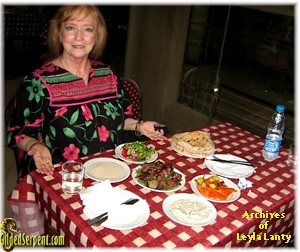
However, for most dinners and lunches, I eat in local restaurants.   Here’s a typical dinner for two at one of my favorite places in Khan el Khalili:  beef and lamb kabob, humus, baba ghanoug, pita bread, green salad and torshi (pickled vegetables).

Mena House
Photo credit www.oberoihotels.com/oberoi_menahouse/index.asp

Ahlan Wa Sahlan Festival 2011 at the Mena House, Oberoi)

As usual, Ahlan Wa Sahlan was a wonderful experience for me!  I attended every day, going late on days on which I had no class scheduled, to meet with people, planned or not, shop at the booths of vendors lining the hallways, enjoy lunch and dinner with other dancers.  We’d discuss dance in general or our experiences in classes with the AWS teachers, from super stars such as Azza Sherif, Dandash, Dina, Nelly Fu’ad and, of course, Raqia Hassan, to teachers and trainers from the Mahmoud Reda troupe and top teachers from outside of Egypt.  

Now for the details:
Opening Night, June 27 – A treat for the eyes and ears, and (oh yes!) the taste buds too.
Because there was a much smaller crowd this year than in previous years, the Opening Gala was held on the Nile Maxim River Boat (operated by the Cairo Marriott hotel).

 Photo credit: www.maximrestaurants.com

There were three big buses ready at the hotel to take everyone from the Mena House to the boat–about a half an hour drive.  We arrived at the Maxim in good time by local standards, with a full security escort of police cars with their blue lights flashing.  

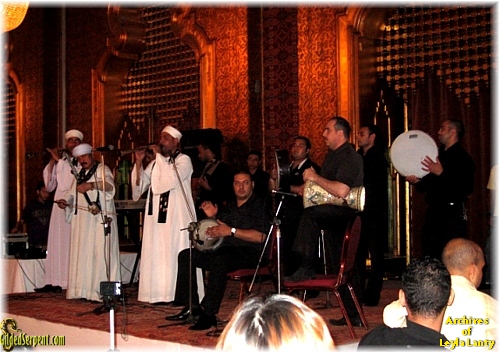
Elisa from Australia, several others, and I were the last to get off the buses, and we found ourselves in a procession into the boat loading area along with the raqs tanoura dancers and a band of drums, rebaba, and mizmars; there is nothing like making a big, loud entrance!  The band members encouraged us to dance along as they played, and who are we to argue against that?

Although we could see the dancers pretty well, it was not a good vantage-point for taking pictures.  Dinner was delicious and so was the show!  Each dance star had her own orchestra of 15 to 20 pieces, plus a solo singer or two, as well as some backup singers.  The music was to “die for”!

Katia by Denise MarinoOur first dancer was Katia Sherbakova, a Russian dancer who has been performing in Cairo for several years.  Her performance included excellent Raqs Sharqi followed by playful Balady or folk and another Balady number, complete with tabla balady and mizmar players on the dance floor with her.   

Aziza by Denise MarinoAziza, a rising star Egyptian dancer was next.  I very much enjoyed her Oriental performance as well as her Balady.  (I was pleased to see that Dandash’s talented sister, whom I met several years ago, is now Aziza’s singer!)

Then Soraya, “queen of the drum solo”, was next.  She did an energetic Egyptian-style Oriental number along with one influenced by Brazilian dance styles as well as another Balady number.  She is the best drum-solo dancer I’ve ever seen!

Soraya ZaiedDina capped off our evening with a signature Oriental show that was pure Dina!  What more can I say?  I loved her new woman singer who reminded me very much of Fatme Sirhan (Dina’s former singer who is now retired).

During the sit-down dinner at the beginning of the evening, we sailed up and down the Nile for a time or two.  Then, they tied up at the dock for the rest of the party until about 2 a.m. when we boarded the buses and returned to the festival hotel.  It was a wonderful star-studded evening and a wonderful way to start the festival, although I pitied those who had 10:00 a.m. classes the next day!

You may wonder why I go to Ahlan Wa Sahlan so often, (other than the fabulous opportunities to learn from the best teachers in the world and see the best Egyptian dancers perform).

One of the aspects of AWS that I enjoy most is the contact it offers with dancers not only from Egypt, both Egyptian and foreign-born, but from all over the world.  It’s a rare opportunity to find out that our dance idols are real people who are warm, friendly, and eager to share their knowledge.

 Many people come to the festival year after year–so each time is a reunion with old friends as well as the opportunity to form new bonds with other dancers.  This time was no exception.  Attendance was down this year because of the current state of the world economy and the changes taking place in Egypt as a result of the revolution in late January. Nevertheless, everyone said over and over, “Insha’allah (God willing) next year!”

At times during the festival–with all its noise, hubbub, excitement–one needs some “down” time to relax or enjoy conversation with friends.  One afternoon, I found a quiet place for this purpose in the first-floor lobby–-“The Mamluk Bar”.  It was not in operation for the week of the festival; so, it offered a perfect place for some peace and quiet.  There, I found Andre Elbing, one of the two photographers who were authorized to photograph all aspects of the festival.  Andre interviewed me on my background, history, and philosophy in dance and said he may use it in an article for one of the dance magazines to which he contributes.  Later in the week, I met with Andre again and with Denise Marino, the other authorized  festival photographer, to make arrangements with both of them to buy some wonderful photos that they took of my performance at the evening Summer Show.

Every night is a party at Ahlan Wa Sahlan!

If you don’t get enough schmoozing with other dancers between classes or at meals, there’s a Summer Show every night.  Each of the evening shows provides a chance to get to know new acquaintances better or to hang out with old friends.  On the first two nights, all the dance slots were reserved for teachers who wished to perform.  Teachers’ nights give the festival teachers an opportunity to show what they’re going to teach, and maybe, attract more students to their classes.  The other nights are for  anybody who wants to sign up to perform and those who want to join a competition for prizes.  The dancers range from advanced students to full-time professionals.   Beside all the lovely women who performed on the two teachers’ nights, Loli and Sherif Ragaey, two young Egyptian male teachers, were real standouts in the lineup.  In my opinion, they will likely become well-known as dancers and teachers.

On the first teachers’ night, we were treated to a performance by the Amr Abu Ziad Troupe.  They had all-male dancers, including men on 6-foot high stilts dancing through the audience, several Raqs Tanoura (turning/spinning) dancers, at least two singers, and a Saidi band.  The last few minutes of their show included audience dancing.  Wow!  It was non-stop excitement!

Leyla performs!

Stick Dancers

Amr Abu Ziad Troupe’s band (all of it) and the troupe’s tahtib dancers

Again this year, Raqia hired Debbie Smith to be the emcee and general manager of the dancers at the evening parties.  Under Debbie’s guidance, the shows ran smoothly from one dancer to the next and from CD dancers to live music dancers and back again to CD dancers.
Closing part one on a personal note: I was surprised by the number of people who asked why I was not dancing on one of the teachers’ nights.  I have taught finger cymbals (sagat, or zills) at four previous festivals, but did not teach this year because of the reduced attendance and teaching staff.  Insha’allah–I will teach again next time!

Coming up:  Report #4 Ahlan Wa Sahlan Part 2 – classes, performing with the Safaa Farid Band, and the Closing Gala.

Previous chapters of Leyla’s A Month in Cairo 2011 Reports

use the comment box

Have a comment? Use or comment section at the bottom of this page or Send us a letter!
Check the "Letters to the Editor" for other possible viewpoints!

Ready for more?


Gilded Serpent presents...

SFBA MECDA Gala Show & Festival 2010

San Francisco Bay Area Chapter of the Middle Eastern Culture and Dance Association
Held on November 15, 2010, in the Hillview Community Center in Los Altos, CA

Photos by Carl Sermon
posted November 4, 2011

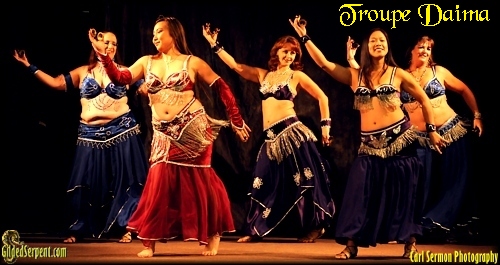
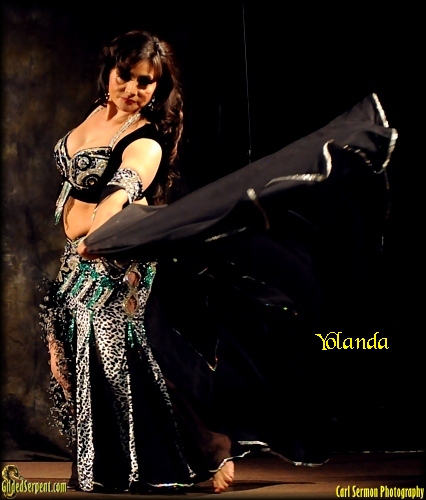
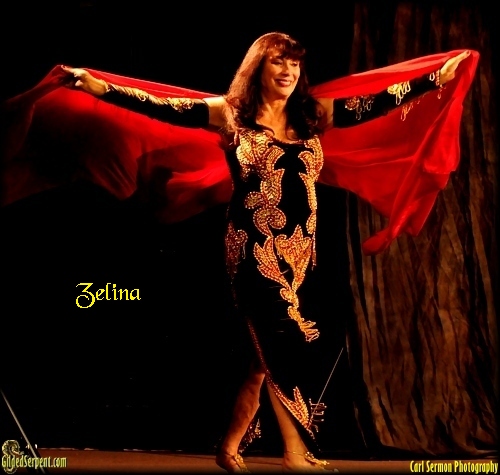
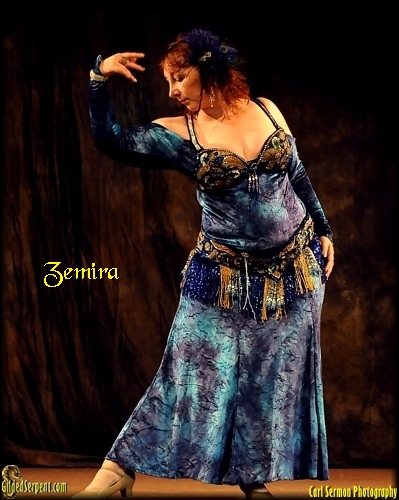
This is an annual event with festival dancing and vending. This year the fund raiser was for "Next Door" a support group for battered women. Awards were given to community members and members of the organization. This year’s event is tomorrow! Nov 5, 2011, at the same location.


Adriana


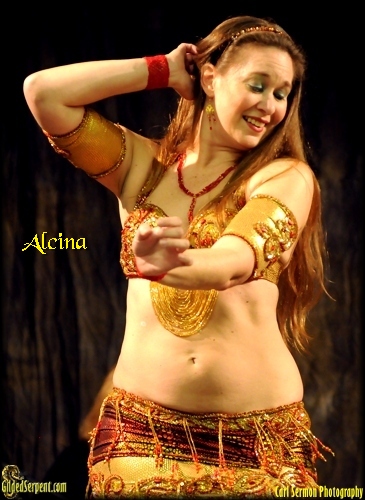
Alcina


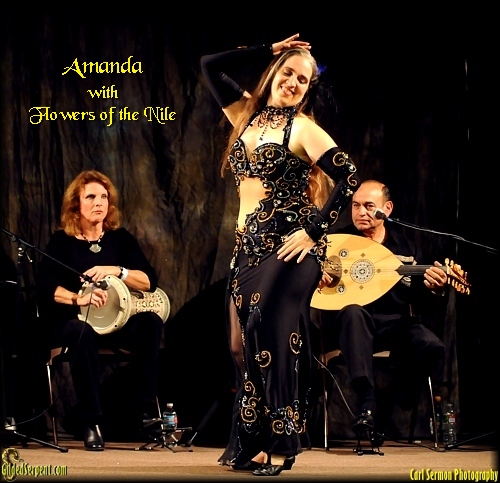
Amanda


Ameera


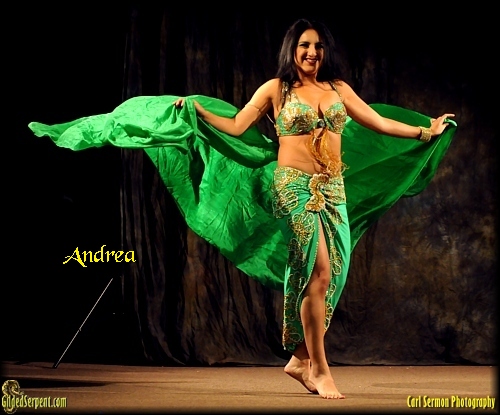
Andrea


Aneena


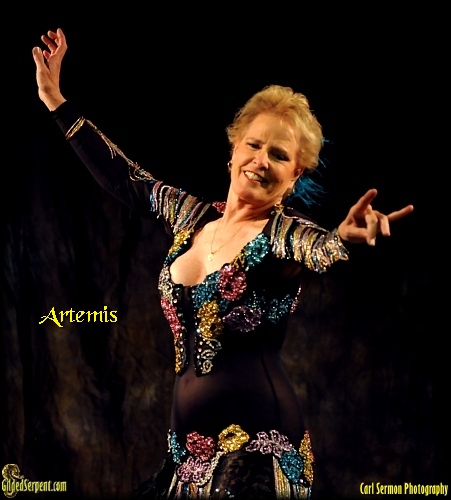
Artemis


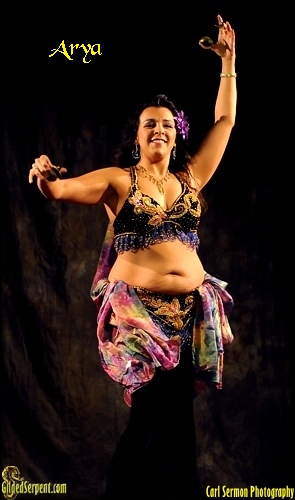
Arya


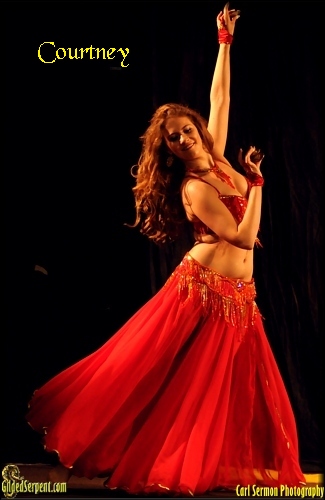
Courtney


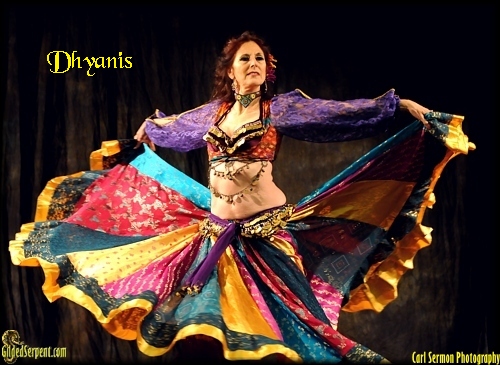
Dhyanis


Edemia Alverez


Etana Hayal


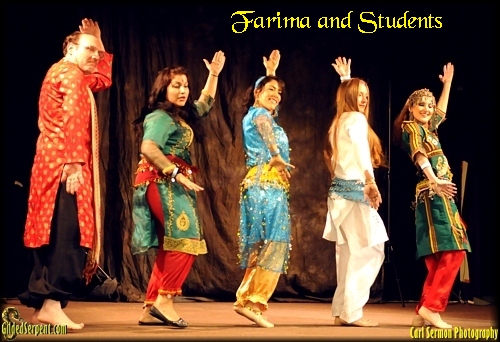
Farima & Students


Ghanima Gaditana


Hazar


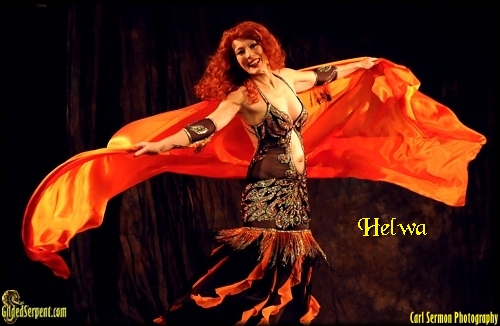
Helwa


Sherry


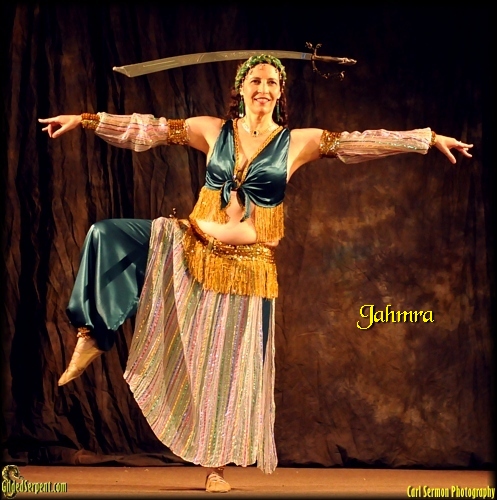
Jahmra


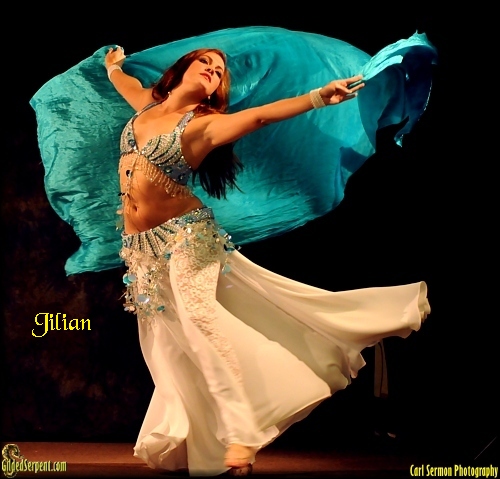
Jillian


Karavansary


Kitiera


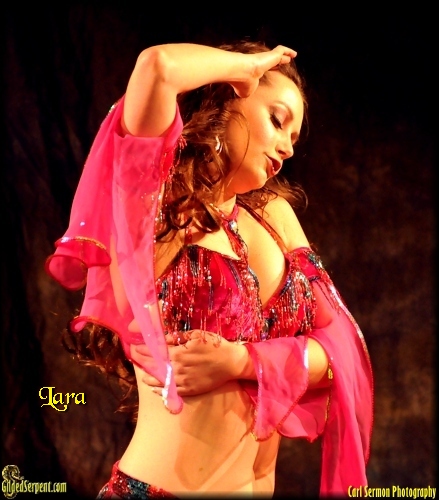
Lara


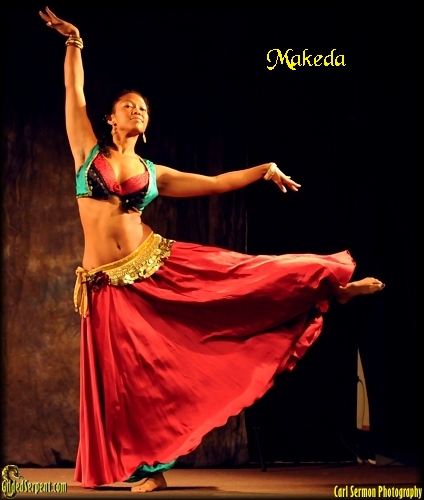
Makeda


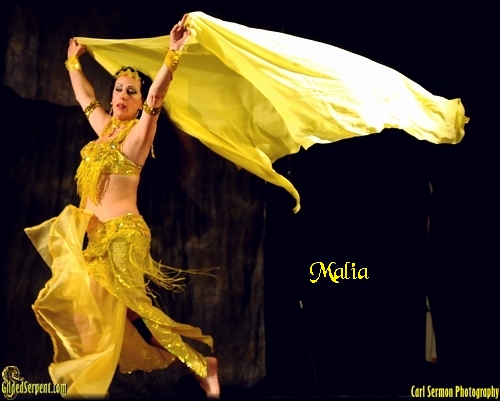
Malia


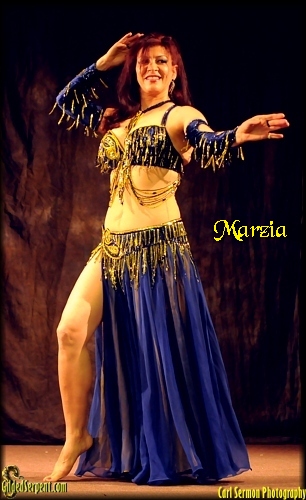
Marzia


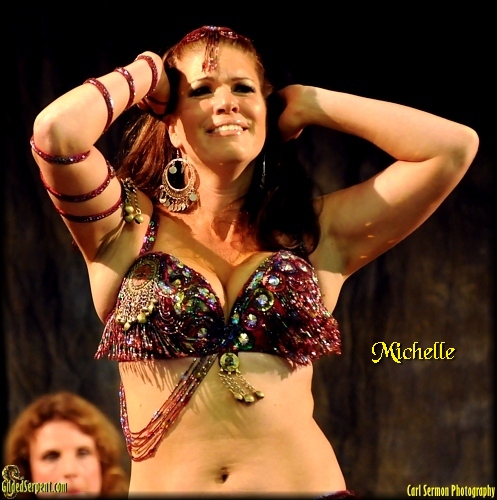
Michelle


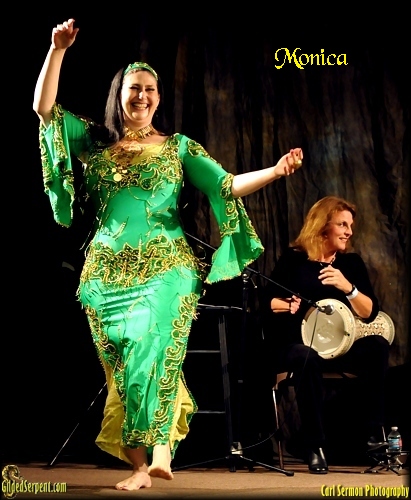
Monica


Nancy Asiya


Nor El Ain


Raks A Diva


Red Desert Dance Co


Robin Lovejoy


Sabiba


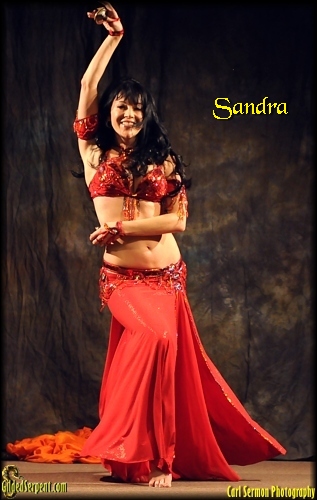
Sandra


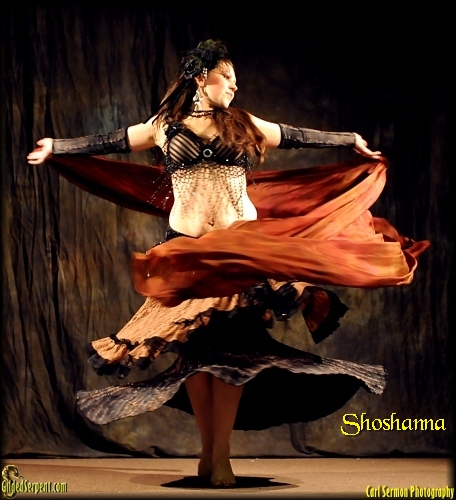
Shoshanna


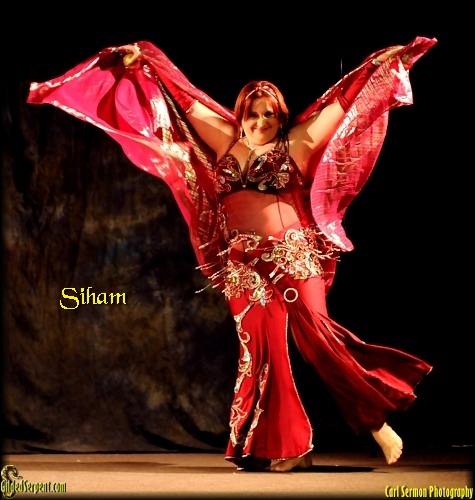
Siham


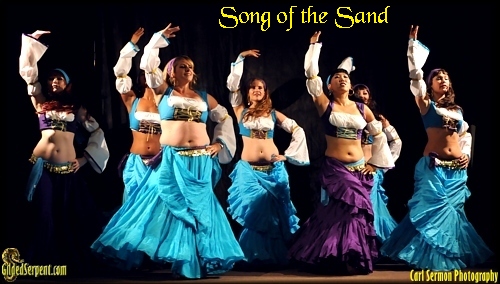
Song of the Sand


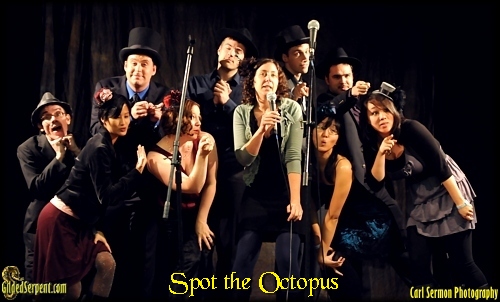
Spot the Octopus


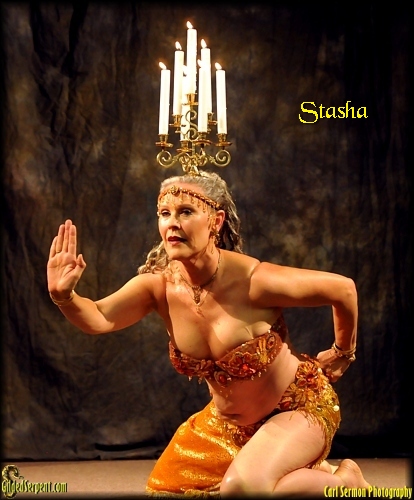
Stasha


Troupe Daima


Yolanda


Zelina


Zemira


"SF/BA MECDA presents awards to express our gratitude and appreciation to Bay Area belly dance community members in recognition of their hard work, dedication and support."

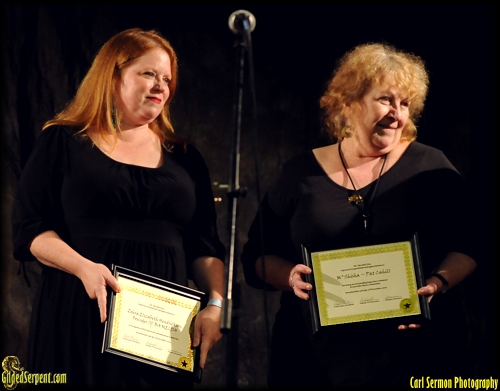
  • Zelina Elaine Arneson – Outstanding long-time supporting vendor 
  • M’Shisha Pat Cahill – Outstanding long-time volunteer
  • Zohra Elizabeth Hendrickson– Founder and, through her hard work and dedication to MECDA, a continuing influence
  • Lynette Harris – in recognition of her dedication to the art of belly dance and her outstanding community service to the world wide belly dance community

Zohra and M'Shisha


Zohra and M’Shisha

Zelina

Zelina

Lynette with Leyla Lanty and Pat
Leyla Lanty, Lynette, Zohra, and M’Shisha

This year’s event is TOMORROW!
Nov 5, 2011- Swap, Shop and Shimmy


use the comment box

Have a comment? Use or comment section at the bottom of this page or Send us a letter!
Check the "Letters to the Editor" for other possible viewpoints!

Ready for more?

  • Sunday Photos from Rakkasah East- October 2010
    Barakat, Basema, Dena Shazadi, Fatima, Fire Blossoms, Ghada Girls, Habiba, Laura, Leila, Rega, Saiedah, Shadia, Tempest, Willow, Yuliya, Zenaiede
  • Friday Night Photos from Rakkasah East- October 2010
    Desert Embers, Dharma, Fahtiem, Leila Haddad, Mystic Wiles, Nadia Layla, Najma, NightShade, Phoenis, Raks Shiva, Troupe Shahibat
  • Carnival of Stars, Page 4: O-Z Photos
    The Carnival of Stars Festival is produced by Pepper Alexandria and Latifa at the Richmond Auditorium each year at the beginning of August. The stage at this facility is hard to beat. The wonderful lighting and the large stage make every dancer feel like a diva! Once again, Carl has done an amazing job catching the character of each dancer
  • Carnival of Stars, Page 3: I-O Photos
    The Carnival of Stars Festival is produced by Pepper Alexandria and Latifa at the Richmond Auditorium each year at the beginning of August. The stage at this facility is hard to beat. The wonderful lighting and the large stage make every dancer feel like a diva! Once again, Carl has done an amazing job catching the character of each dancer.
  • Carnival of Stars, Page 2: D-H Photos
    The Carnival of Stars Festival is produced by Pepper Alexandria and Latifa at the Richmond Auditorium each year at the beginning of August. The stage at this facility is hard to beat. The wonderful lighting and the large stage make every dancer feel like a diva! Once again, Carl has done an amazing job catching the character of each dancer.
  • Carnival of Stars, Page 1: A-C Photos
    The Carnival of Stars Festival is produced by Pepper Alexandria and Latifa at the Richmond Auditorium each year at the beginning of August. The stage at this facility is hard to beat. The wonderful lighting and the large stage make every dancer feel like a diva! Once again, Carl has done an amazing job catching the character of each dancer.

  • Maria, Nadika, Naiya-Hayal, Onyx Moon, Oreet, Raks Al Khalil, Raks Terayz, Raks the Casbah, Reda Darwish, Ruby, Sabiba, Sassafras, Shimmy Amour, Tatseena’s Troupe, Terry, Titanya, Troupe Aneena, Yolanda, Zahara
  • Photos from Rakkasah West 2011, Sunday A- L
    Adira, Anisa, Ashley Lopez, Orchids, Damascus, Danielle, Desert Dream, Diana, Dondi, Dancers of the Desert, El Asaab, Evangaline, Fahtiem, Fatima, Ghawazee, Alexandria, Jamilla, Joweh, Karavansary, Lisa
  • Ana Ra’asa Showcase: Egyptian Bellydance Past & Present
    My purpose for doing this show was to bring Bellydance to the stage. We have such amazing talent in the Bay Area, and I feel that those dancers deserved a stage to showcase such amazing talent.
  • Radio Bastet, Where the Hafla Never Stops! An Interview with Its Creator, Marisa Young
    Here’s one thing that is very frustrating: finding out that you have two or three copies of the exact same record, released on different labels, with different artists names, different track names and arrangements, and different covers!
  • Ballet-ification of Belly Dance
    When did Ballet become a requisite for Belly dance, and why is it stated that it should be an essential part of a Belly dancer’s daily regimen?
  • Sirat Al-Ghawazi, Ghawazi Research, Part 10: 1977, Nawary Gypsy Background of the Mazin Ghawazi
    "They came to the aforesaid Shah and asked him for dwellings in his country … the greater portion he placed in Mazandaran as a check to the pride of the Uzbak, Turkmans, Umid, and the nomad Tatars, who are always starting raids, and acting as highwaymen."
  • Europe- Helm Musical Adventures, Part 3
    Last winter my husband, Mark Bell, and I were hosted in Paris and Slovenia to teach Middle Eastern rhythms and present Tribal Belly Dance with live music. The following are photos from our adventures.
  • Why I Went to Camp This Summer, A Report of Bahaia’s 2010 Camparet
    Before much time had elapsed, I found myself dancing while bound mid thigh with a hot pink velvet stretchy band and a drinking straw inserted between my teeth. Crazy? Yeah, like a small red fox.
  • An Opposing View, So uth Africa’s Dance Community Thrives
    Nonetheless, we are still a closely-knit group–with, perhaps, a handful of people who have decided to set themselves aside from the mainstream of our community. Unfortunately, we find that those are the same dancers who are giving their opinions and critiquing the rest of the community and its dancers.
  • Belly Dance Costuming Evolves, Photos and Commentary from a Rising Star of Costume Design
    Video interview with author. "Because our colorful dance form is still living, changing, and evolving day-by-day, the costume designers will inspire us endlessly. This movement is a never-ending energy flow full of elegance and ferocity, sensuality and femininity. I hope that I will be a part of this wonderful Oriental dance life for a long time."
  • A Month in Cairo, Egypt, Report No. 2: Housekeeping, Internet, Costume Shopping, Reconnecting with More Friends
    When I think of my first trip here in 1977, I can see what amazing changes have occurred since then – most of them for the better.
 

Gilded Serpent presents...

Radio Bastet: Where the Hafla Never Stops!

An Interview with Its Creator, Marisa Young

Marisa Young of Radio Bastet

by Stasha Vlasuk
posted November 2, 2011

Almost everybody likes music.  Almost all the time!  In addition to performing, I particularly enjoy listening to Middle Eastern music as I’m sewing costumes or writing articles.  As a vintage dancer, I’ve grown up with a vast selection of classic music from the Arabic East – some of it very squeaky!  I was thrilled to discover an incredible amount of vintage Middle Eastern music has been fashioned into pod-cast format by a huge fan of this music, Marisa Young. (A podcast is a previously-recorded audio program that’s posted to a website and is made available for download so people can listen to them on a personal portable media player or computer.) Marisa calls her programs “Radio Bastet”.  This music is fun, funny, and some of it is really silly. Some of the album covers are hilarious!  Listen for yourself, and fall in love with vintage Belly dance music–for the first time, or all over again. Meet Marisa Young and Radio Bastet, where the hafla never stops:

(Stasha) What’s your dance background?

( Marissa) I never took any kind of dance lesson in my life until I signed up for Belly dance lessons in 2001 up in Mt. Vernon, Washington, where I was living at the time.  I had recently turned 40 and decided it was time to get caught up on my young adulthood, since it was fading fast, and I’d never really had one!  I was in love with Belly dance and was surprised to discover that learning it was not out of my reach.  I’ve been taking lessons in different styles on and off since then.  I’m still not a very good dancer, but it doesn’t matter!  I love the dance, and it loves me.

When did you get started with your podcasts?

“Radio Bastet” was born in the spring of 2002, shortly after I moved to Portland, Oregon, when I started a station at Live365.com.  My then-future husband, Byron, showed me how to make digital recordings of my vinyl record albums.  It was so much fun I decided to create hour-long shows featuring the tracks from my collection, with voice tracks sprinkled in to make it sound as if I were doing a radio program.  I was definitely inspired by Byron’s radio show persona, “Mr. Smooth”!  I started a little website at Suite101.com and began posting the programs in streaming audio format.  I received some enthusiastic feedback, especially from musicians and dancers of the era.  I knew I was on to something!  Radio Bastet got its own domain name in 2003.  When podcasting became popular a few years ago, I made the decision to switch from streaming audio to podcasting format, and it’s been successful beyond all my wildest imaginings!

What prompted you to focus on this era?

All Points East LP cover from the Radio Bastet ArchivesI’ve always been a fan of retro-culture, even when it wasn’t yet retro at the time. (I am old enough now to say so!)  I have enjoyed contemporary Belly dance music, but I felt that the “old school” artists and musicians weren’t getting the widespread recognition they deserved.  “We stand on the shoulders of our ancestors,” as they say, and I didn’t want them to be forgotten. Also, I felt it was important for folks to realize that there is some mighty good music hidden behind those often cheesy album covers populated with harem girls in skimpy costumes!

Where do you get this music?

My LP vinyl collection started when I attended a garage sale thrown by a retired Belly dancer.  I got 21 albums for $20!  Nowadays, I haunt eBay, record shops and sales, and sites like gemm.com and hipwax.com.  I’m afraid the days of finding good Belly dance records for $1.00 are gone, though…

How do you create the podcast?

First, the albums must be digitized, which I do with a turntable and mixing board, hooked up to the computer and using GoldWave recording software. Then the resulting raw .wav tracks I split with the CDWav program, and next, I create .mp3 files with the Switch Sound File Converter.  The tracks are then filed onto the official Radio Bastet portable hard drive!

When the time comes to create a podcast, I figure out what tracks to use, write it all down, and organize the tracks into a folder for the program.  Then, I record my voice drop-ins for the show with a microphone and GoldWave.  By the way, the song used in the opening and closing is “Ah Ya Zein” by Omar Khorshid from the “Rhythms of the Orient” album!  (A lot of people ask about that.)  When everything is completed, I use the Propaganda Podcast Software to create the podcast.  It takes all the tracks and strings them together into one huge .mp3 file.

My podcasts are hosted by libsyn.com, so my final step is uploading them to their site, creating the play-list, providing an album cover image for the blog page, and then letting everyone know about it!

Are there any difficulties with presenting this music (physical–in terms of vinyl issues, legal–in terms of copyright issues, etc.)?

Omar Khorshid LP CoverVinyl-wise there’s not too much of a problem.  Occasionally, I’ll run across an album that’s too scratchy or warped to play, or just sounds weird after I’ve recorded it. 
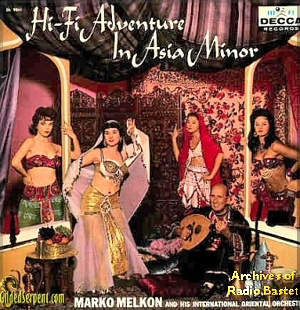
Here’s one thing that is very frustrating:  finding out that you have two or three copies of the exact same record, released on different labels, with different artists names, different track names and arrangements, and different covers! 

A lot of these albums were released as budget titles, and not a lot of care was taken in the accuracy department. (Let’s put it that way.)  Of course, there is the always-maddening dilemma of getting a record with nothing but Arabic or Greek writing on it, and not reading either one myself, not having a clue as to what anything says.  Yikes!

Legal-wise, I will admit that I’m wandering around in a gray area.  A lot of the older, more low-budget records, and many of the older foreign releases, have drifted into the public domain, so there are no worries there.  However, many of the albums by more established artists such as Eddie “The Sheik” Kochak, George Abdo, and others, on major record labels like Monitor, are being re-issued on CD and places like iTunes.  I am wary of stepping on any toes in that department.  I try to avoid any major complications by presenting only one track per artist per program.  I may yet be flirting with disaster, but the RIAA hasn’t come pounding on my door–at least, not as of this writing!

You are like a Belly dance album historian!  What’s the cheesiest, silliest music you’ve come across?  What’s the most accessible?

I giggle uncontrollably at the Belly dance/disco hybrids that came along in the late ‘70s through the early ‘80s.  I’m thinking in particular of “Diskomatik Katibim” by Osman Ismen (which I haven’t actually played on the show yet, but it’s coming!) and “Arabian Affair” by Abdul Hassan.  Syrupy synthesized strings and doumbeks make strange bedfellows!  This music is so cheesy it will harden your arteries and raise your cholesterol, but I love it!

I was really surprised when I finally heard Mohammed El-Bakkar’s albums!  This is wonderful stuff!  It’s good, solid dance music, so thick you could cut it with a knife.  What I love about his records is that you can hear what a ripping-good time he’s having.  (He’s always laughing and shouting.)  Far too soon, in 1959 (the year I was born) he passed away.  We need more musicians like him around!

What’s the cheesiest, silliest album cover you’ve come across?  What’s the most accessible (in terms of costumes you’d actually wear)?  

I once received an email from Margrecia, the cover model of "Belly Dance A-Go-Go".  She still teaches Belly dance and makes all her own costumes!


Hi Fi Adverture in Asia Minor from the archives of Radio BastetI will list the covers as I think of them:

  • Eddie Mekjian, "Belly Dance Music" – another of Margrecia from the same shoot as "Belly Dance A-Go-Go".
  • Someone told me that the cover model of "In an Egyptian Garden" (ironically named as all the music on the album is Turkish) is Maya, for whom the Maya hip movement was named. She looks like Ava Gardner, don’t you think?
  • The image on the Omar Khorshid album was used a lot, on several more of his albums and another artist’s as well.
  • John Berberian’s "Middle East Rock" was definitely  inspired by television’s Laugh-In!
  • Youseff Kassab, "Nadira Dances"  I love the sense of movement and play of light on this cover.
  •  Eddie Kochak’s, "Arrac-Laham, Mishwee & Thou" It looks great, but would anyone actually consider dancing in that bra shown on the cover?
  • Yousef Kouyoumjian’s, "Bagdad" This cover is the beautiful artwork by the late, great Leona Wood of then dancer, Jamila Salimpour.
  • Marko Melkon’s, "Hi-Fi Adventure" This cover is just nifty.
  • Rahbani Bros.’, "Belly Dance Fever" – OK, let’s face it: This has nothing to do with Belly dance.  This would receive my vote for cheesiest cover ever.
  • Gus Vali, "All Points East" is probably my favorite cover ever.  It’s just lush!
  • Gus Vali, "Belly Dancer"  Poor Gus got the best and the worst.  This one gets my vote for ugliest cover ever.  Ick!
  • Gus Vali, "Chimera"  is just one more plainly ugly cover.  Who signed off on these?
  • Yaffa Yarkoni, "Garden of Allah" is another of my major favorites.  I’m not crazy about the way they added the text, but the photograph is lovely.
  • Unknown artists, "Super Belly Dance" is another fave for me.  The color, composition and movement is beautiful.

Do you have any closing thoughts?

I want to give a loving, heart-felt “Thank you so much!” to all of the wonderful musicians, artists and dancers that we celebrate at Radio Bastet, who paved the way for so many of us.  We stand on your shoulders, and we honor you with love and gratitude.  Last, but definitely not least, I want to say, “Thank you very much,” to all of Radio Bastet’s wonderful listeners and fans!  I love hearing from you, and hearing how this music has impacted your lives.  That’s why I do what I do, and that’s what makes it all worthwhile. Yalla!

Resources

use the comment box

Have a comment? Use or comment section at the bottom of this page or Send us a letter!
Check the "Letters to the Editor" for other possible viewpoints!

Ready for more?

  • Fresh Old Sounds
    Seeking fresh sounds in belly dance music? Consider a trip back to the 1950s up to the groovy ‘70s when a new style of music was bringing the East to the West.
  • Seeking Sol Bloom
    Unbeknownst to Bloom, the troupe had a hired Algerian guide, “a giant Kablye,” who had lived in London and was able to chide Bloom sternly in an accent “normally heard in an English drawing room."
  • Rhythm and Reason Series, Article 12 Moved by the Music
    I did all this because those sudden shifts in rhythm and tempo and the abrupt breaks in the music that were unfamiliar to me could have made me look like a fool…
  • Becoming the Object of Your Own Fantasy, "Perfumes of Araby" in the 1970s, Part 1
    The Belly dance scene in 1970s Los Angeles: It is difficult to spotlight succinctly even one portion of a vibrant, vast and quickly growing community of Middle Eastern dancers, their enthusiasts, and the ethnic communities, musicians, festivals and supper clubs that supported the dance arts. The abundance of inspiration in that era was almost beyond understanding; yet once upon a time before the Internet, music, imagery and information was less readily available.
  • Becoming the Object of Your Own Fantasy, "Perfumes of Araby" in the 1970s, Part 2
    We are packed tightly shoulder to shoulder, impulsing to the dramatic beat with great solidarity: traditional hand gestures, chest drops, all very serious and trance like. This mood was broken however by a guy at the back of the 200 plus audience, who stood on his chair, raised his beer glass and shouted "The one in the yellooooow…." then actually fell completely backwards like a tree that had just been cut! I hope he was OK!
  • Becoming the Object of Your Own Fantasy, Diane Webber and the Perfumes of Araby in the 1970s, Part 3:
    In an almost archetypal will to power, Diane encouraged us to utilize our costuming – and our dance – as a way to search out and expand our own unique spirit, fantasy and physique, something I try to continue with my students today: become the object of your own fantasy.
  • We Will Rak You! My Dance Experience with Queen
    I’ll admit I wasn’t too familiar with the music of the British rock group Queen. The year was 1977, the month of December, in Los Angeles. I was invited to perform at a dinner party where Queen, in Los Angeles for several concerts, was the guest of honor. The job came to me through Dianne Webber.
  • Ballet-ification of Belly Dance
    When did Ballet become a requisite for Belly dance, and why is it stated that it should be an essential part of a Belly dancer’s daily regimen?
  • Sirat Al-Ghawazi, Ghawazi Research, Part 10: 1977, Nawary Gypsy Background of the Mazin Ghawazi
    "They came to the aforesaid Shah and asked him for dwellings in his country … the greater portion he placed in Mazandaran as a check to the pride of the Uzbak, Turkmans, Umid, and the nomad Tatars, who are always starting raids, and acting as highwaymen."
  • Europe- Helm Musical Adventures, Part 3
    Last winter my husband, Mark Bell, and I were hosted in Paris and Slovenia to teach Middle Eastern rhythms and present Tribal Belly Dance with live music. The following are photos from our adventures.
  • Why I Went to Camp This Summer, A Report of Bahaia’s 2010 Camparet
    Before much time had elapsed, I found myself dancing while bound mid thigh with a hot pink velvet stretchy band and a drinking straw inserted between my teeth. Crazy? Yeah, like a small red fox.
  • An Opposing View, So uth Africa’s Dance Community Thrives
    Nonetheless, we are still a closely-knit group–with, perhaps, a handful of people who have decided to set themselves aside from the mainstream of our community. Unfortunately, we find that those are the same dancers who are giving their opinions and critiquing the rest of the community and its dancers.
  • Belly Dance Costuming Evolves, Photos and Commentary from a Rising Star of Costume Design
    Video interview with author. "Because our colorful dance form is still living, changing, and evolving day-by-day, the costume designers will inspire us endlessly. This movement is a never-ending energy flow full of elegance and ferocity, sensuality and femininity. I hope that I will be a part of this wonderful Oriental dance life for a long time."
  • A Month in Cairo, Egypt, Report No. 2: Housekeeping, Internet, Costume Shopping, Reconnecting with More Friends
    When I think of my first trip here in 1977, I can see what amazing changes have occurred since then – most of them for the better.